
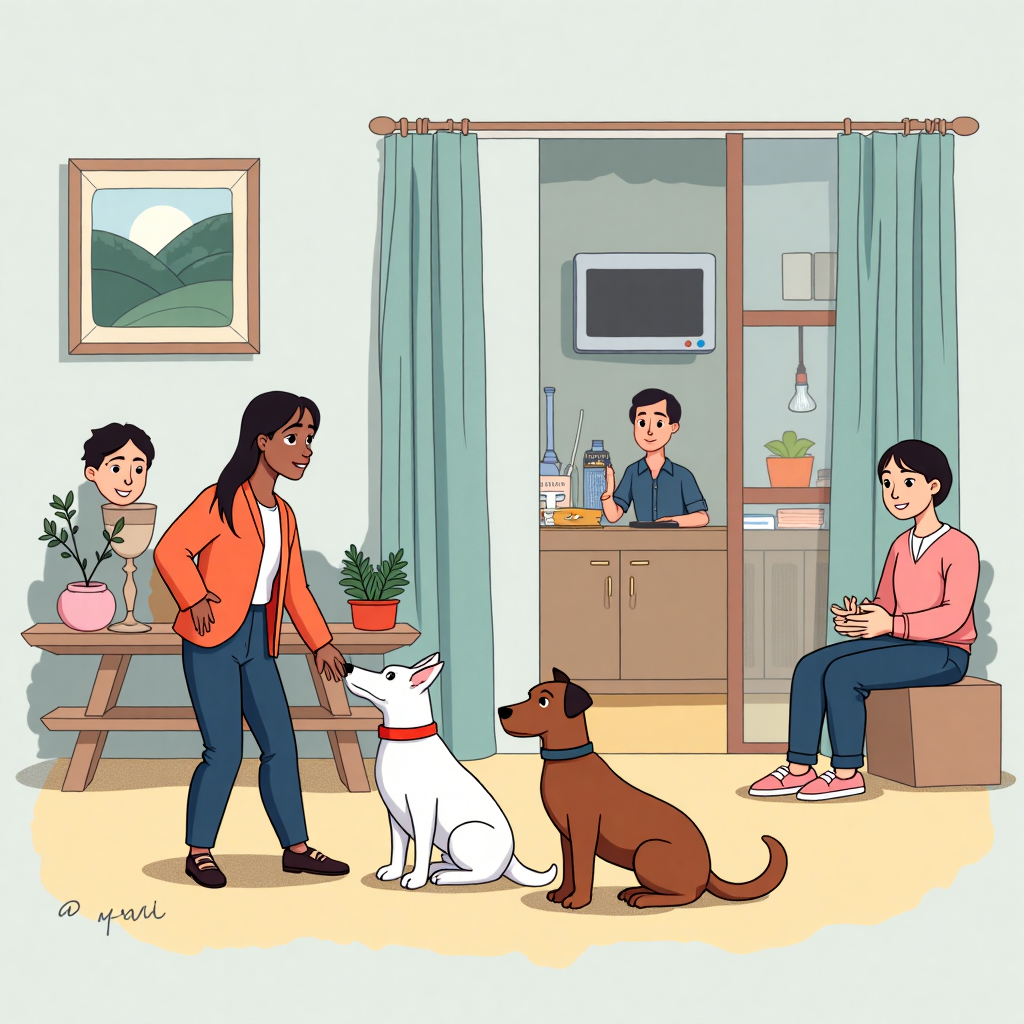
Searching for “adopt a pet near me” is often the first step in one of the most rewarding journeys a person can take. Whether you are looking for a playful puppy, a calm senior cat, or a small animal with a big personality, your local shelters and rescue groups are filled with wonderful animals waiting for a second chance. Adopting locally is not just about convenience; it is about building a connection with your community and giving a homeless pet the opportunity to live a safe, happy, and loved life. This guide will walk you through everything you need to know about finding, choosing, and welcoming a new pet into your home.
When you choose to adopt a pet near you, you are making a decision that impacts more than just your household. You are helping to reduce the number of animals entering shelters, supporting the dedicated people who care for them, and making space for another animal in need. The process can feel overwhelming at first, but with the right preparation and mindset, it becomes an exciting and deeply fulfilling experience. From understanding the benefits of local adoption to navigating applications and home introductions, this article covers every step.
Many prospective pet owners begin their search online with the phrase “adopt a pet near me” because proximity matters. Meeting a pet in person before committing is essential for building trust and understanding compatibility. Local adoption also means you can access follow-up resources, veterinary recommendations, training support, and even return policies more easily. Whether you are a first-time adopter or an experienced pet parent, the information below will help you make a confident and compassionate choice.
Why Searching for “Adopt a Pet Near Me” Is the Smartest First Step
The phrase “adopt a pet near me” is more than a convenient search term. It reflects a practical approach to pet adoption that prioritizes the animal’s well-being and your lifestyle. When you adopt locally, you can visit the shelter or rescue group multiple times before making a decision. This allows you to observe the pet’s behavior in different situations, ask staff detailed questions, and even bring family members or other pets for a meet and greet. Long-distance adoptions can work, but they often involve more uncertainty, higher transportation costs, and limited opportunities for in-person bonding.
Local adoption also gives you access to a network of support that can make the transition smoother. Shelters and rescues want their animals to succeed in their new homes. Because of this, many offer post-adoption counseling, training advice, and medical records. If you encounter a challenge during the first few weeks, you can reach out to the organization for guidance. This support is especially valuable for first-time pet owners who may have questions about feeding, house training, or behavior.
The benefits of adopting a pet near you extend beyond your own household. Local shelters are often at or over capacity, especially during certain times of the year such as spring and summer when kitten and puppy seasons peak. By adopting close to home, you free up resources for the shelter to rescue more animals. You also reduce the environmental impact associated with transporting animals over long distances. In short, searching for “adopt a pet near me” is a choice that is good for you, good for the animal, and good for your community.
The Benefits of Adopting Locally
You Can Visit and Bond Before Committing
One of the greatest advantages of local adoption is the ability to visit the pet in person. Photographs and online profiles can give you an idea of an animal’s appearance, but they rarely capture the full personality. A calm-looking dog in a photo may be full of energy in real life. A shy cat may open up after a few quiet moments in a visitation room. Visiting allows you to see how the pet responds to you, your voice, and your touch. It also gives you the chance to ask shelter staff about the pet’s daily routine, likes, and dislikes.
Multiple visits can be especially helpful if you have children or other pets. Many shelters encourage families to bring everyone who will live with the animal to the meet and greet. This helps ensure that the new pet is comfortable with all members of the household. Some organizations even allow a trial foster period, which lets you take the pet home for a short time before finalizing the adoption. This is a great way to test compatibility in a real home environment.
Easier Follow-Up Support and Resources
When you adopt from a local shelter or rescue, help is never far away. If your new dog develops separation anxiety or your new cat stops using the litter box, you can call the shelter for advice. Many organizations have trainers or behavior specialists on staff or work with local professionals who offer discounted services to adopters. This immediate access to support can prevent small problems from becoming big ones and can help you feel more confident as a pet parent.
Local adoption also simplifies medical follow-up. If the pet has received vaccinations, microchipping, or spay or neuter surgery through the shelter, those records are easy to access. If there is a post-adoption health concern, you can often return to the same veterinary partners used by the shelter. This continuity of care is beneficial for the pet and can save you time and money.
Reduced Travel Stress for the Pet
Travel is stressful for most animals. A long car ride or flight can be frightening and physically demanding, especially for older pets or those with health conditions. When you adopt a pet near you, the journey home is shorter, which means less anxiety for your new companion. A shorter trip also gives you more time on adoption day to focus on settling the pet into your home rather than managing travel logistics.
Reduced travel stress is particularly important for shy or fearful animals. A local adoption allows them to transition from the shelter to your home in a matter of minutes rather than hours or days. This can make the first night less overwhelming and help the pet feel safe more quickly. For pets who have experienced trauma or instability, minimizing additional stress is one of the kindest things you can do.
How to Search for “Adopt a Pet Near Me” Effectively
The internet has made it easier than ever to find adoptable pets in your area. A simple search for “adopt a pet near me” will likely return a list of local shelters, rescue groups, and online directories. However, to get the best results, you should use a combination of online tools and offline outreach. Start with reputable platforms such as Petfinder, Adopt-a-Pet, and the websites of your local humane society or animal control facility. These sites allow you to filter by species, breed, age, size, and special needs.
Social media is another powerful tool. Many shelters and rescues maintain active Facebook and Instagram pages where they post new arrivals, success stories, and upcoming adoption events. Following these pages can give you early access to pets before they are listed on larger directories. You can also join local pet adoption groups where members share listings and recommendations. Word of mouth remains valuable, so tell friends, family, and coworkers that you are looking to adopt.
When searching online, keep your options open. You may have a specific breed or age in mind, but being flexible can lead you to an amazing companion you might have otherwise overlooked. Use the keyword “adopt a pet near me” as a starting point, then refine your search based on the qualities that matter most to you, such as energy level, temperament, or compatibility with children. Remember that many shelter pets are mixed breeds with unique combinations of traits, and that variety can be a wonderful thing.
Types of Pets You Can Adopt Near You
Dogs and Puppies
Dogs are among the most popular pets to adopt, and local shelters are full of them. From energetic puppies to calm seniors, there is a dog for nearly every lifestyle. Puppies are adorable but require significant time, patience, and training. Adult dogs often come with some basic manners already established and can be a better fit for busy individuals or families with young children. Senior dogs are frequently overlooked, yet they often make wonderfully gentle and grateful companions.
When you adopt a dog locally, you can learn about its behavior in the shelter environment, but keep in mind that shelter behavior is not always a perfect predictor of home behavior. Many dogs are stressed or overwhelmed in a kennel setting. Give them time to decompress after adoption. With consistent routine, positive reinforcement, and love, most dogs adjust beautifully to their new homes.
Cats and Kittens
Cats are adaptable and independent, making them excellent companions for apartments, houses, and busy households alike. Local shelters often have a wide variety of cats, from playful kittens to dignified older cats. Kittens are full of energy and curiosity, while adult cats typically have established personalities that make it easier to know what you are getting. Senior cats are especially in need of adoption and can form deep bonds with their new families.
When adopting a cat, consider your home environment. Some cats thrive in active households with children and other pets, while others prefer a quiet, calm setting. Shelters often have detailed notes about each cat’s temperament, socialization history, and preferences. Ask staff which cats are most likely to fit your lifestyle, and be open to cats of all ages and appearances.
Small Animals, Birds, and Reptiles
Many people forget that local shelters also have rabbits, guinea pigs, hamsters, birds, reptiles, and other small animals looking for homes. These pets can be ideal for families who may not have the space or time for a dog or cat, though they still require proper care, enrichment, and veterinary attention. Rabbits, for example, are intelligent and social animals that need daily interaction and a safe, spacious enclosure.
If you are interested in a small animal, bird, or reptile, search for “adopt a pet near me” and filter by species. Local rescues often specialize in these animals and can provide valuable education about their care. Adopting a small animal from a rescue is a compassionate choice that helps reduce the demand for breeding and pet store sales.
Preparing for Your Search: What to Consider Before You Adopt
Before you begin actively searching for a pet, take some time to evaluate your lifestyle and expectations. This honest self-assessment will help you choose an animal that fits your home and will reduce the likelihood of a difficult adjustment. Consider your daily schedule, activity level, living space, budget, and long-term plans. A pet is a commitment that can last many years, so these factors matter.
- Lifestyle and schedule: How much time do you have for exercise, training, grooming, and companionship each day?
- Living space: Do you live in an apartment, a house, or a shared home? Is there a yard or nearby park?
- Budget: Can you afford food, supplies, routine veterinary care, and unexpected medical expenses?
- Family members: Do you have children, seniors, or other pets who will interact with the new animal?
- Long-term commitment: Are you ready to care for this pet for the next 10 to 20 years, including through life changes?
Once you have a clear picture of what you can offer, communicate those needs to shelter staff. They can help match you with pets whose personalities and needs align with your situation. Being upfront about your limitations is not a sign of weakness; it is a sign of responsibility. A good match benefits everyone, especially the animal.
The Local Adoption Process Step by Step
1. Research and Shortlist Shelters
Begin by identifying reputable shelters and rescue groups in your area. Look for organizations with transparent practices, clean facilities, and positive reviews. Visit their websites, read about their adoption policies, and browse available pets. Make a shortlist of pets you are interested in, but keep an open mind. Some animals may already have pending applications or may not be a good fit after a meeting.
2. Submit an Application
Most shelters require an adoption application. This form asks about your living situation, experience with pets, schedule, and plans for care. Answer honestly. The purpose of the application is not to judge you but to ensure a safe and suitable match. Some organizations may ask for references or proof of landlord approval if you rent.
3. Meet and Greet
Once your application is approved, you will be invited to meet the pet. This may take place at the shelter or in a designated visitation room. Bring all household members, including any resident dogs, if required. Use this time to observe the pet’s behavior and ask questions. Do not expect an instant bond; some pets need time to warm up.
4. Home Check or Interview
Some rescues conduct a home visit or a video interview to ensure your home is safe and suitable. This is more common with private rescue groups than with municipal shelters. They may check for secure fencing, hazardous materials, or adequate space. Treat this as an opportunity to learn how to prepare your home for your new pet.
5. Pay the Adoption Fee and Sign the Contract
Adoption fees vary by organization and species but generally range from $50 to $300 or more for dogs and cats. This fee often covers vaccinations, spay or neuter surgery, microchipping, and other initial medical care. You will sign a contract agreeing to provide proper care and, in some cases, to return the pet to the organization if you can no longer care for it.
6. Bring Your New Pet Home
After the paperwork is complete, it is time to bring your new companion home. Have a carrier for cats and small animals and a secure leash and collar for dogs. Keep the car ride calm and quiet. Once home, give the pet time to explore at their own pace. Avoid overwhelming them with visitors or loud celebrations during the first few days.
Questions to Ask Before Finalizing Your Adoption
Asking the right questions can help you make an informed decision and set your new pet up for success. Shelter staff and foster families are valuable sources of information. Do not hesitate to ask about anything that concerns you. Here are some important questions to bring to your meet and greet:
- What is the pet’s history? Ask about where the pet came from, how long they have been at the shelter, and any known background information.
- Are there known medical or behavioral issues? Find out about any ongoing conditions, medications, or behavioral concerns such as food guarding or fearfulness.
- What vaccinations or treatments have been completed? Confirm which vaccines, deworming, flea treatments, and spay or neuter procedures are already done.
- How does the pet interact with children, other pets, and strangers? This is especially important if you have a busy household or frequent visitors.
- What food and routine is the pet currently on? Keeping the same diet and schedule initially can reduce digestive upset and stress.
- Is there a trial or return policy? Understand what happens if the adoption does not work out. Many organizations require the pet be returned to them rather than rehomed privately.
Common Mistakes to Avoid When You Adopt a Pet Near Me
Even with the best intentions, adopters sometimes make mistakes that create unnecessary challenges. Being aware of these pitfalls can help you avoid them and create a smoother transition for your new pet.
- Choosing based on looks alone: A pet’s appearance is only one small part of who they are. Focus on temperament, energy level, and compatibility with your lifestyle.
- Skipping the meet and greet: Always meet the pet in person before committing, if possible. This is one of the main advantages of searching “adopt a pet near me.”
- Ignoring long-term costs: Food, grooming, veterinary care, pet sitting, and supplies add up. Make sure your budget can accommodate a pet for years to come.
- Not pet-proofing your home: Remove toxic plants, secure trash cans, hide electrical cords, and block off unsafe areas before your pet arrives.
- Rushing the decision: It is okay to take your time. A pet is a lifelong commitment, and the right match is worth waiting for.
Bringing Your New Pet Home: The First Week
The first week after adoption is a critical period for building trust and establishing a routine. Your new pet may feel confused, anxious, or excited. Some animals settle in quickly, while others need days or even weeks to feel safe. Patience and consistency are your best tools during this time. Set up a quiet area with a comfortable bed, food, water, and a litter box for cats or pee pads for dogs. Allow the pet to retreat to this space whenever they feel overwhelmed.
Introduce your new pet to the rest of the home gradually. For dogs, start with short, supervised walks and avoid crowded areas until they are comfortable on a leash. For cats, begin with one room and slowly expand their access as they gain confidence. If you have other pets, introduce them slowly and under controlled circumstances. Do not force interactions; let them happen naturally over time.
Schedule a veterinary checkup within the first week, even if the shelter has already provided medical care. This establishes a baseline for your pet’s health and gives you a chance to ask questions about nutrition, parasite prevention, and vaccinations. Keep the first week calm and predictable. Avoid large gatherings, new pets, or major changes. With patience and love, your new companion will begin to feel like part of the family.
Supporting Your Local Shelter After Adoption
Adopting a pet is a wonderful act, but you can continue to support your local shelter in many ways. Shelters rely on community involvement to continue their life-saving work. If you had a positive adoption experience, share it with others. Post a photo of your new pet on social media, leave a review, or tell friends and family about the process. Your story could inspire someone else to search “adopt a pet near me” and find their own companion.
Financial donations are always appreciated, but shelters also need supplies such as blankets, towels, food, toys, and cleaning products. Volunteering your time is another powerful way to help. Walking dogs, socializing cats, or assisting with adoption events can make a real difference. If you are not ready to adopt again, consider fostering. Foster homes provide temporary care for pets who need a break from the shelter environment or who are too young to be adopted. Every act of support helps create a more humane community.
Conclusion
Searching for “adopt a pet near me” is the beginning of a life-changing journey for both you and an animal in need. Local adoption offers unmatched benefits, including the ability to meet pets in person, access ongoing support, and reduce travel stress. By preparing thoughtfully, asking the right questions, and moving through the process with patience, you can find a companion who fits your home and heart. Remember that adoption is not about finding a perfect pet, but about building a relationship with an animal who will bring joy, comfort, and unconditional love for years to come.
Your local shelter is filled with animals waiting for someone just like you. Whether you choose a playful puppy, a gentle senior cat, or a curious rabbit, your decision to adopt will change a life. Start your search today, keep an open mind, and trust that the right pet is waiting near you. When you adopt a pet close to home, you gain more than a companion; you gain a connection to your community and the knowledge that you have made a meaningful difference.
