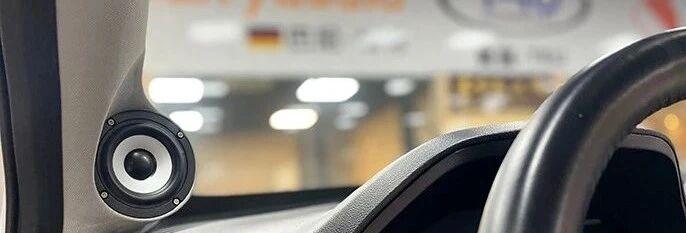
Three or two-way? A car enthusiast’s true mind and final choice, a review of the entire process
The most fundamental and significant change in the final sound quality and overall style of a car audio system usually comes from the combination of front-end speaker units. Wherein,The difference between the three-way system and the two-way system is almost the embodiment of two completely different sound aesthetics and engineering philosophies。 Even under the same frequency band architecture, there are style differences between different brands, but the clarity of the differences is often far less than the fundamental distinction between two-way frequency and three-way frequency. Here, I would like to rely on the experience and cognition accumulated in many years of front-line modification practice to share it frankly with all riders, and provide you with a practical template with reference value through the specific modification case of this Chery Tiggo VII.
First of all, let’s objectively analyze the three-way frequency system highly respected by some riders: its sound characteristics, advantages and potential challenges.
The three-way system, as the name implies, is a coordinated sound-producing whole composed of three loudspeaker units with different responsibilities and calibers: treble, midrange and midbass. A standard three-way package contains six independent units, which are usually installed in the front soundstage of the vehicle.
There is often an almost “politically correct” propaganda rhetoric about three-way frequency in the industry, such as: “A heavy task is made easy and efficient by dividing the labor and collaborating between multiple people…” The subtext is: a complex audio signal is composed of Multiple speaker units perform their duties and are responsible in sections, thus improving the work efficiency of each unit. This analogy seems true in physical logic, butThe ultimate goal we pursue is not how to make the speaker “work easier”, but how to make the sound that finally enters our ears “become more real and beautiful”。 From the perspective of high-order acoustic restoration, the situation may be just the opposite: a complete piece of music is like an organic living body. Imagine, which way can better ensure the absolute unity of timbre, emotion and rhythm, whether a melody is completely interpreted by one person, or splitting it into three parts and singing it by three people? Although multi-person collaboration can share the pressure, it will inevitably introduce variables that are difficult to completely eliminate:Transient differences in sound generation of different units, subtle deviations in phase connection, and difficulty in audio-image fusion caused by different installation positions。 This makes the three-way frequency system put forward extremely high requirements for the tuner’s technical skills, artistic perception and even talent. If the level of the digital audio processor (DSP) supporting the system and the audio source host is not high enough to perform millimeter-level precision correction, then blindly launching three-way frequency will probably result in “wasting money and getting twice the result with half the effort”.
Of course, we must be fair to point out:A three-way system, which has been carefully matched, selected with high-level equipment and deeply debugged by experienced tuners, can create a full sound field, a rich atmosphere and a rich detail that is indeed difficult for two-way systems to completely match, that all-round “wrapping feeling” is enough to intoxicate the listener.
Next, we discuss the sound philosophy, unique charm and applicable boundaries of the two-way system.
Compared with the three-way system, the two-way system has a simplified structure and eliminates the need for an independent midrange unit. The main body of sound is mainly completed by the tweeter unit and the mid-bass unit, and most of the mid-frequency and low-frequency information is shouldered by the mid-bass unit with a larger caliber. This structure is very important forThe comprehensive performance (bandwidth, distortion, transient) of mid-bass unit puts forward extremely high requirements。 However, its advantages also stem from this “simplicity”: the simple structure of the system means that the phase relationship is easier to handle and the timbre consistency is higher. It is very close to the highly regarded “bookshelf box” design concept in the traditional Hi-Fi field. Under the two-way architecture, soundThe degree of restoration, the sharpness of the image, the smooth connection between frequency bands, and the cohesiveness of the focus of the audio and image often have innate advantages。 It is especially good at expressing the true texture of instruments, the sharp speed of drums, the impromptu rhythm of jazz, and the bright rhythm of popular vocals, which can provide a direct, clear, tense and long-term listening experience.
Customer background and final proposal establishment process
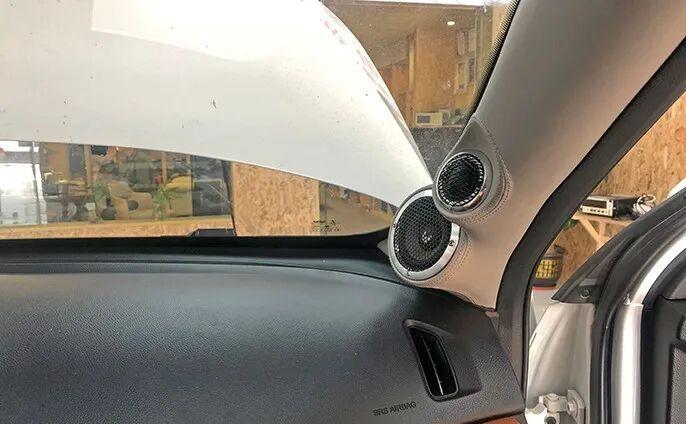
The car owner this time is a lover with deep emotions and independent taste in music. He mainly listens to popular songs and classic old songs every day. However, the existing sound system in his car, which has undergone several upgrades, has always been stuck in his throat, failing to achieve the “perfect” state he expected. The picture below shows the condition of the three-way frequency system previously modified by the owner.
Based on in-depth communication on the spot and on-site audition comparison of a variety of different styles of speakers, we finally recommended the following upgrade plan for customers: the front sound field was replaced withAiwei flagship two-way set, in pursuit of more accurate images and smooth listening experience; Audio processing core upgraded toBiwei DSP processor, providing a strong cornerstone for precise adjustment; Subwoofer selectionGerman 0.8-inch unit and making replenishment box, providing high-quality low-frequency supplements while saving space. As for wires and power amplifiers, make full use of the high-quality accessories left by the owner’s previous upgrades to make the best use of them.
Original three-way horn unit removed from the car.
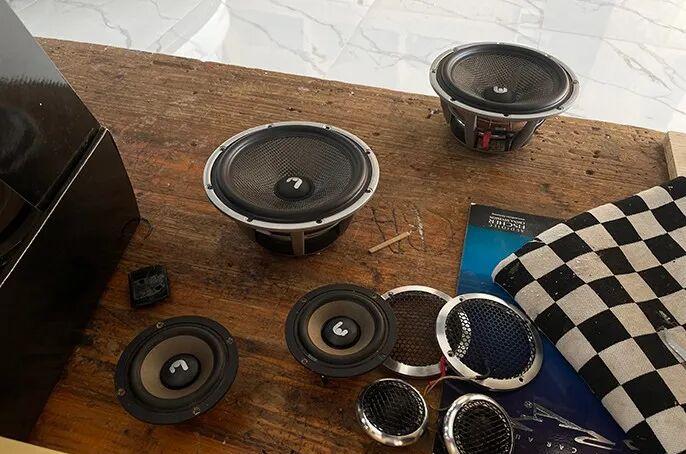
The core equipment of this upgrade: 0.8-inch bass, Biwei DSP, and Aiwei two-way set.

Full record of in-depth modification process details: starting with A-pillar acoustic positioning


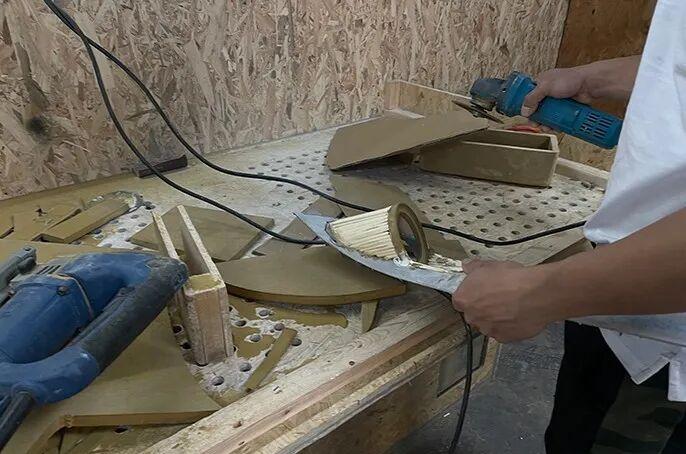
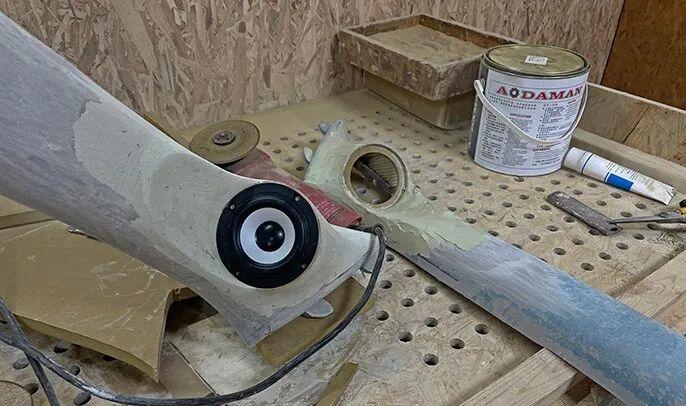
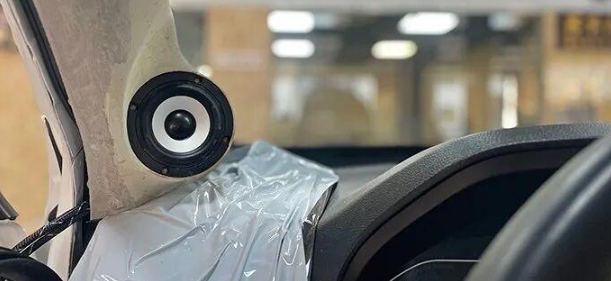
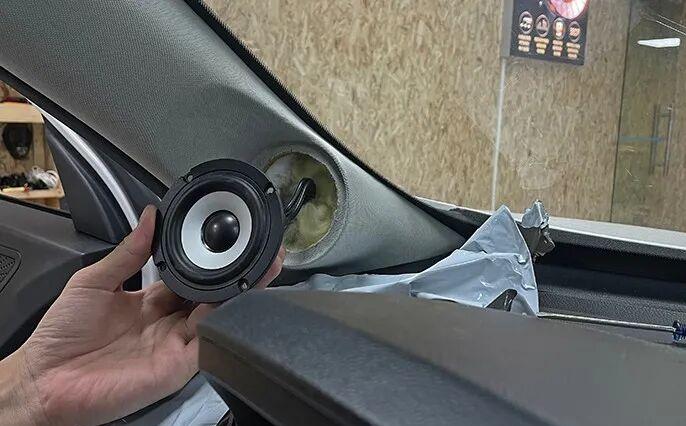
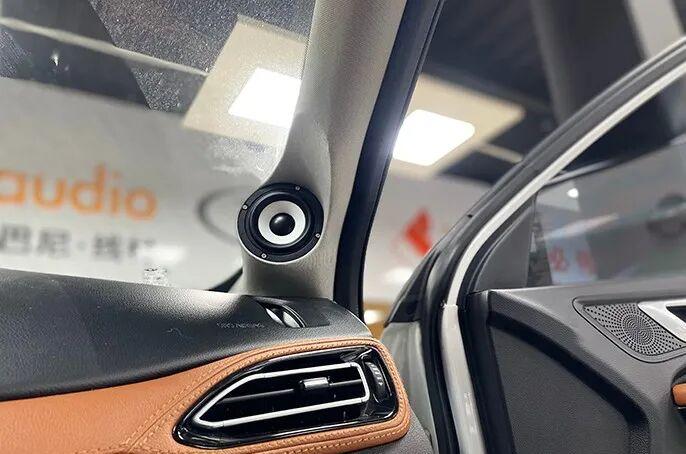
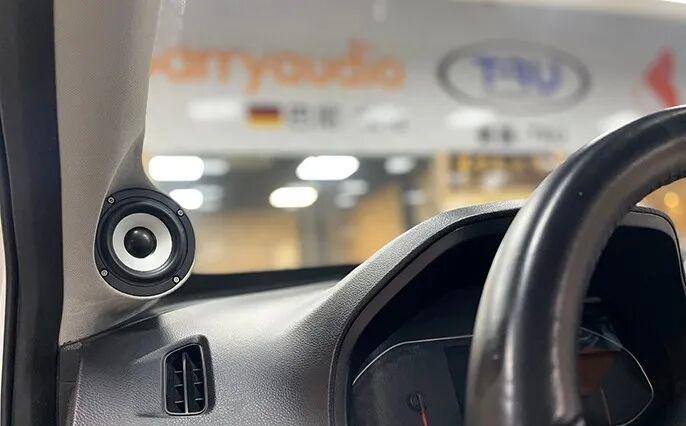
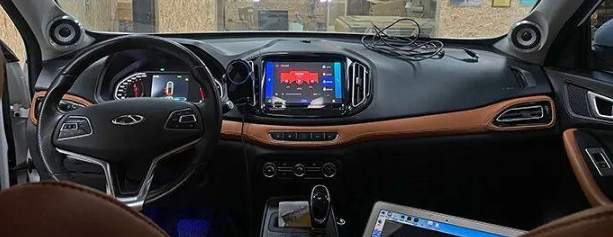
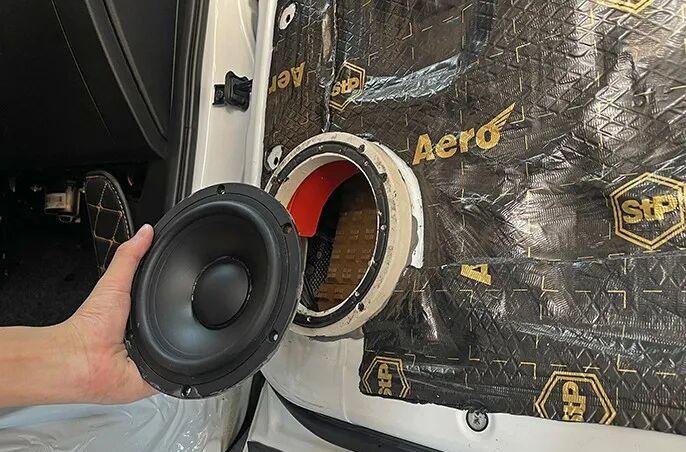
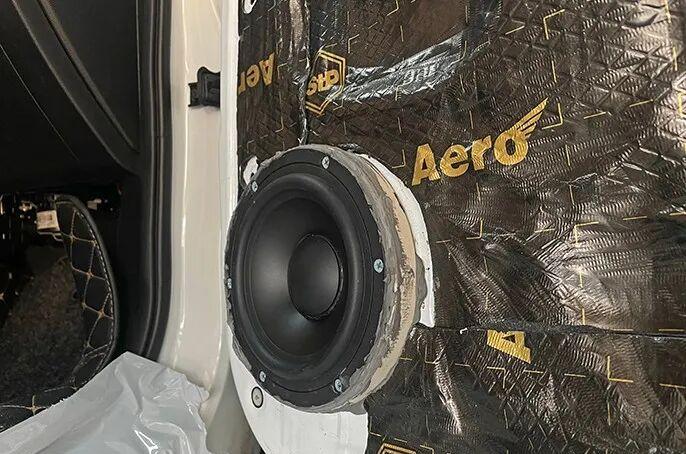
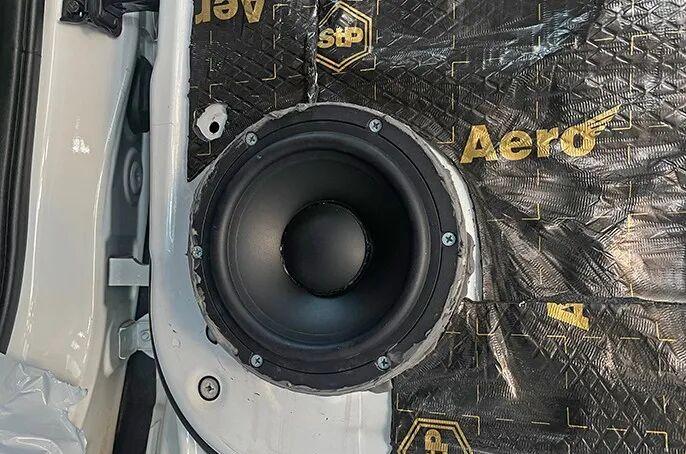
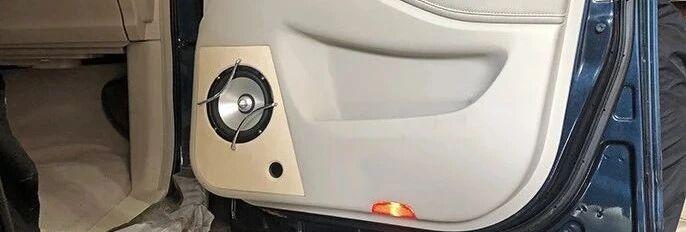
The door panel installation of Aiwei mid-woofer unit is live, paying attention to sealing and stability.
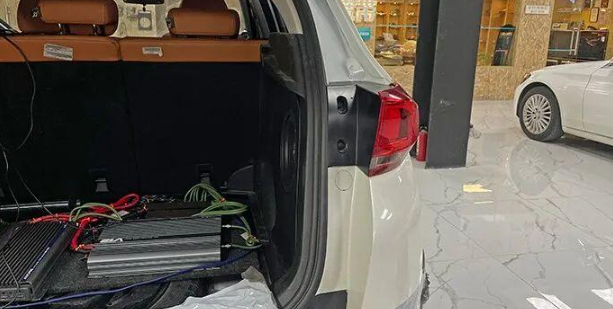
The 0.8-inch subwoofer complementary box is cleverly designed and installed in the recessed position on the side wall of the trunk.
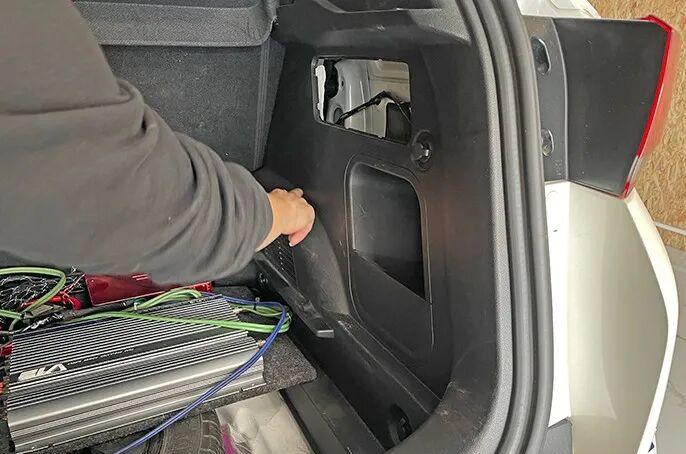
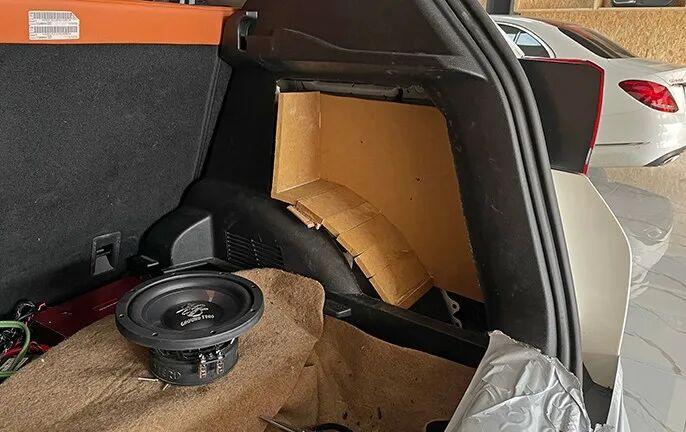
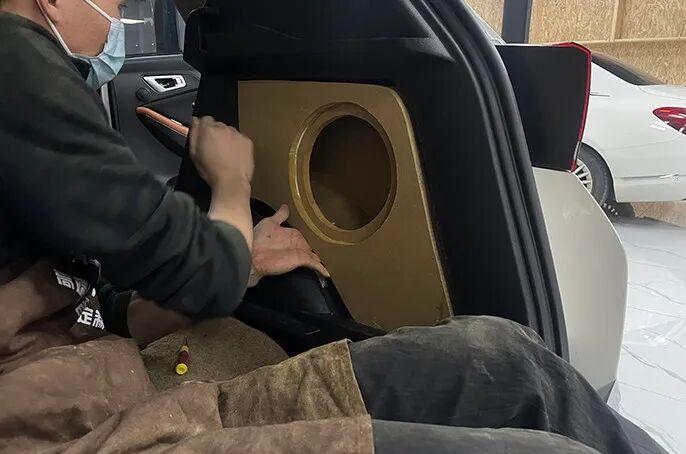
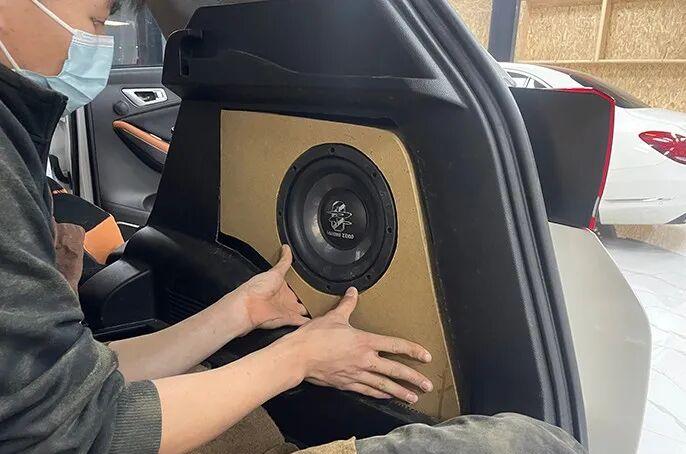
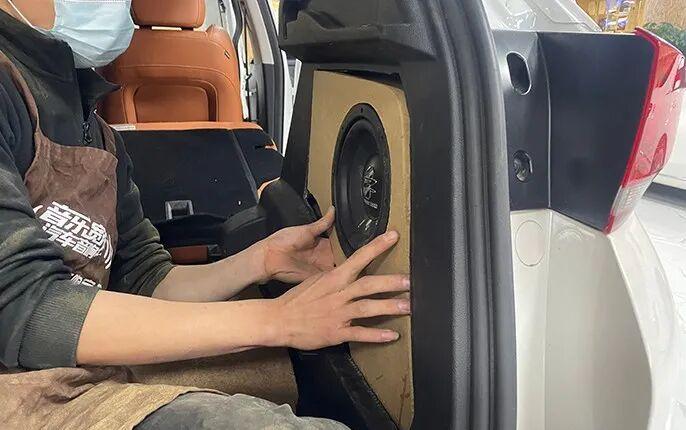
The final effect after the modification of the subwoofer cabinet is completed. ItPerfect use of idle space to achieve “zero occupancy” visual effectWhile ensuring the efficient exertion of low-frequency energy. Of course, the value of such a sophisticated customization process is also reflected in the corresponding modification cost, which can be described as no pain, no gain.
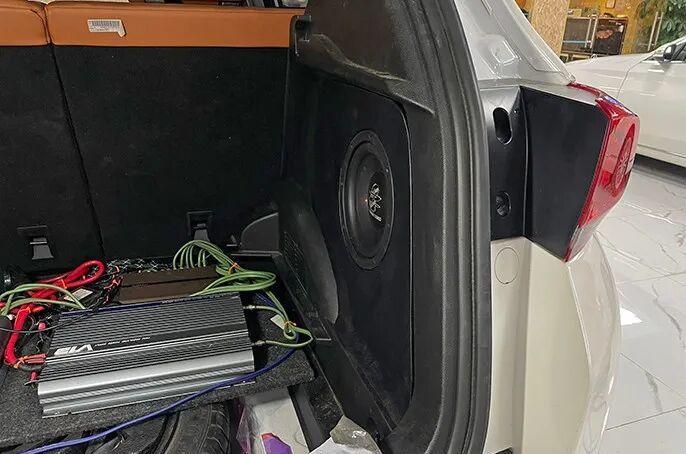
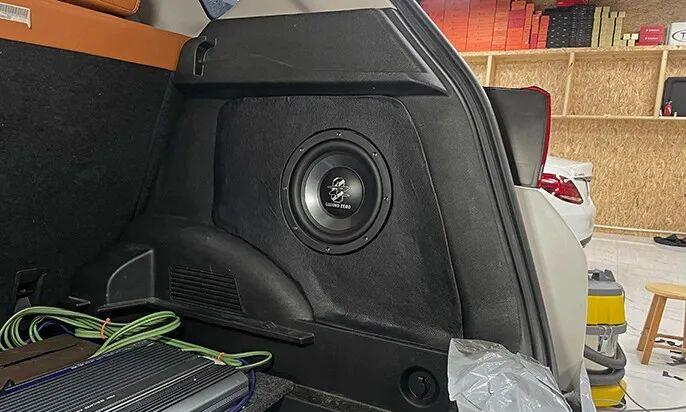
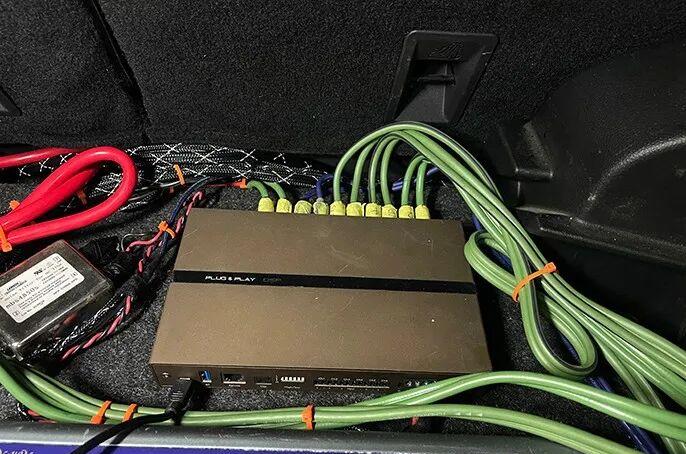
The Betway DSP audio processor mounting bit that acts as the “brain” of the system.
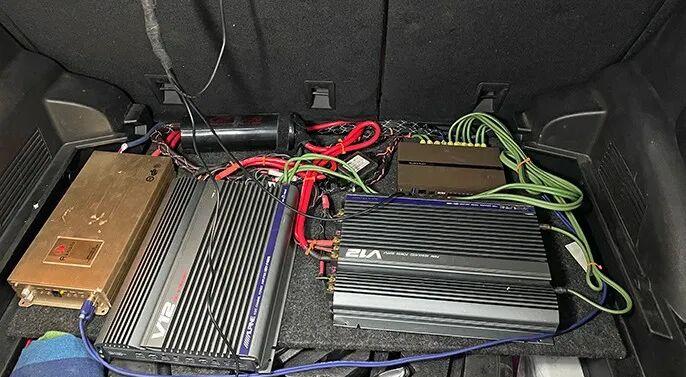
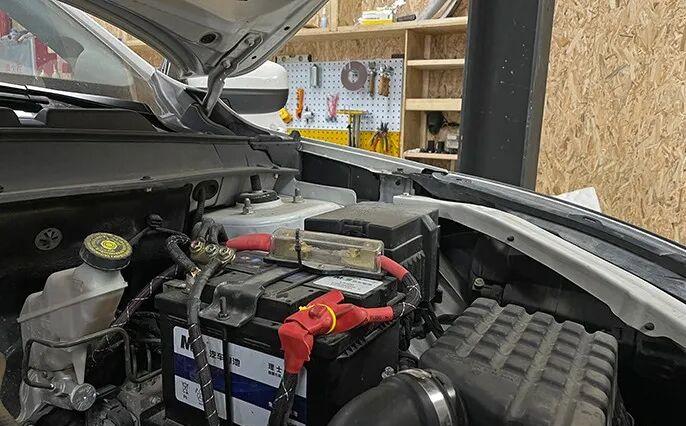
In order to ensure the electricity safety of the whole high-power system, the installation of professional power supply safety is essential.
When all the hardware is installed to the highest standard, the whole project enters the most critical and creative link-professional audio debugging. Our tuners are engrossed in giving this system a unified soul and moving emotion through instruments and listening.


You May Also Like
Biwei’s all-round unit makes a shocking debut, and one unit can easily control mid-mounted, surround and treble!
BMW 325 Li audio upgrade: Japan’s Biwei AM series three-way is equipped with an independent door mid-range cabinet, reshaping the mid-range acoustic characteristics