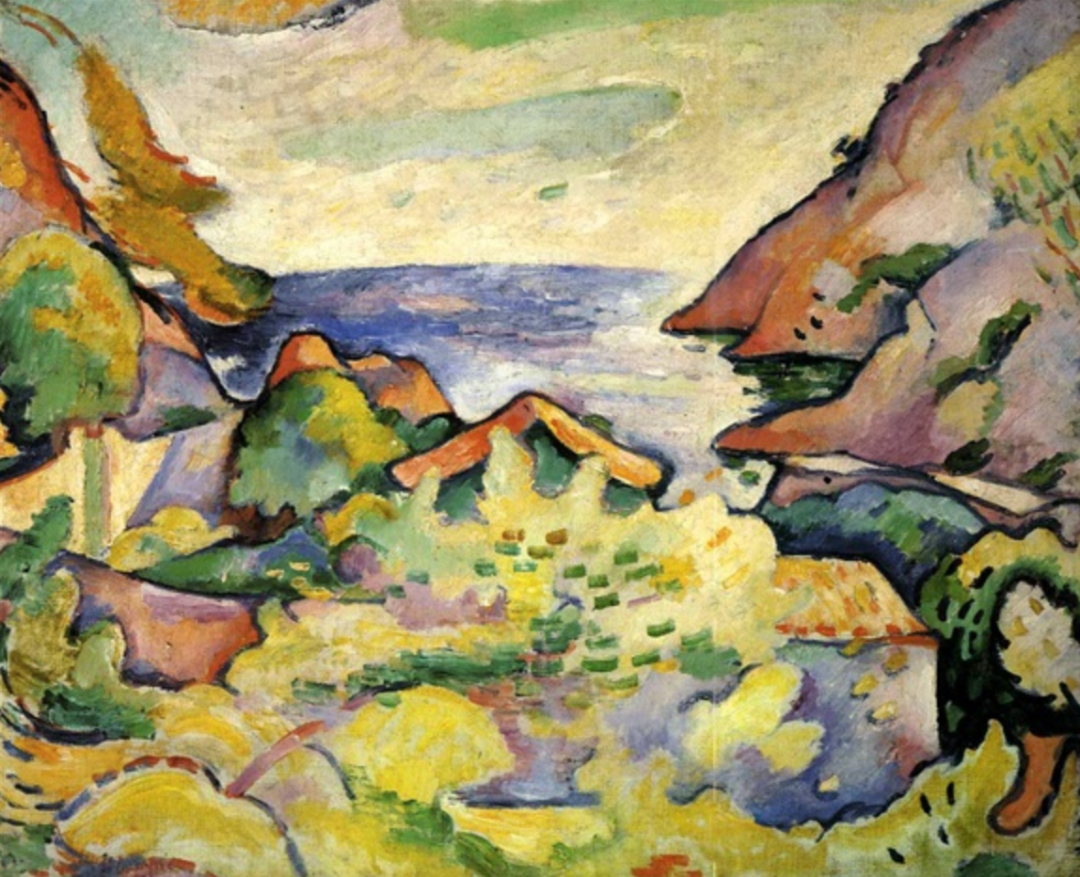
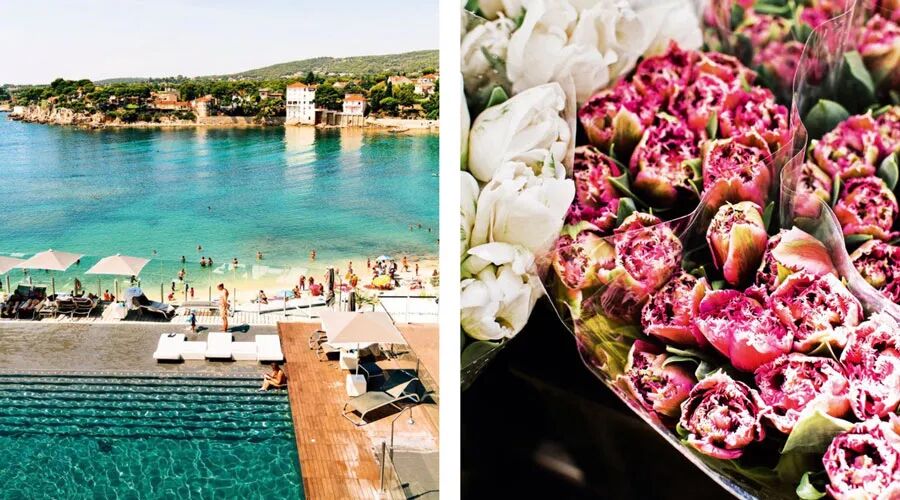
Rugged reefs surround the pebble beach, which is a favorite location for French movies. In 1907, the painter Georges Braque came here with a paintbrush to depict the rock walls dyed purple by sunlight, the milky sky and the blue sea. Today, French people are still picnicking under umbrellas on the beach, and the courage of teenagers to jump into the sea from the cliff stirs up waves and wets the skirt corners of girls.
La Ciotat (1907) Georges Braque
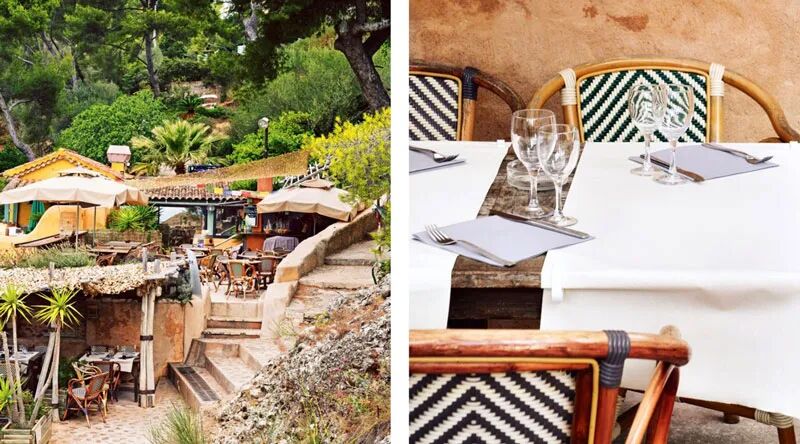
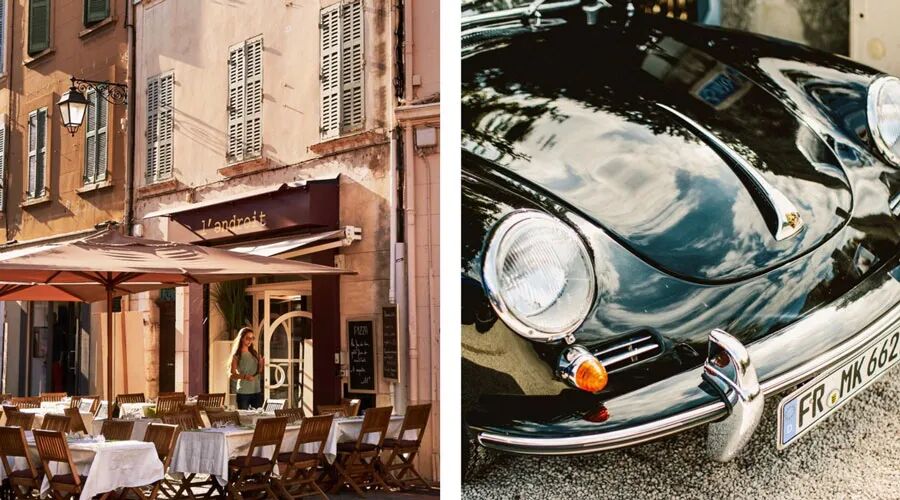
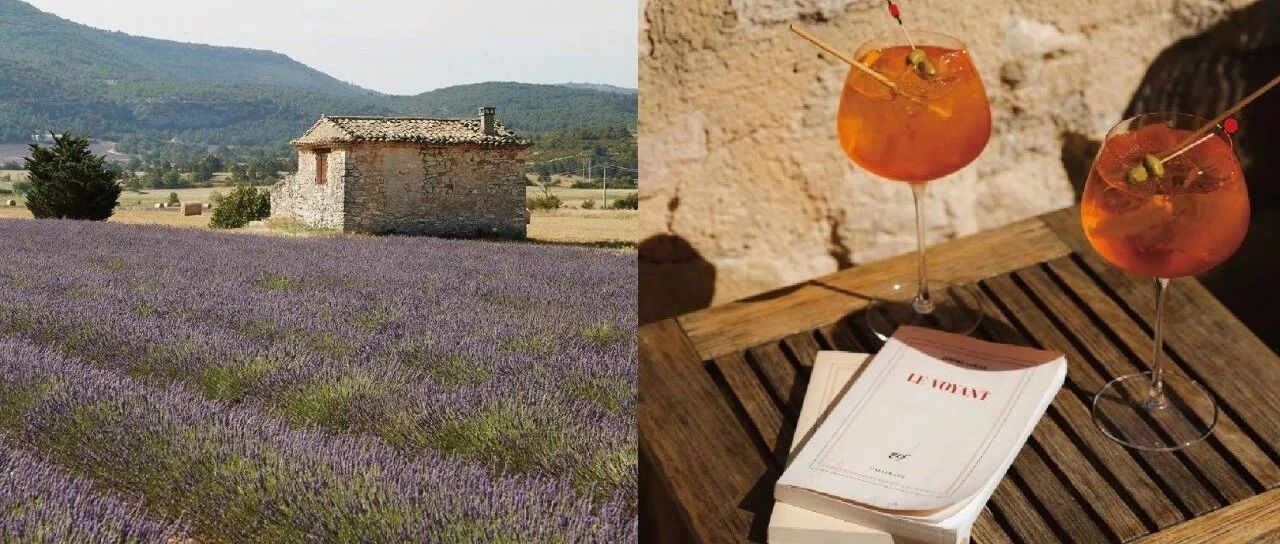
At dusk, people get up from the beach, walk to the restaurant and hotel behind them, and sip their pre-sunset aperitif on the wooden terrace. The waitress is setting up tables and chairs, which are dotted with antique objects and oriental folding fans, making people feel like they are in a foreign land. This restaurant has been passed down for three generations. The grandparents of the current owner moved to France during the Soviet era, opened this small restaurant in the 1960 s, and later expanded it with several rooms.
When it comes to Laciota, you can’t get around the Lumiere brothers. On September 21, 1895, the black-and-white silent film “The Sea” directed by them premiered here. At that time, crowned heads of state and celebrities stayed in Nice, Cannes or Hyères, which was regarded as the last frontier of the Cote d ‘Azur.
Today, compared with the flashy Cote d ‘Azur, Laciota is still quiet-there are no supermodels and Hollywood stars, and there are no luxury shops in the streets.
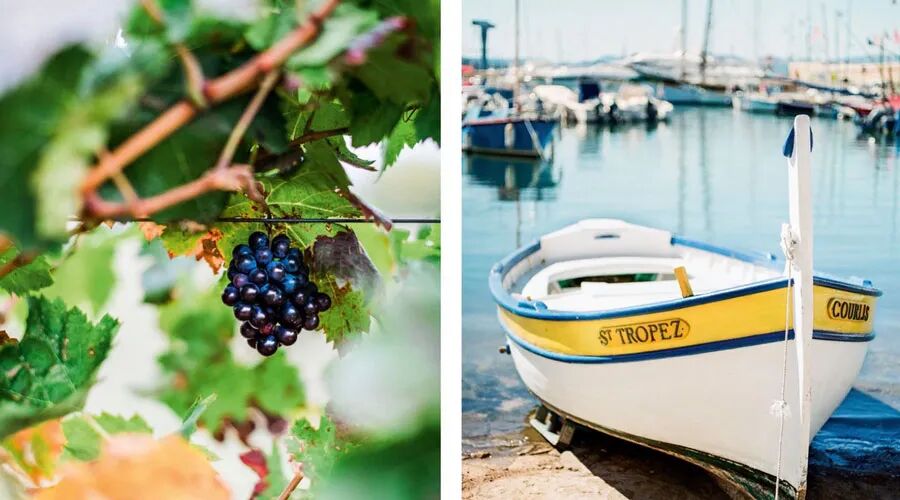
But La Ciota has its own charm: rosé wine and olives; Fragrant soap with hand-woven basket; Pottery and craftsman jewelry; Soft linen shirt with lightweight beach blouse. Nearly eighty vineyards on the hillside breed the top French wines. Sun-nourished blackcurrants, delicately tempered by the saltiness of the Mediterranean with the acidity of the chalky soil; Bondol’s Muhe White is rich in fruit fragrance, but it contains a deep foundation.
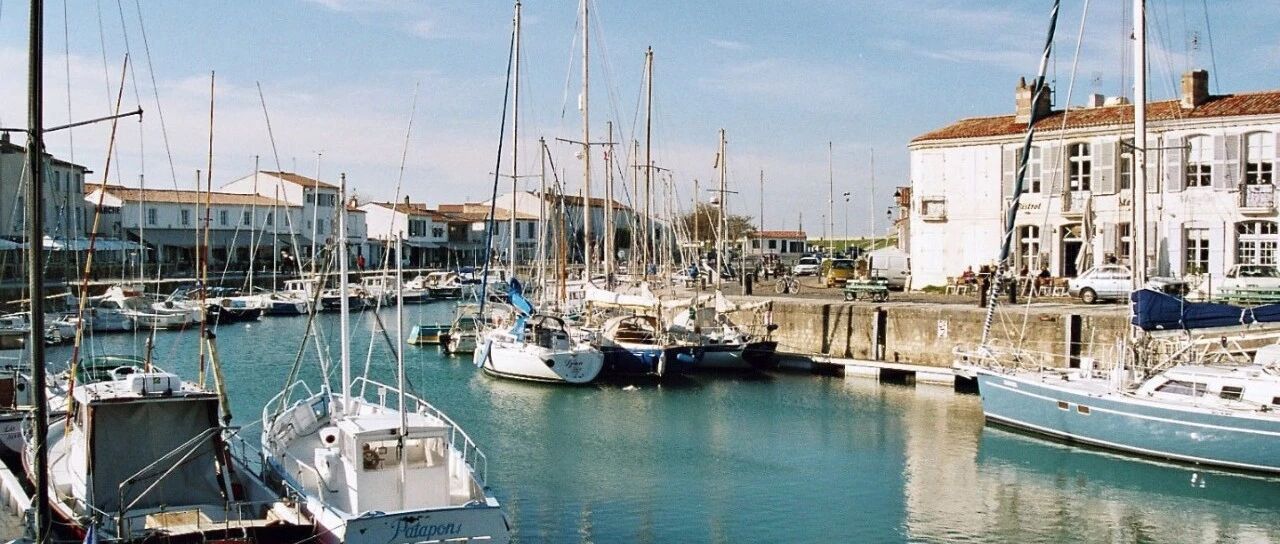
Although Laciota and Cassis are only half an hour’s drive, there are two Michelin restaurants with sea views. There are also many village restaurants, serving steaming Marseille fish soup and garlic bread slices. There are purple thorny sea urchins that have just landed at the fishing village wharf, accompanied by a glass of clear sparkling wine. The sea urchins are creamy and sweet, which can be called “ice cream in the ocean”.
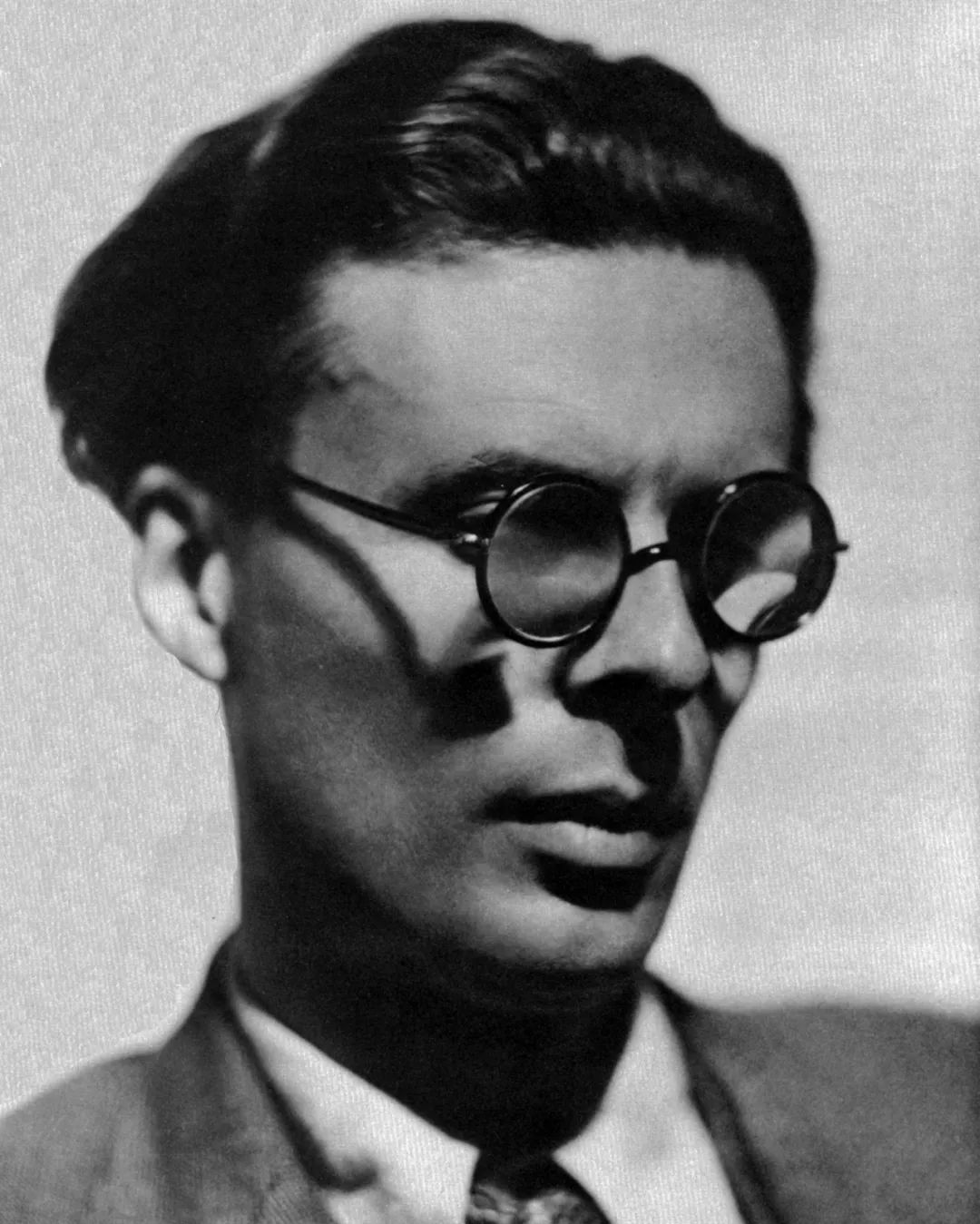
British writer Aldous Huxley and his wife Maria once lived here. Huxley, who was almost blind, wrote and painted on the hill for seven years, while Maria drove a red Bugatti to the market to buy and entertain friends in the garden. It was in this quiet pleasure that Huxley completed the dystopian classics Brave New World and The Blind Man in Gaza, and practiced yoga and meditation.
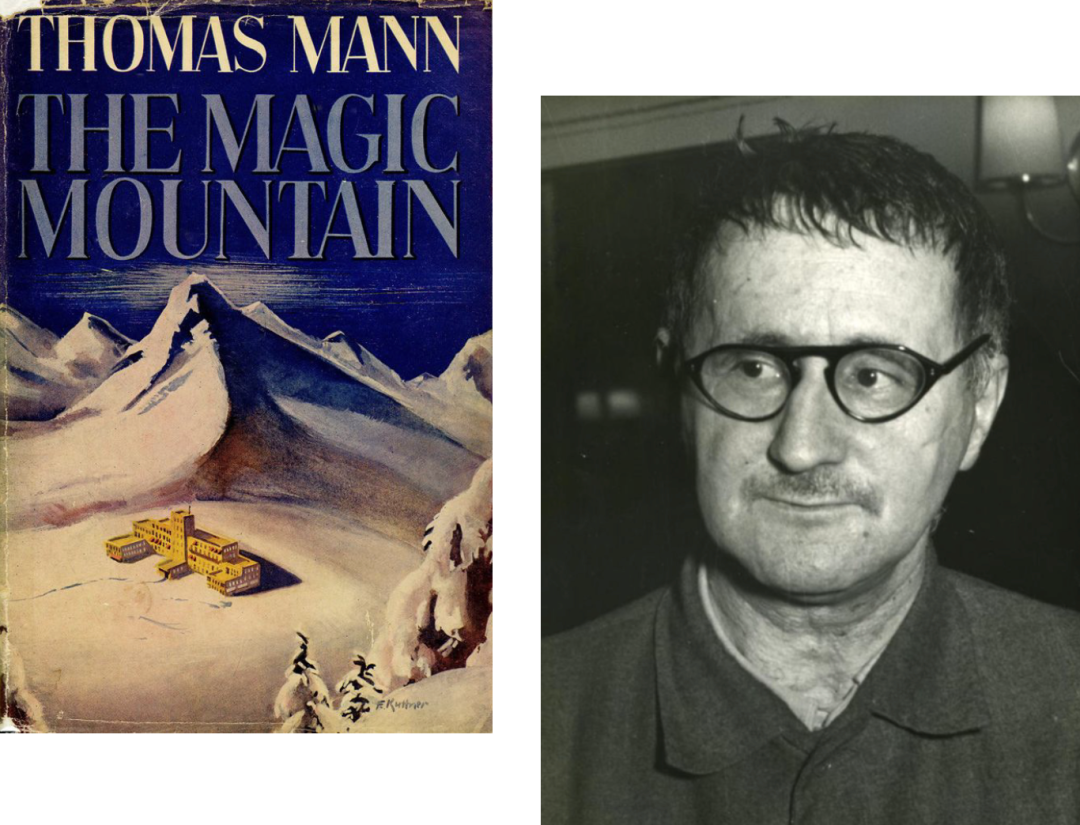
With the rise of the Nazis, German writers with conscience once lived here temporarily. Thomas Mann, the winner of the Nobel Prize in 1932 and the author of Magic Mountain, and Brecht, the playwright of Good People in Sichuan, often get together in bars or cafes to discuss philosophy enthusiastically and speculate on the trend of the world.
In Cassis, called “Paradise” by writer Virginia Woolf, we sailed out to sea in search of natural caves. At low tide, the captain stopped the ship and signaled us to jump into the sea. The sea was so sparkling that it was hard to look directly at. Swimming along the narrow gap into the semi-dark cave, the echo of the sea washing over the rock wall is like the sound of an organ. Close your eyes and concentrate, and your thoughts will drift freely.