What does the sea look like in your eyes when you look down from a height?
Is it just a piece of azure?
You might as well look closer,
You will find that,
Waste, microorganisms and metabolites float on the sea surface,
You people who live by words often weave fantasies,
But it often runs counter to the truth.
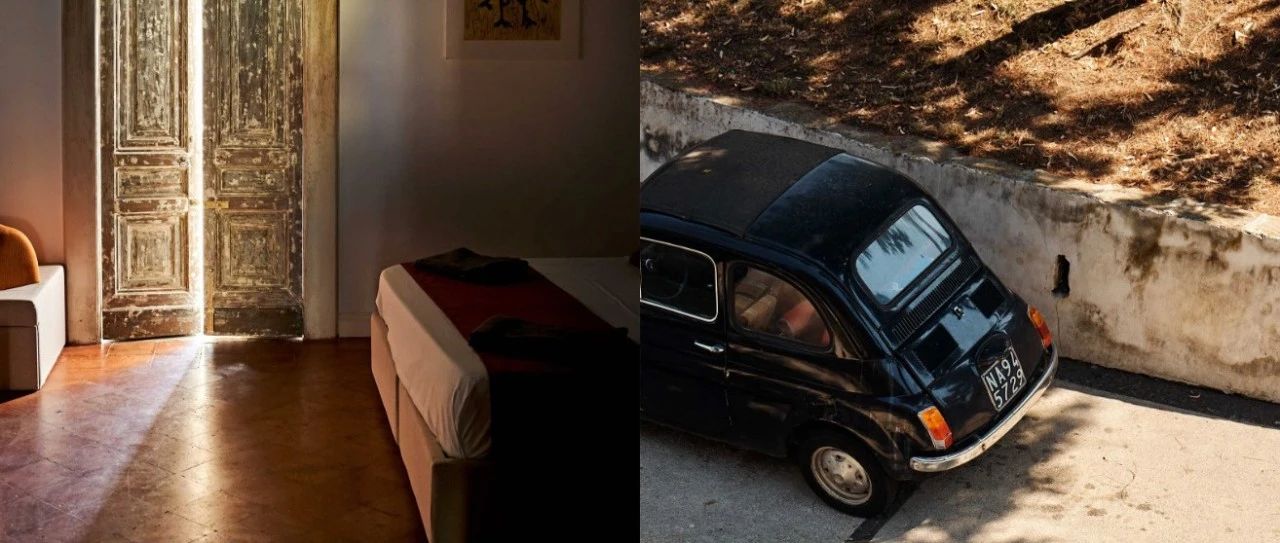
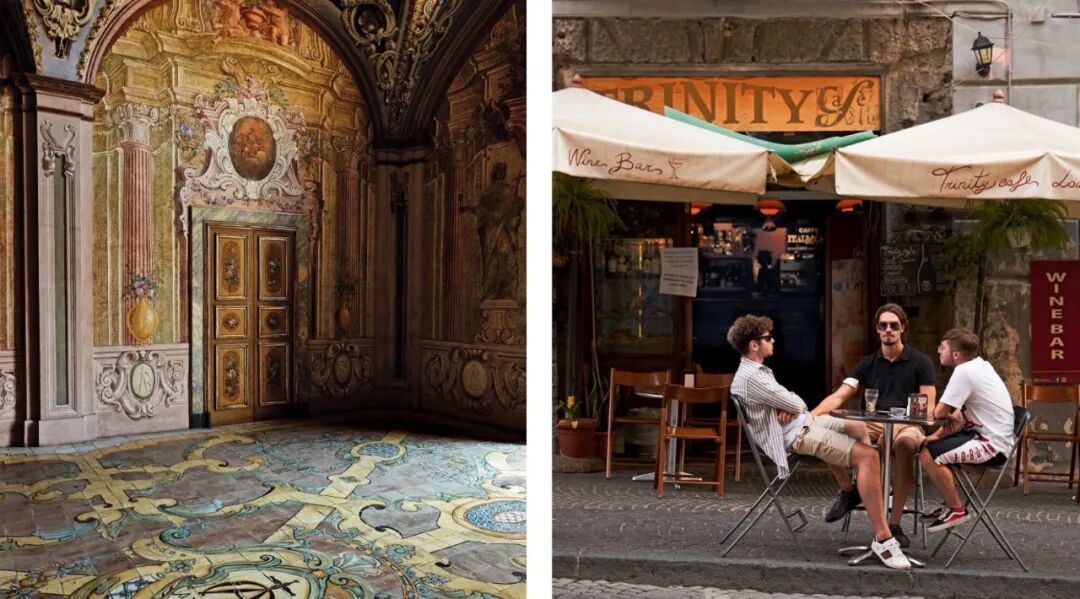
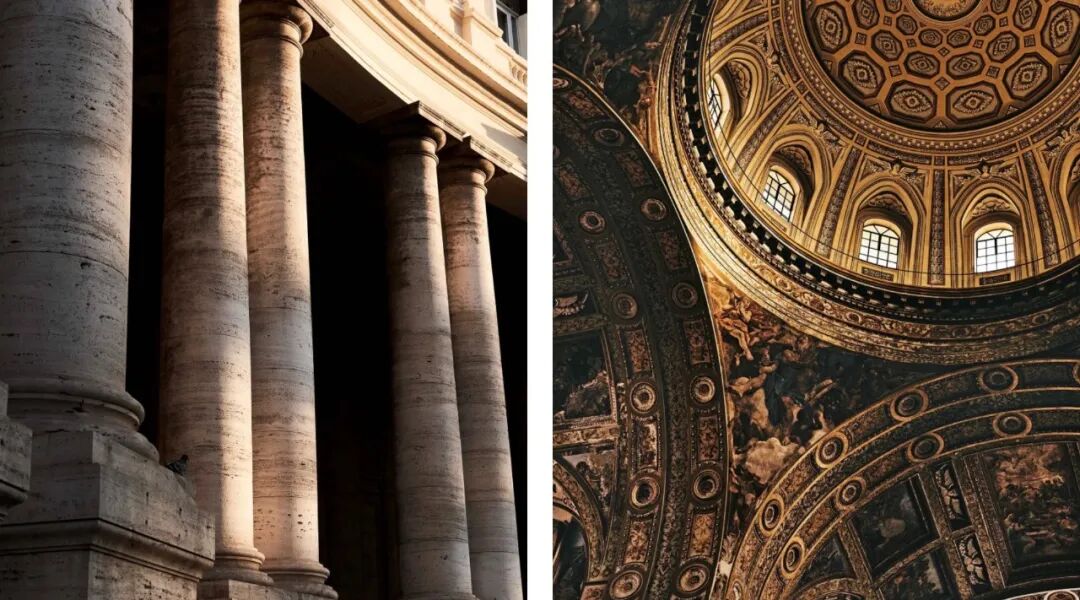
The city awakens slowly under the orange street lamps, and the morning light flows like body temperature among the dense buildings that seem to be nestled to each other. This heritage place of the ancient empire contains 2,700 years of art and culture, where decay and splendor are intertwined.
Naples is not only a city, but also an eternal melting pot of life, spraying the most primitive aspirations of human civilization. The sheets fluttering outside the balcony are a blatant display of private feelings; Tomatoes growing on the slopes of Mount Vesuvius are full of a strong taste of life. The ruins of ancient Greece and Rome and the churches on the top of the mountain whispered silently the eternal law of the decline of all things.
Naples under the rule of the Bourbon Dynasty in the 18 th and 19 th centuries ushered in its golden age, just like the light penetrating shadows in Caravaggio’s paintings. If you travel through time and space, you may see Goethe and Mozart stretching their bodies and minds like shells inhabiting the shore on this hot coast.
In the National Museum of Capodimonte, a pianist in a tuxedo is intoxicated with playing, accompanied by masterpieces of Renaissance masters such as Titian, Masaccio and Bellini. Most of these treasures come from the famous Farnese family, whose members include Pope Paul III in the sixteenth century. It is often hard for Neapolitans who grew up in such a temple of art to imagine that, apart from the city entanglements described by elena ferrante or the gangster reality revealed by roberto saviano, this city once had a grace no less than that of Rome and Florence.

16 th century Pope Paul III from the Farnese family
Before the unification of Italy in 1861, Naples under the Bourbon Dynasty had the richest wealth on the peninsula. After reunification, assets were scattered all over the world, and the bonfire of World War II destroyed them again, and its glory was difficult to continue from then on. After the war, the Mafia Kemora Group quietly controlled the streets, and the name of “Gang City” spread like wildfire.
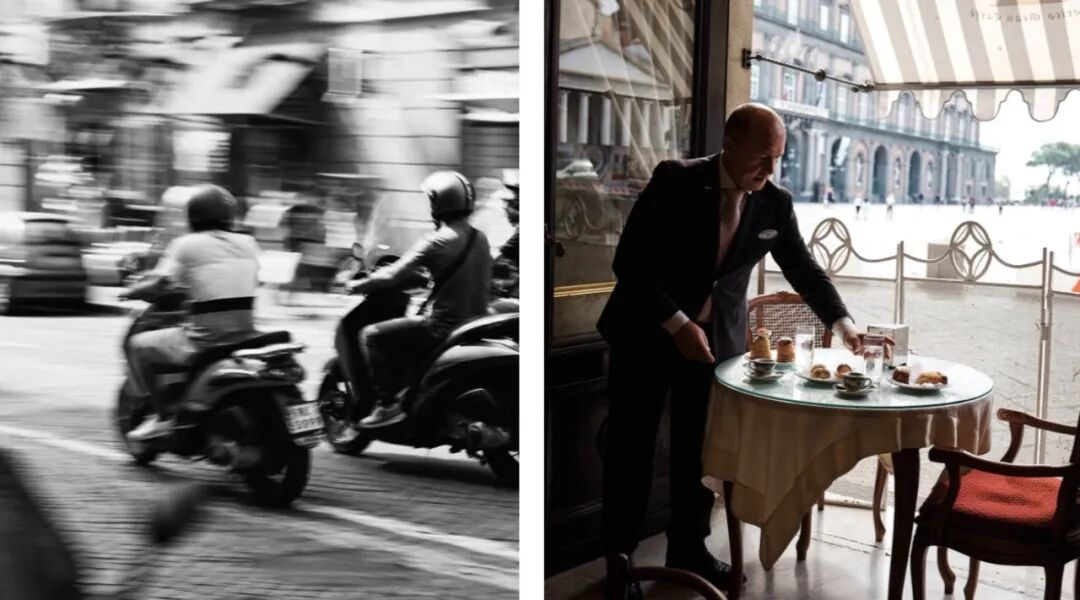
In the past twenty years, the shadow of the mafia has gradually disappeared underground, and Naples has finally got a chance to be reborn. Nowadays, the white sheets hanging on the balcony are no longer a sign of submission, but a cheerful flag for the home kitchen to open its doors to welcome guests. Even proud Milanese or Florentine have to admit that the most touching delicacies in Italy are hidden among the stoves in Naples. Despite the largest number of Michelin stars in Italy, pizza is still the soul’s love here.
Modern art and architecture are also flourishing here: the Toledo subway station built by Spanish artists inspired by light and water makes commuting feel like sneaking in the deep sea; Banksy’s graffiti “Our Lady with a Gun” turns the sacred aura into a pistol, implying the complex interweaving of crime and faith here; The futuristic station designed by Zaha Hadid adds a touch of modern edge.
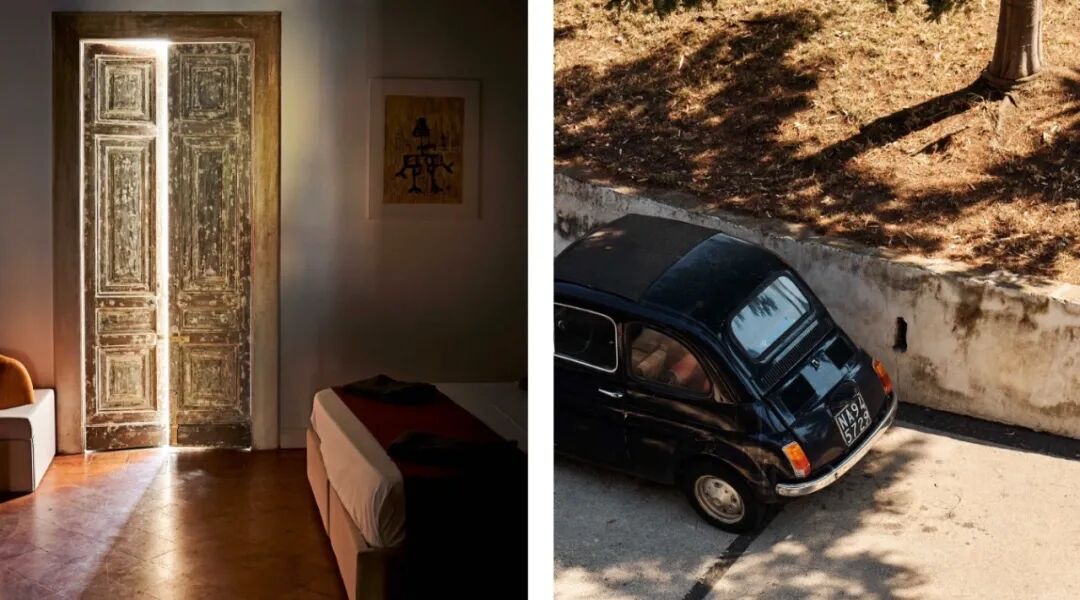
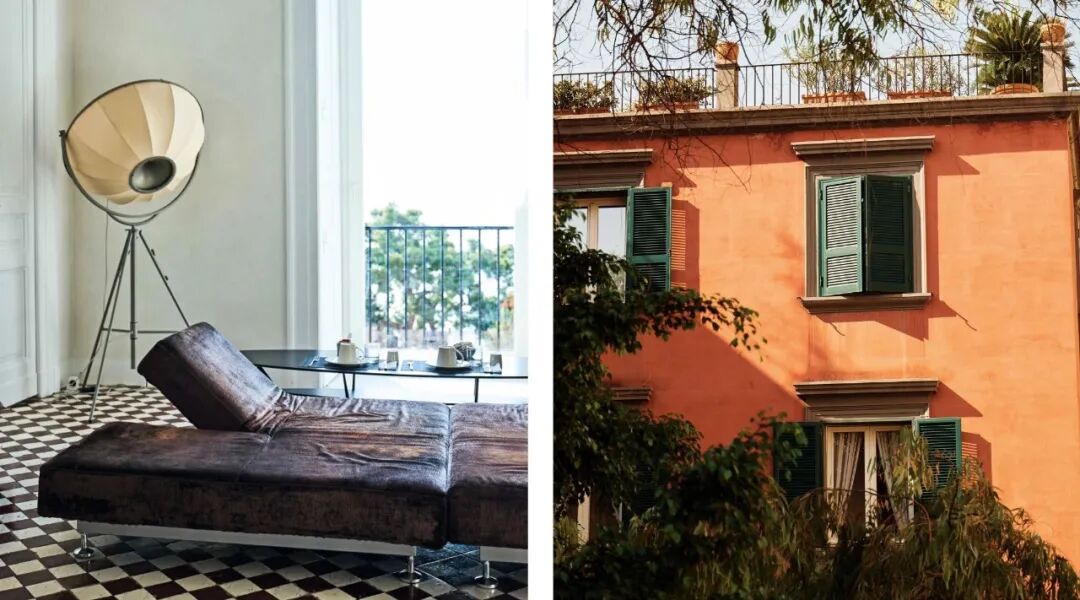
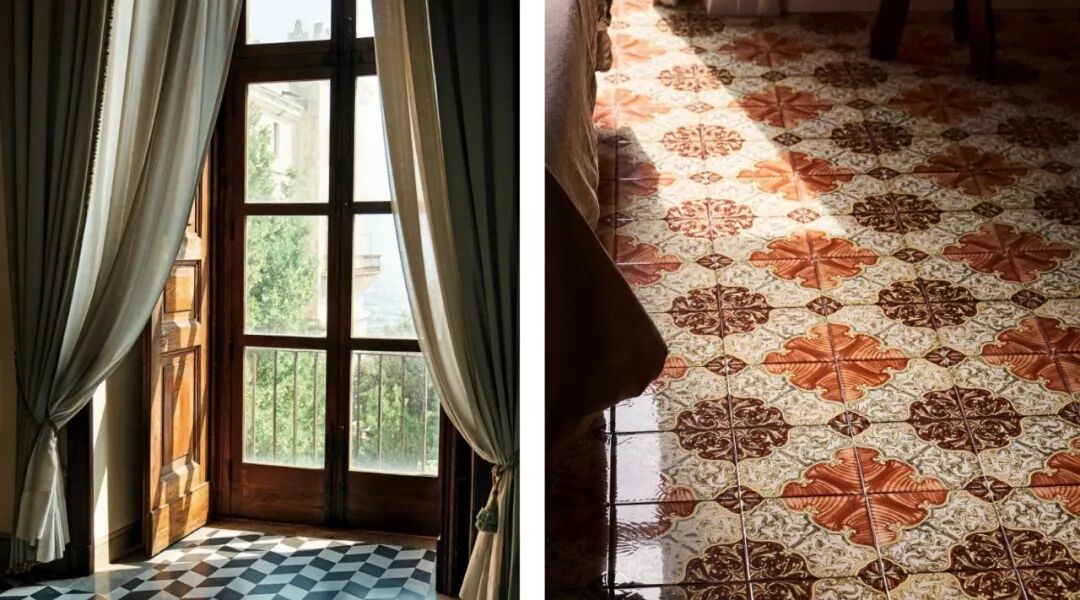
At the same time, new hotels of different styles are popping up: Take the creaking old-fashioned elevator to visit family hotels transformed from historic mansions; A luxury hotel transformed from a romantic venue in the 18 th century; And a design hotel adjacent to the church and whose property is still owned by the nuns.
In the cemetery not far away, layers of skulls piled up silently. Since the 16 th century, local families have had a tradition of collecting the skulls of the deceased and praying for their souls until it was banned by the Holy See in 1969. To this day, Neapolitans still feel that they live in this city with the souls of the past.
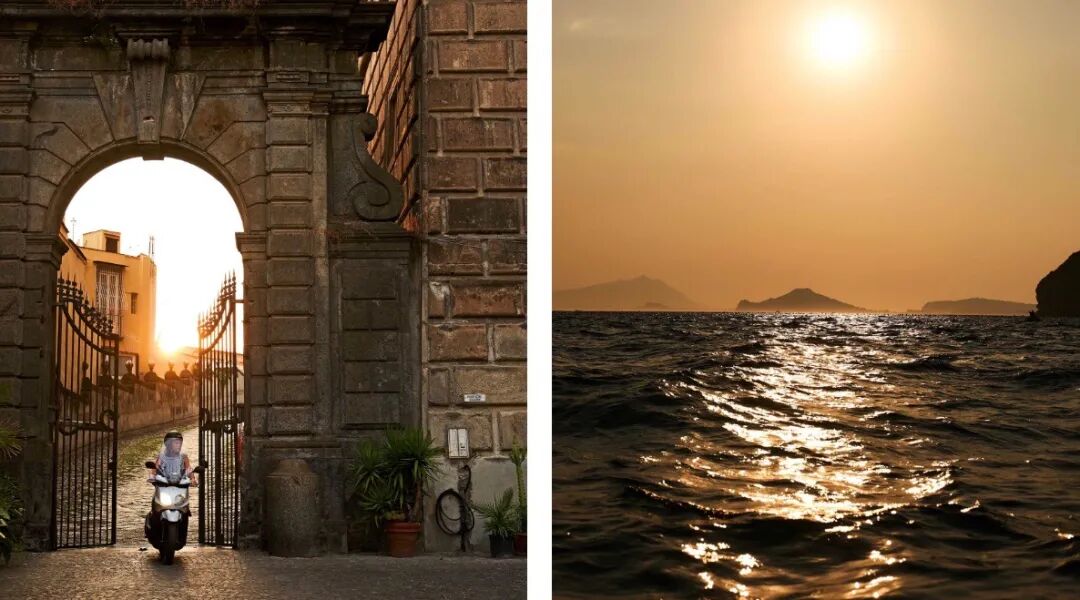
At twilight, follow the path to the villa area of Posillipo Cliffs, which has been a gathering place of elites since Roman times. Looking far west, Capri is like a lazy pink cloud on the horizon; The setting sun spreads over Mount Vesuvius like the wings of a phoenix, waiting for the next dawn. Perhaps Naples will regain its former glory.