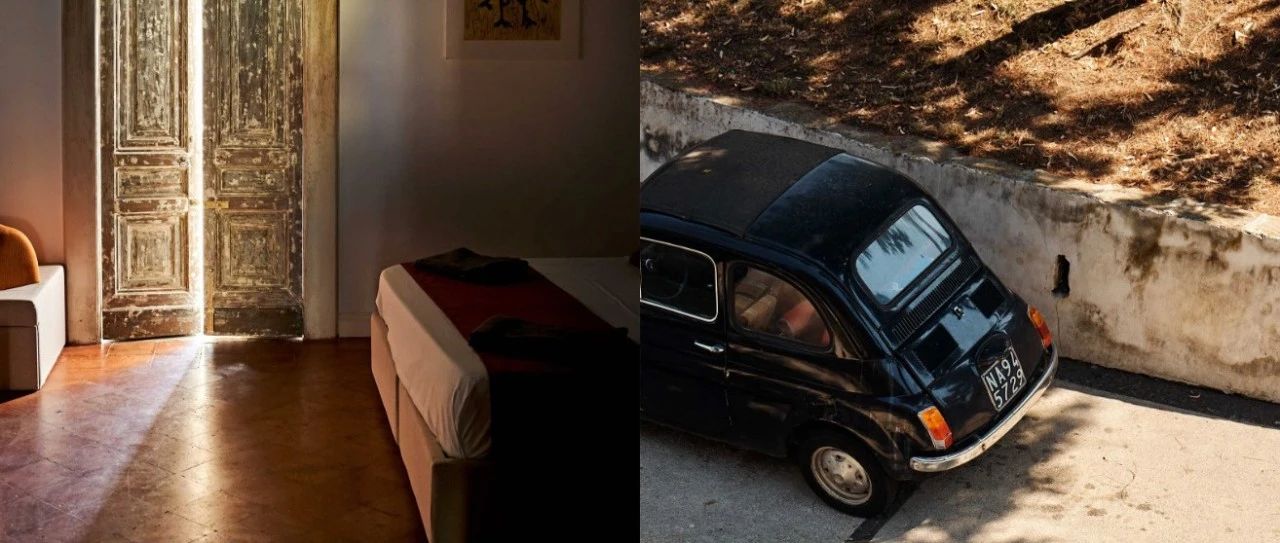
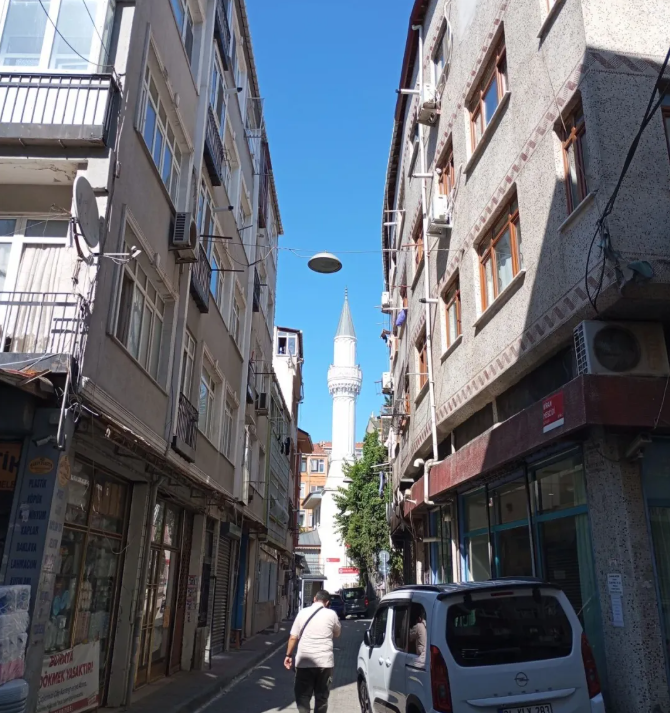
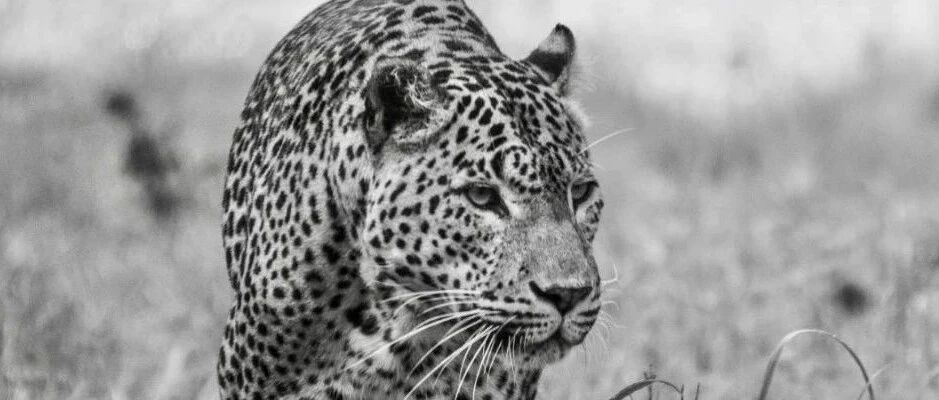
Arequipa, the second largest city in Peru neglected by popular travelers, has not the most dazzling history, and its current spiritual temperament is hardly vivid. However, the strange tension of colonial architectural heritage and modern industrial suburbs, the solitary volcanoes and boundless deserts surrounding them, and the relatively scarce hustle and bustle of tourists, create a contemplative and unique Frontier breath.
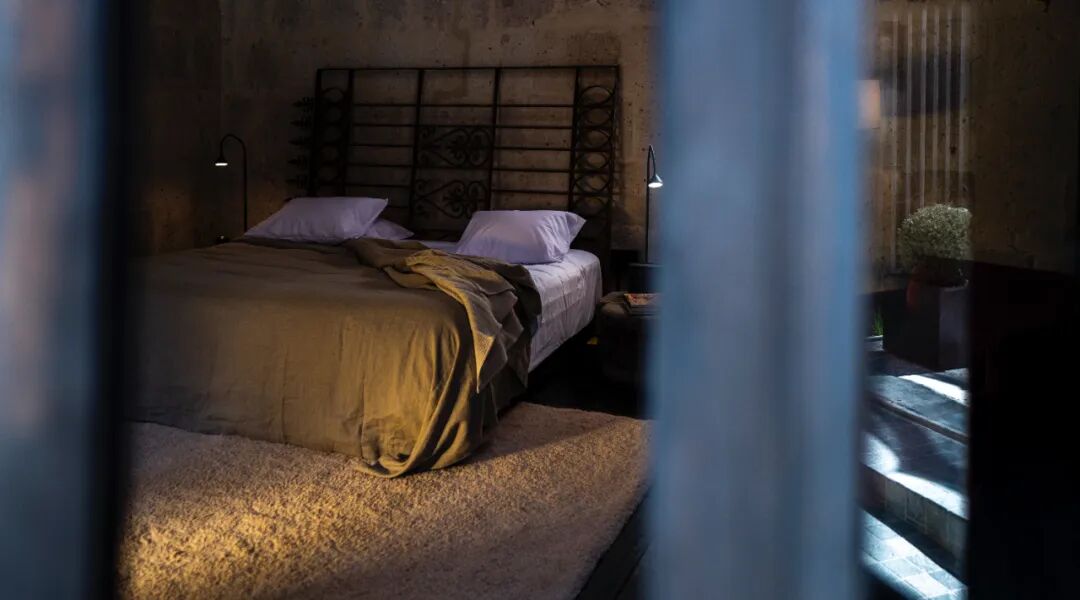 Once we fly in from Lima, we will stay in a boutique hotel converted from an ancient monastery, with a history as old as the city. Arequipa was founded in 1540 and the following year by the Holy Roman Emperor Officially named by Charles V. Cradle of many Peruvian intellectuals, political leaders and religious figures, this city was also the first place of 19 th-century Peru Success or failure of the Key weather vane. Mario Llosa, a South American literary giant, was born here. His masterpieces, Long Talk in the Bar and Green House, are world-famous. He himself participated in the presidential election in 1990.
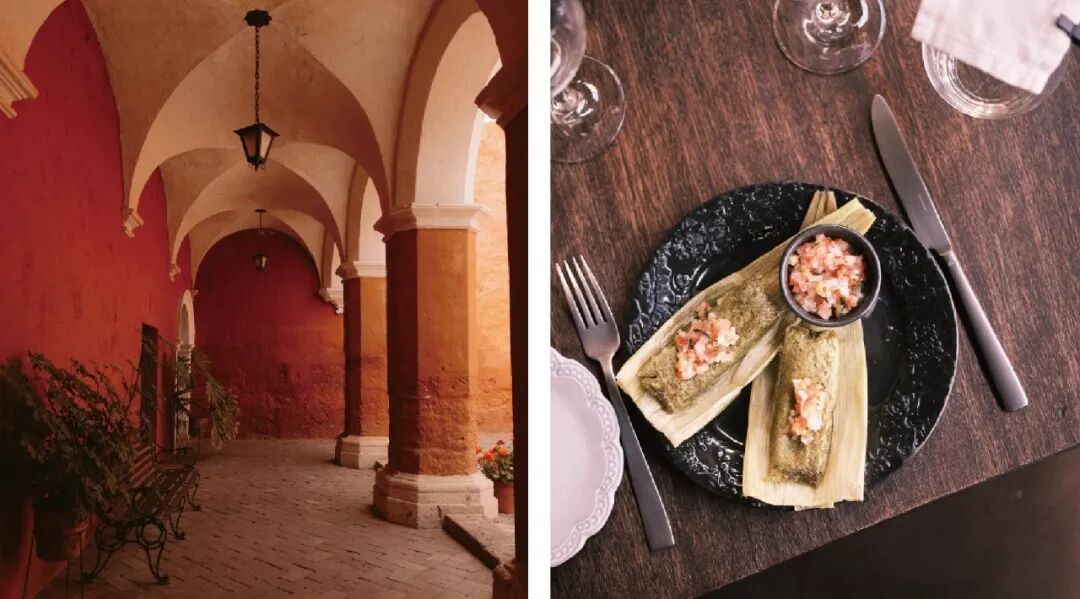
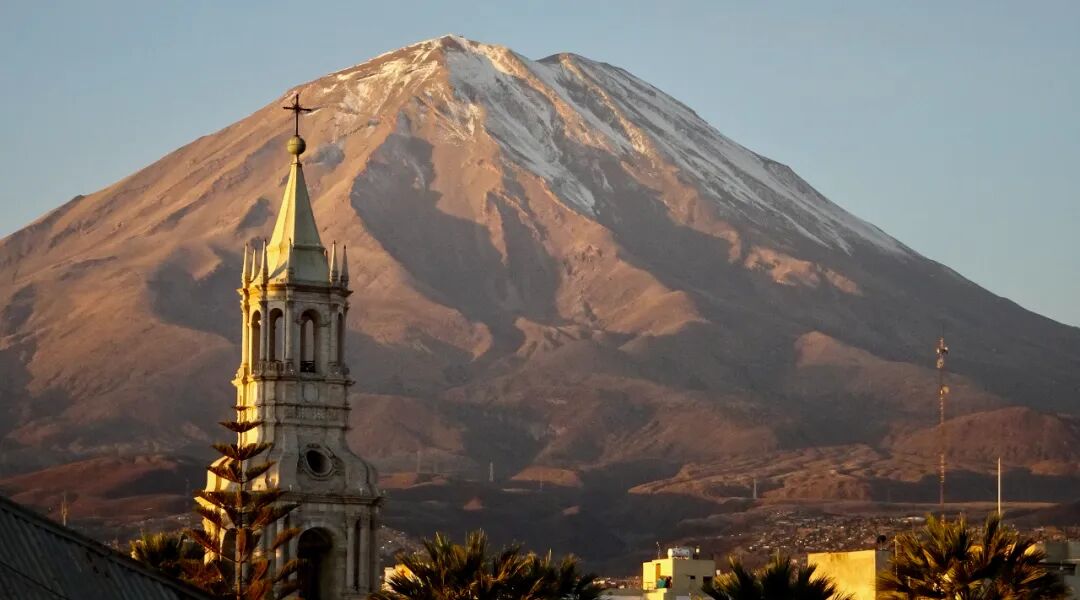 Santa Catalina Monastery, located in the center of the city, is made of pink tuff from the nearby Misti volcano. The four-meter-high wall once completely isolated the nuns’ lives from the earth. The entrance porch is decorated with a relief of St. Catherine of Siena, and the Quiet Courtyard used to be the place where the nuns recited the Rosary. Walk south for a moment, Inca Frozen Princess Juanita’s body is well preserved here-she was found by climbers in 1995 at a snowy peak at an altitude of 6,288 meters. Archaeologists believe that this girl, about 12 to 14 years old, was offered as a sacrifice to the god of the mountains 500 years ago.
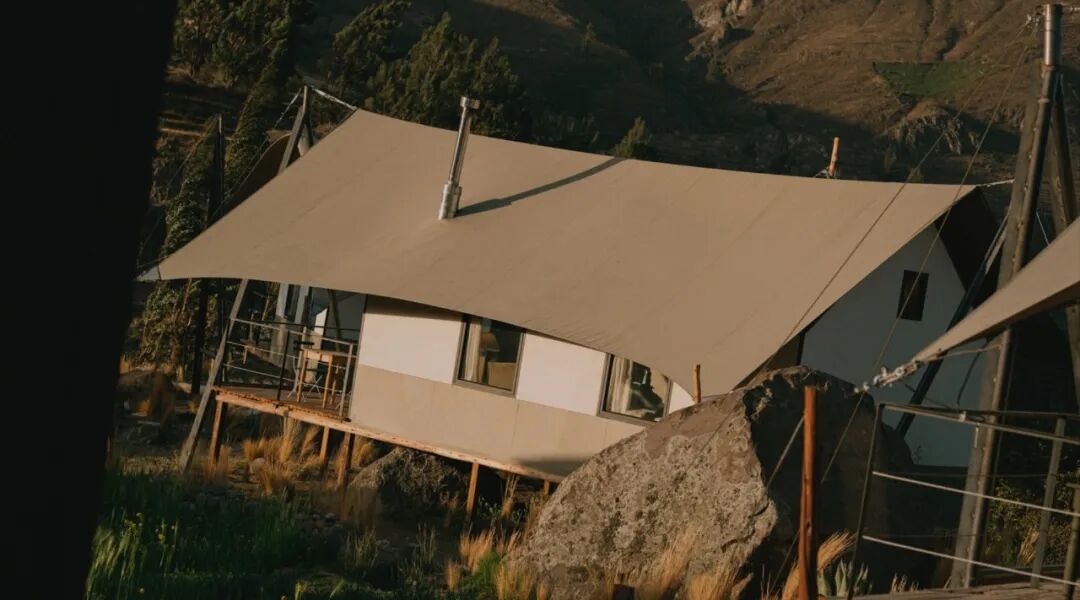
 Say goodbye to Arequipa, the vehicle drove to the wilderness, American alpacas galloped in sight, and the traces of modern industry disappeared. Our destination was the first safari-style tent hotel in Peru. If the canvas tent is out of place with the environment, it will inevitably appear pretentious; But if it fits perfectly with the scene, it can stimulate the traveler’s deep desire to explore the unknown land. This hotel, named after the Quechua language “Spring Day”, stands on the mountainside, overlooking Colca Canyon, the fifth largest canyon in the world, which is twice as deep as the Grand Canyon in Colorado.
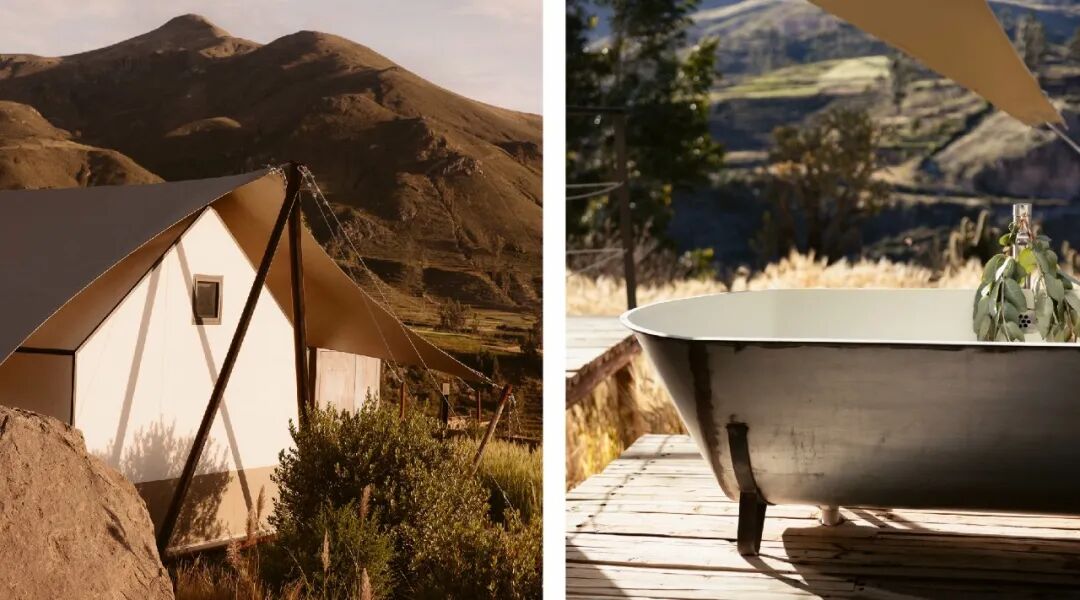
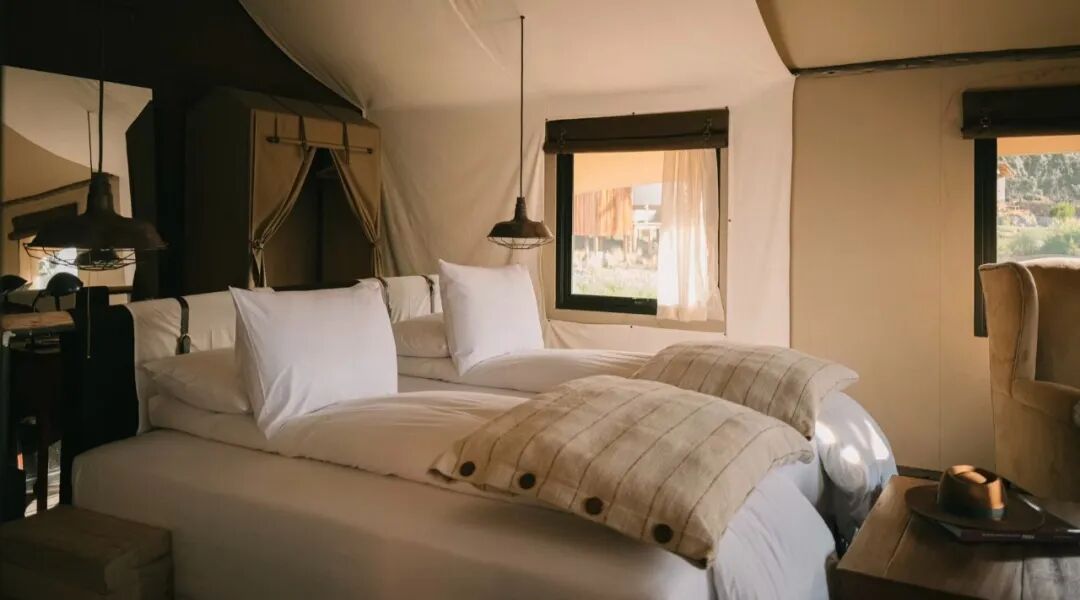
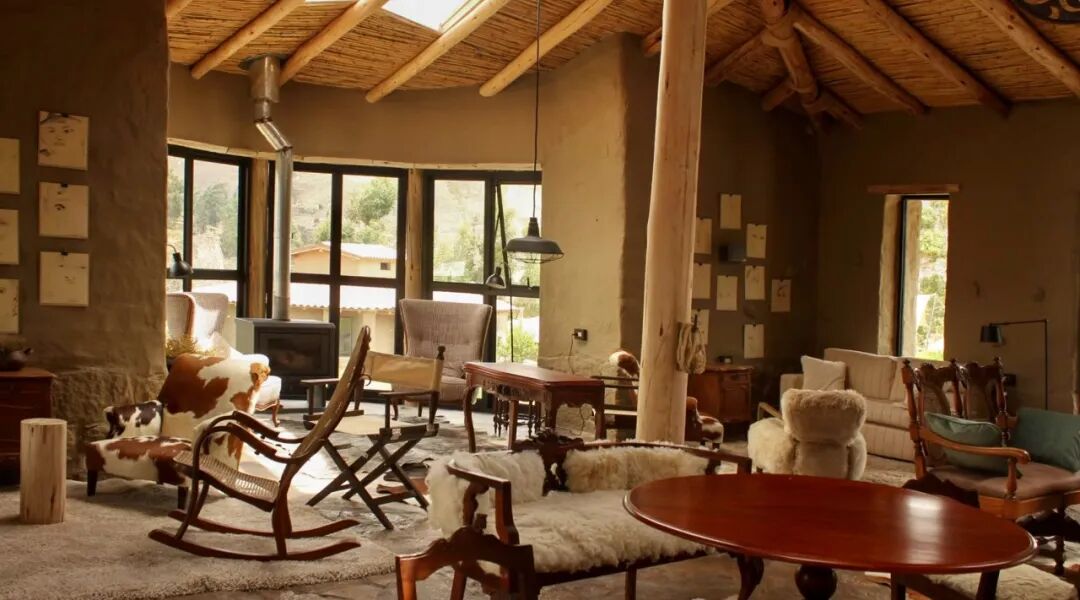 The hotel has only eight independent canvas tents, each equipped with a wood-burning fireplace, comfortable beds and sofa seats, and a desk on the side for you to read, write and record your journey thoughts. During the turndown service, the handmade doll placed intimately lies quietly on the duvet, which has already been warmed and pleasantly by the hot water bottle. After a restful night’s sleep, you can stretch yourself and mind on the private terrace in the morning, with red quinoa and corn fields swaying in the wind in front of you, and the Andean mountains towering nearly 5,000 meters at the end of your sight.
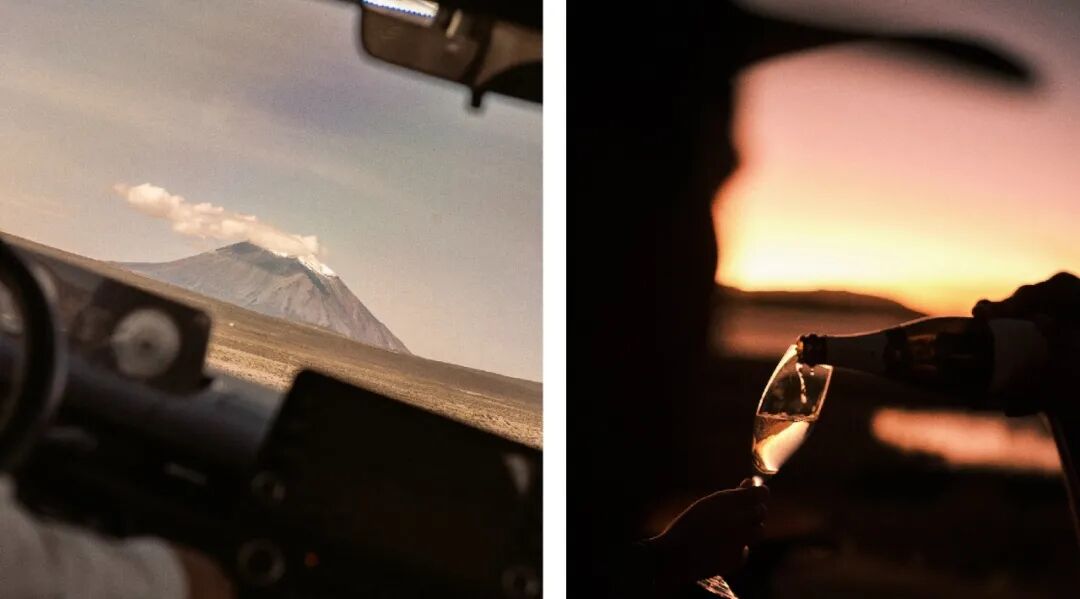
 The hotel’s dining is carefully cooked with local ingredients, including quinoa bread, flavored soup and risotto, and fried lamb leg. As the origin of potatoes in Peru, there are about 4,000 varieties, 42 of which are planted in the hotel’s vegetable garden, so that you can taste fresh potatoes with different flavors every day. The meal can be paired with a selection of wines or specialty cocktails from Chile and Argentina.

In addition to the ultimate comfort of living and parking experience, there are also a variety of activities to choose from during the day, including but not limited to:
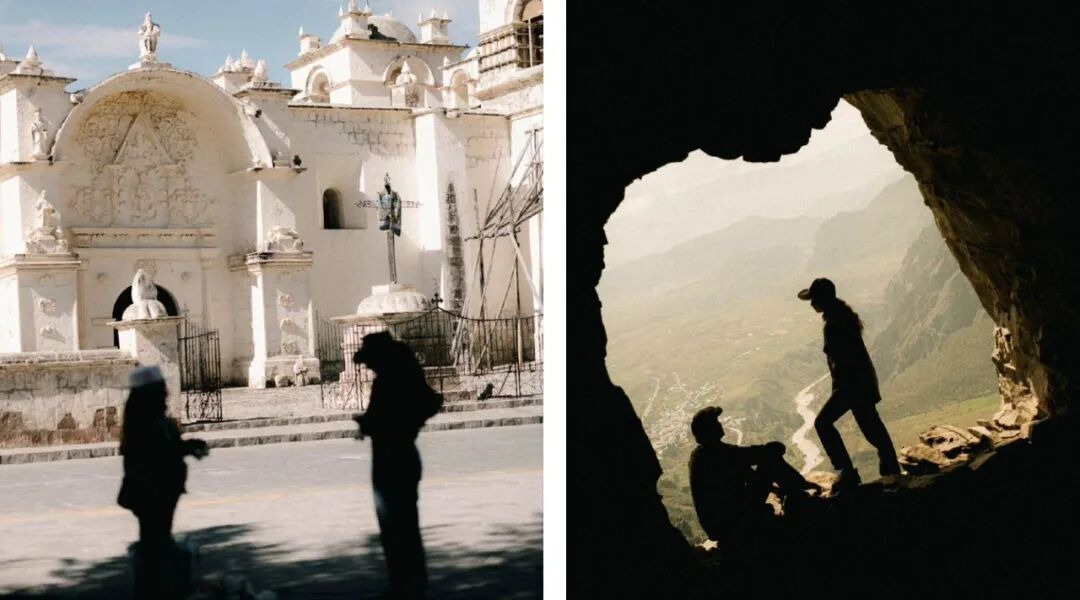
○ Hike deep Colca Canyon, find and view wingspans of up to three meters The world’s largest bird-the Andean vulture (usually active between April and November)
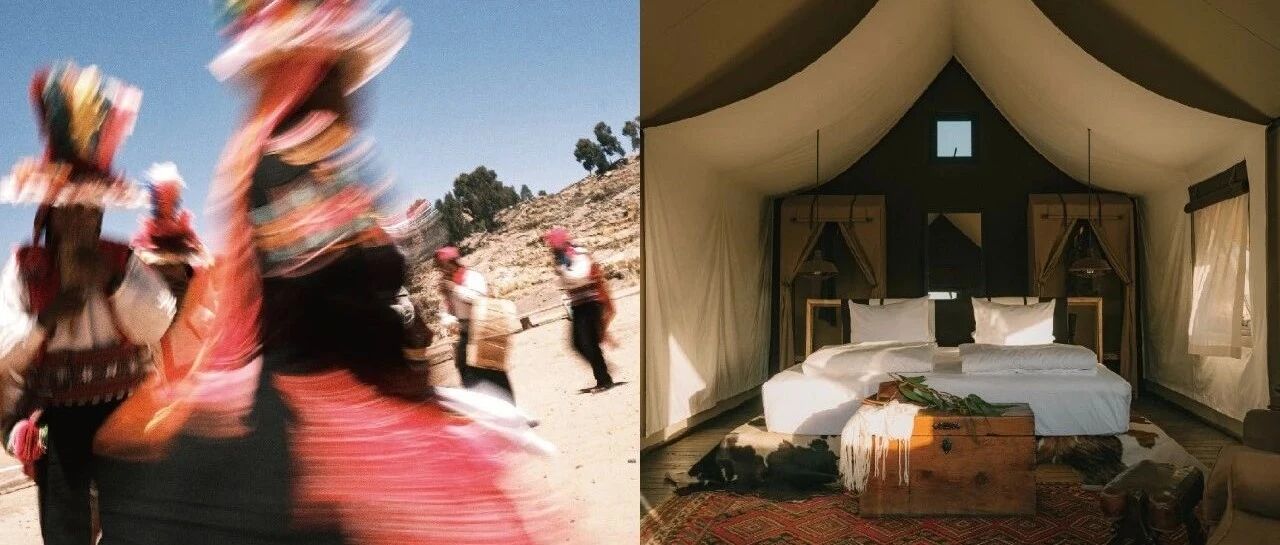
○ Visit vibrant traditional villages and colonial churches, and discover ancient botanical wisdom and healing traditions with the guidance of local herbalists
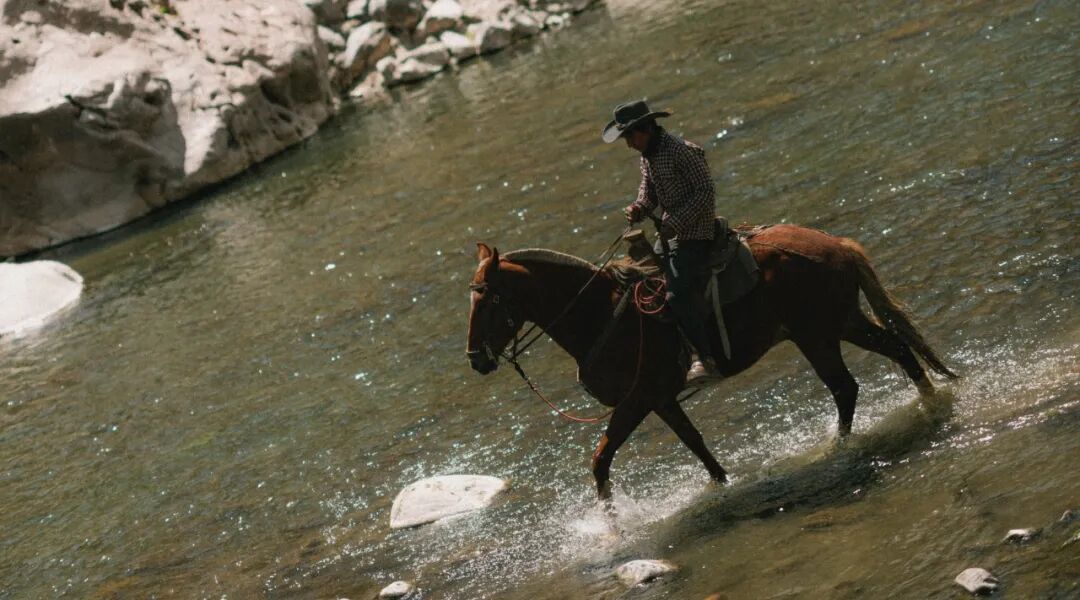
○ Ride forward and explore the geysers gushing on the plateau at an altitude of 4,800 meters
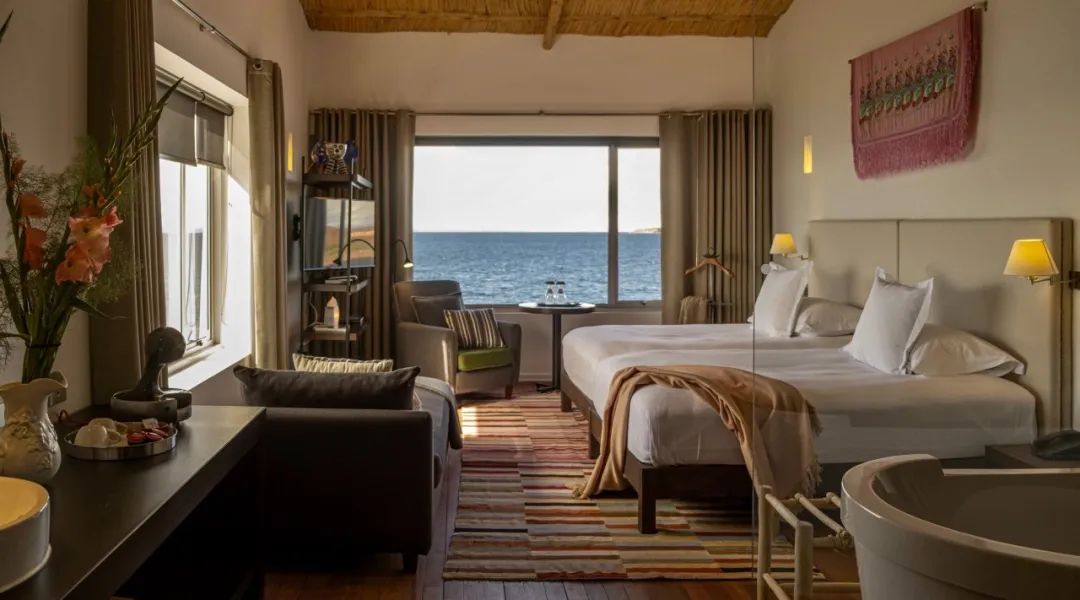
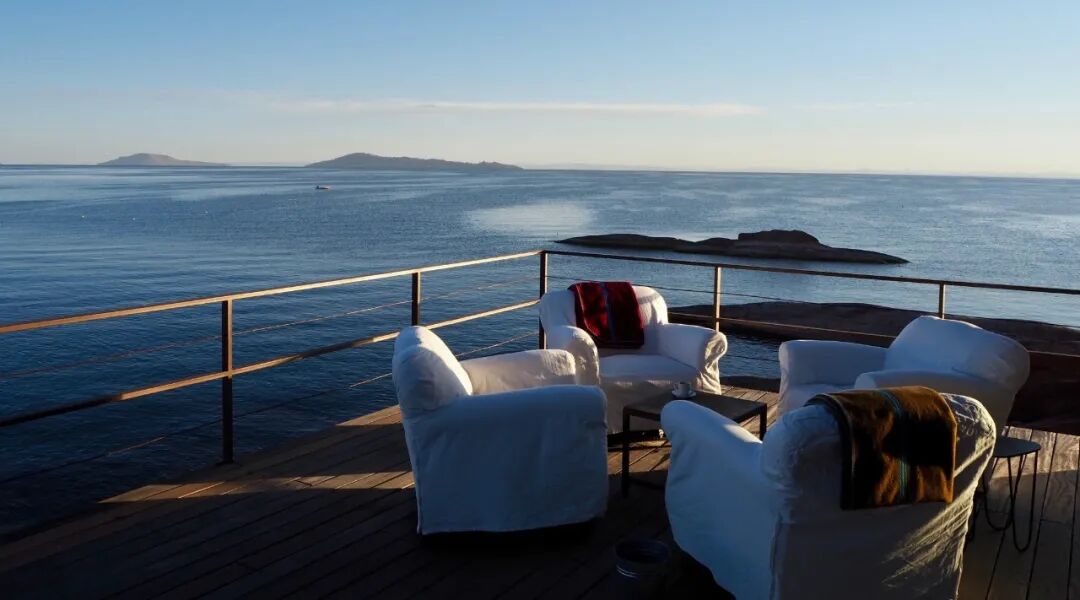
Say goodbye to Colca Canyon, we will ride through the magnificent plateau mountains and lakes, spend a whole day reaching Lake Titicaca, the highest freshwater lake in the world, and stay in a boutique hotel surrounded by water on three sides. In the orange sunset, sit around the bonfire and enjoy a cocktail and delicate snack to relieve the fatigue of the journey.
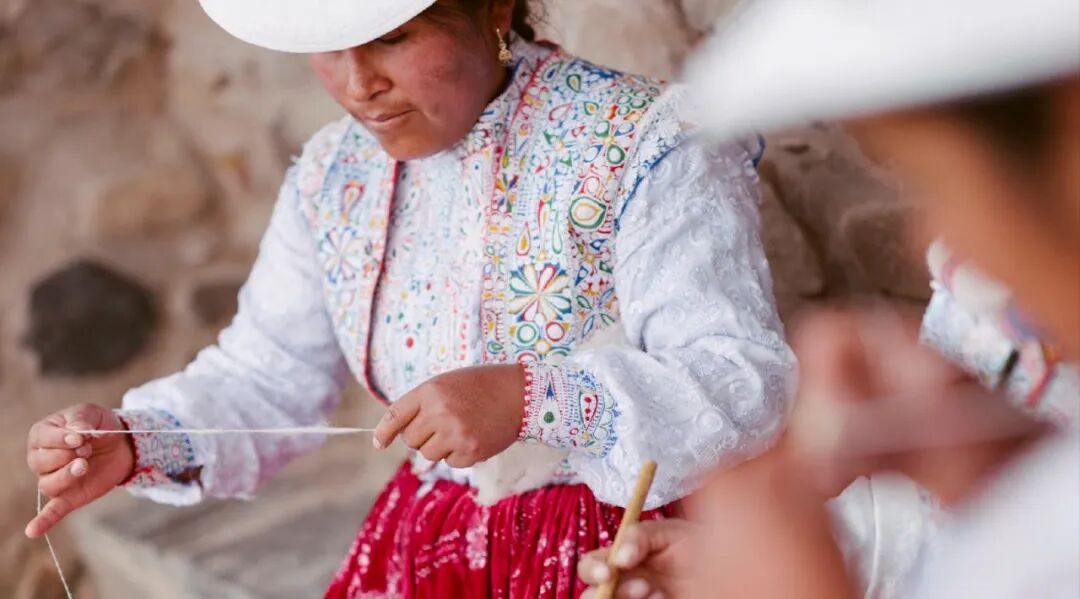
Lake Titicaca is about 3,800 meters above sea level, spanning Peru and Bolivia. Before the rise of the Inca Empire, the Aymara people lived here for generations. Even though it was later incorporated into the Inca territory, due to its relatively isolated geographical location, the Aymara people still retained unique cultural customs, such as the floating “Urus” artificial islands built with reeds, and Takira Island, which is famous for its exquisite weaving skills by men.
After a two-night stay on the shores of Lake Titicaca, travelers can choose to take the Belmond luxury train to Cusco, the ancient Inca capital, or enter Bolivia via the land border to continue with more novel and profound explorations.