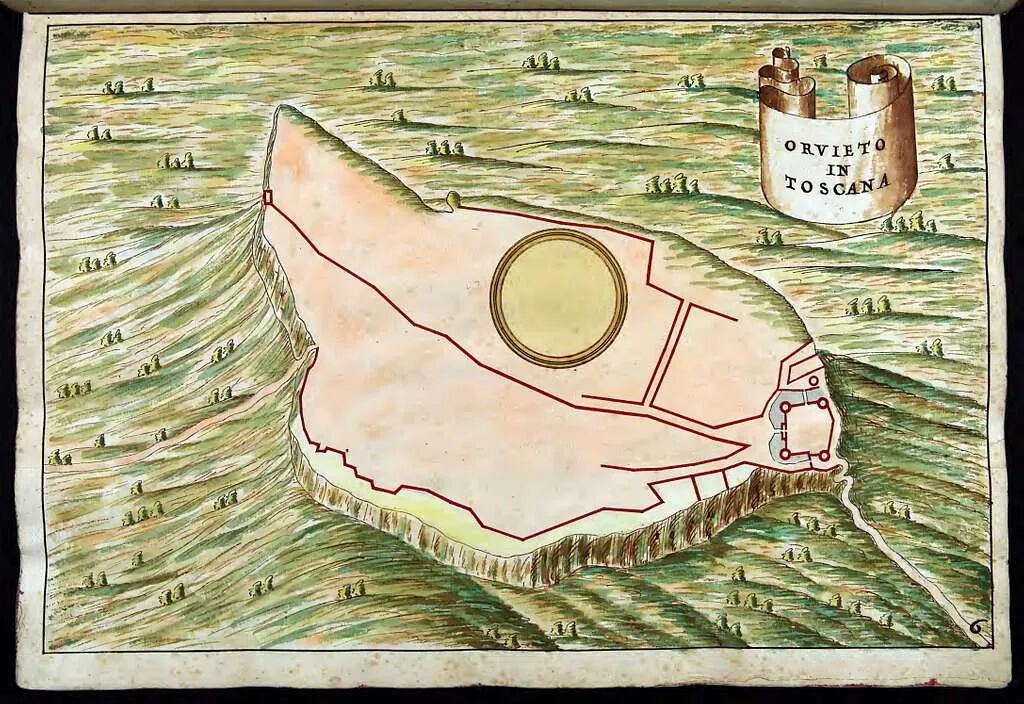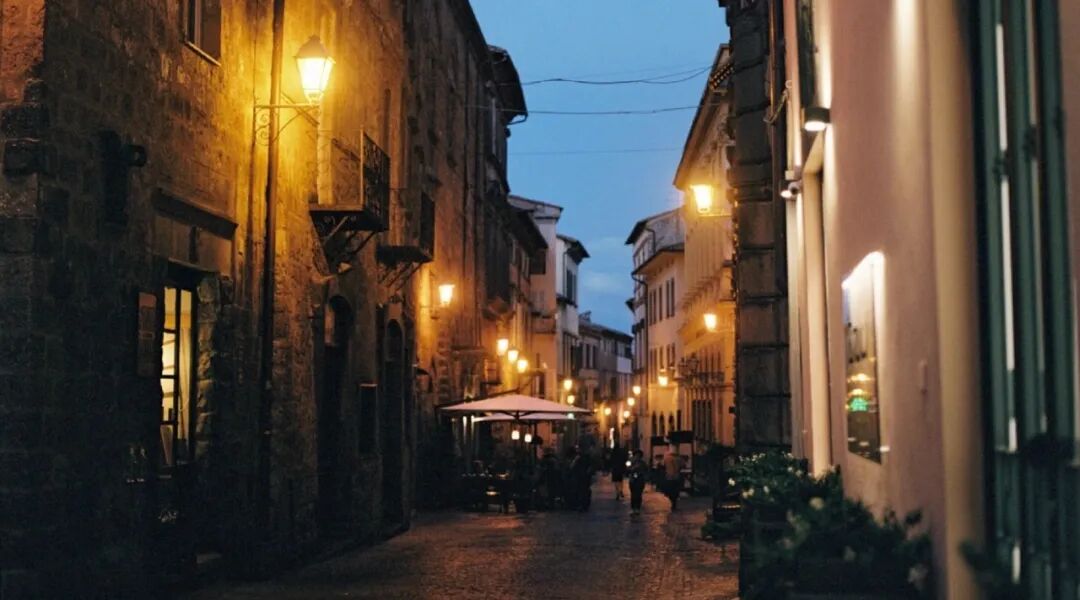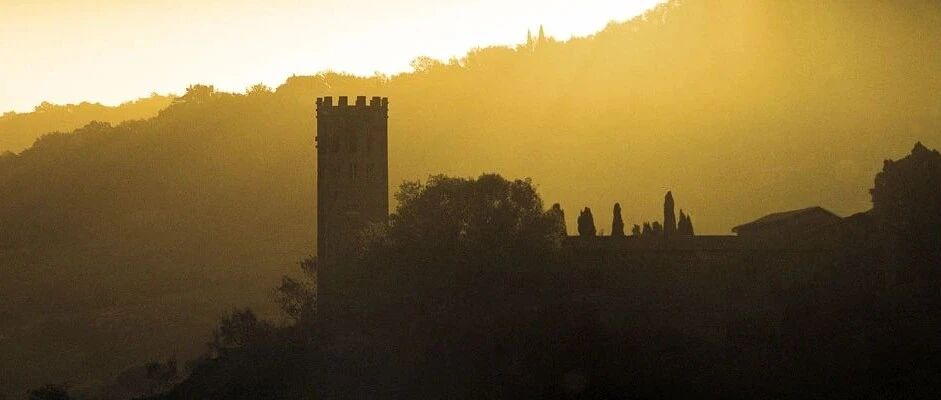
Looking back at the Middle Ages, when the land between Rome and Florence became a battlefield for great powers to compete for deer, Orvieto, perched on a nearly vertical tuff cliff, became an important military town that was easy to defend but difficult to attack with its natural barrier. However, within the high walls, the pulse of culture and art of this city never stops. The winding medieval streets unfold slowly around the magnificent cathedral, and now along the streets are taverns, bookshops, cafes, antique shops and handicraft workshops, and the atmosphere is quiet and restrained. On the annual Eucharist Day, more than 400 people dressed in medieval costumes lined up in the streets of *. The scene seemed out of place with the contemporary world, but it was so naturally and deeply rooted in the genes of this city.
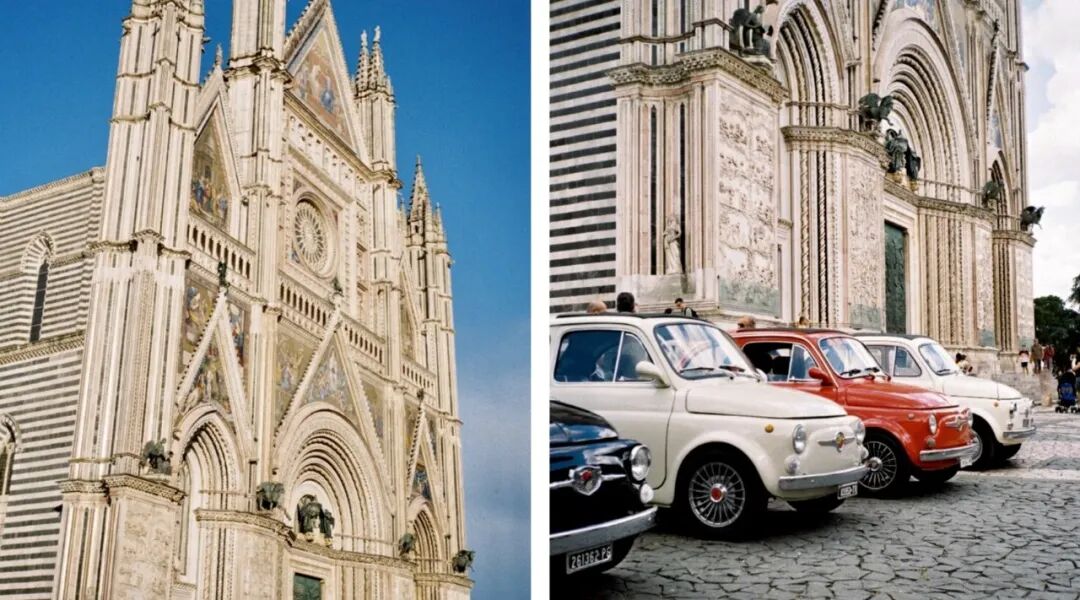 If you want to find the symbol that best represents the spiritual core of the city, it must be the cathedral. The construction of this early Gothic building with alternating light and dark marble spans four centuries. As early as 1297, before the project was completed, Pope Nicholas IV visited the construction site to preside over the first Mass; Until In 1380, the facade decorated with exquisite stone carvings, gilded mosaics and gorgeous minarets was finally completed; The meticulous interior was not completed until the early 17 th century. In the hearts of locals, this church may not be really “completed” until 1970-that year, three bronze gates replaced the wooden gates that had guarded it since the 14 th century and were permanently placed on the outer wall.
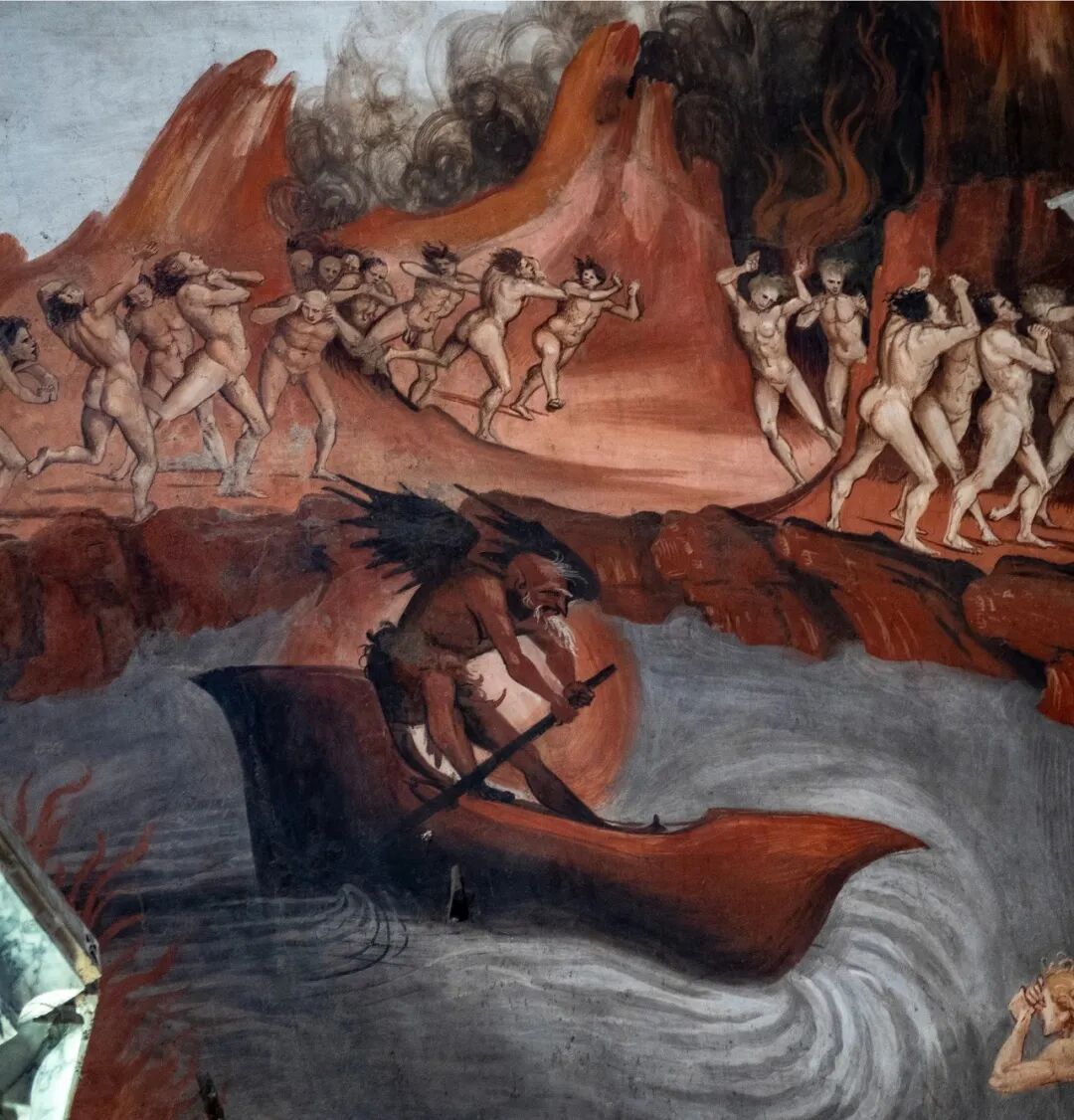
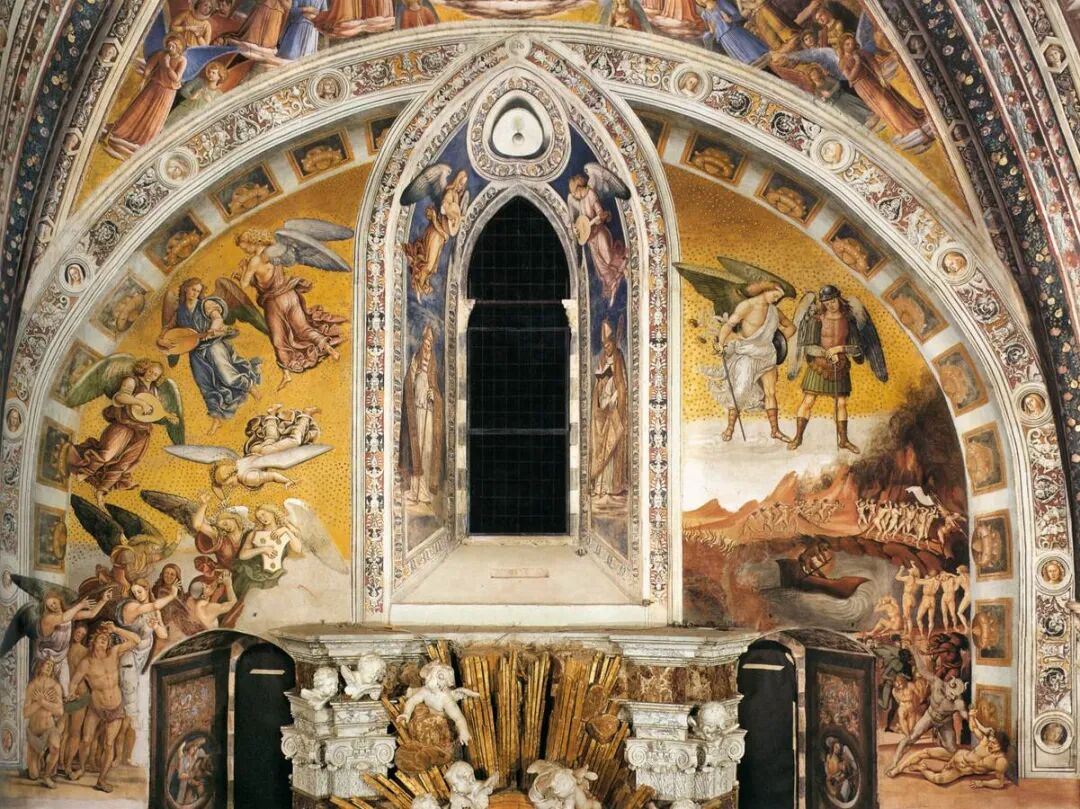 The interior of the church looks magnificent at first glance, but the soft radiance shining through the alabaster windows and the layout of the cross-shaped nave separated by arched colonnades are closer to the calmness of ancient Roman style and the simplicity of early Christianity than to the fierceness of typical Gothic style or the complexity of Catholicism. However, the Chapel of San Brizio in the side hall is an exception-its magnificence and dramatic tension are no less than those of the Sistine Chapel in the Vatican. Luca Signorelli’s series of “Revelation” murals painted between 1499 and 1504 hang high on the wall, among which “The Last Judgment” is particularly shocking. Legend has it that thirty years later, Michelangelo drew inspiration when he created murals with the same theme in the Vatican.
 In addition to the magnificent church above ground, there is a honeycomb-like tuff maze hidden underground, containing thousands of rooms, grottoes, passages and shafts. Since Etruscan times, locals have been digging underground worlds here. Following the archaeological guide through it, you can see the former quarries, leather workshops, bread kilns and olive oil workshops, and their most important function is to store water. After Charles V’s troops sacked Rome in 1527, In order to avoid repeating the same mistakes, Pope Clement VII ordered the cities under his papal authority to dig wells and store water to cope with the possible siege. Orvieto’s St. Patrick’s Well is one of the most magnificent projects-62 meters deep and 13 meters wide. It has two independent ramps that resemble a double helix structure of DNA. Mules and horses can transport water up and down in parallel without interfering with each other.
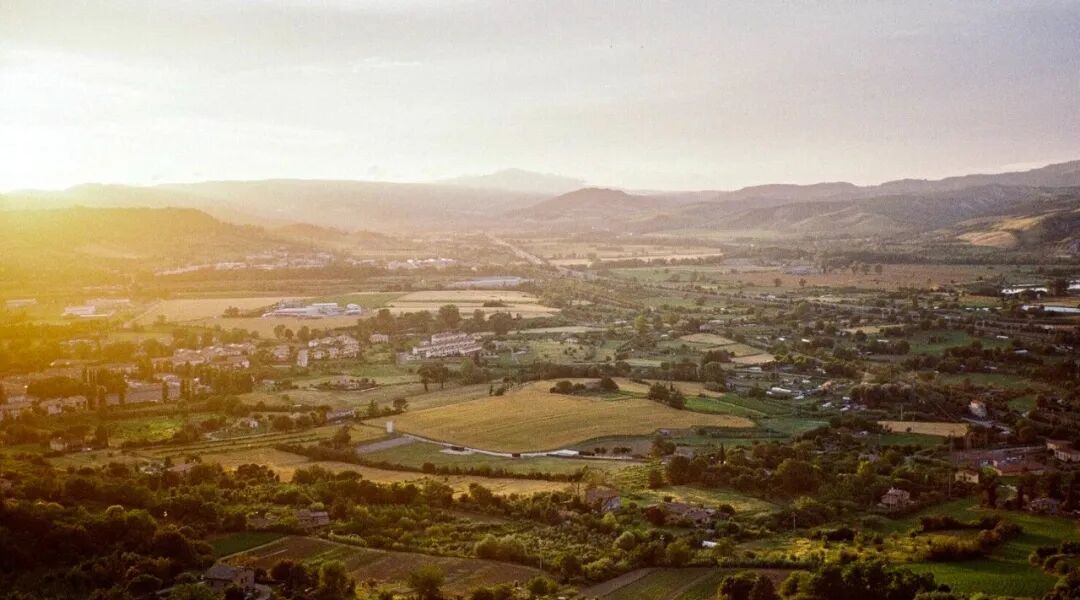 At dusk, stroll up the ancient city walls overlooking the fertile Paglia Valley stretching north. The fields are divided by regular vineyards, dotted with golden sunflower fields, and the hills between Alerona and Fabro outline light and dark in light and shadow. Take a bottle of local white wine with peach fragrance, accompanied by rich pecorino cheese, as if suspended in some light force, and observe this tranquility that has not been grated by the hustle and bustle.
The range of a man’s walk is his world
At dusk, stroll up the ancient city walls overlooking the fertile Paglia Valley stretching north. The fields are divided by regular vineyards, dotted with golden sunflower fields, and the hills between Alerona and Fabro outline light and dark in light and shadow. Take a bottle of local white wine with peach fragrance, accompanied by rich pecorino cheese, as if suspended in some light force, and observe this tranquility that has not been grated by the hustle and bustle.
The range of a man’s walk is his world