A Bradfield’s hornbill paces for food in Zimbabwe’s Hwange National Park. It has short legs, a strong body, a pair of melancholy yellow eyes and a striking giant red beak. Perhaps, it is not looking for food for itself, but for its partner in the nest.
When the female lays eggs, she sheds all her feathers to build a nest, enclosed herself in a protective wall made of dirt and dung until the chicks are full of wings. This is just like the Republic of Zimbabwe, which was founded only 45 years ago-after nearly a hundred years of turmoil and fragility, it is trying to spread its wings and show its first flight to the world.
Since the 12 th century, the Muhumtaba Empire, founded by the Shuna people, has developed into one of the largest kingdoms in southern Africa by virtue of ocean trade with India and the Arabian Peninsula. In 1888, the British established the colony “Rhodesia” here, but it continued to encounter armed resistance from aborigines and was forced to split into Northern Rhodesia (now Zambia) and Southern Rhodesia (now Zimbabwe) 23 years later. In the following 70 years, this land fell into near anarchy, and all forces took turns to compete for dominance. It was not until 1980 that the democratically elected President Robert Mugabe came to power that Zimbabwe officially declared its independence.
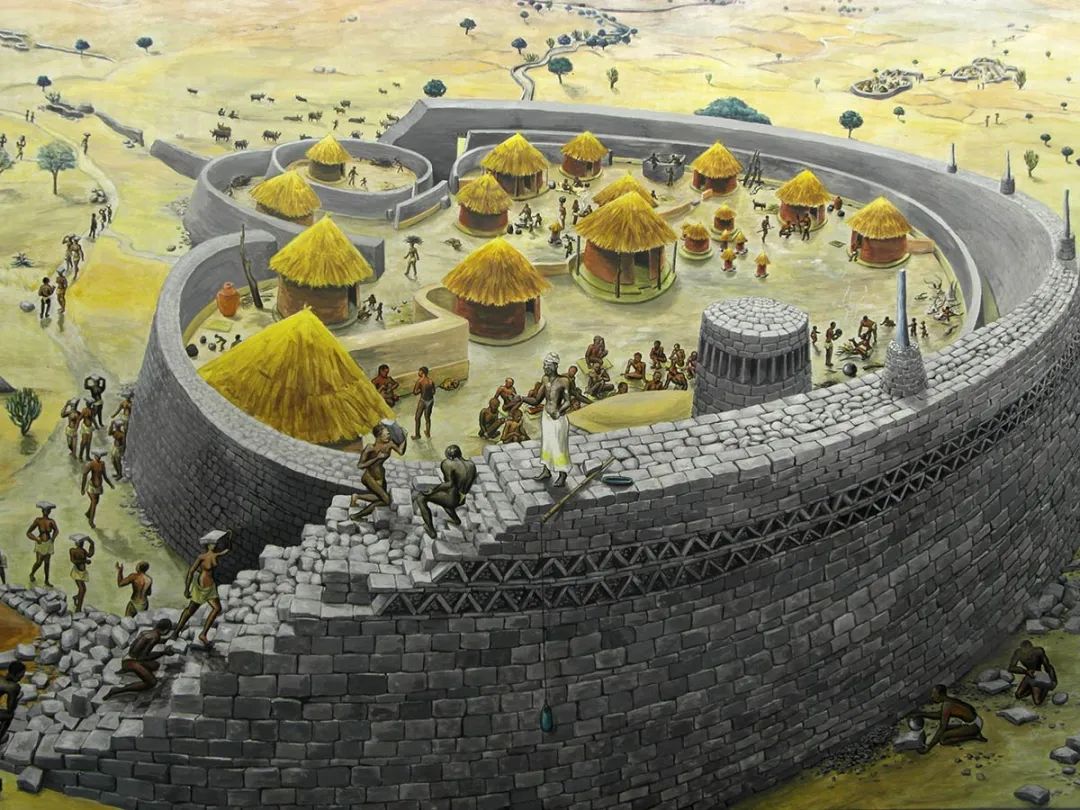
▲ The restoration map of the Great Zimbabwe site built in the 12 th century during the Muhumtaba Empire, famous for its 12-meter-high stone wall, is the largest ancient building complex in sub-Saharan Africa.
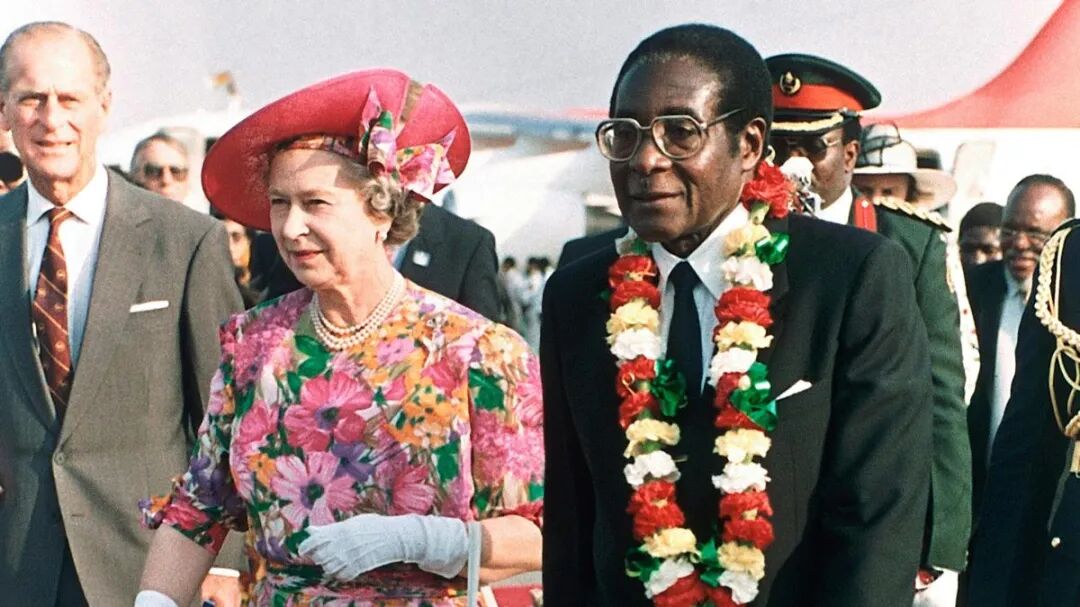
▲ Mugabe welcomed visiting Queen Elizabeth II in 1991
In the first two decades after independence, the country remained generally stable with economic assistance from Europe and the United States, a booming tobacco industry and tourism industry. However, the good times didn’t last long. Mugabe gradually moved towards dictatorship, excluding dissidents, suppressing opposition parties, suppressing *, amassing private wealth, and even openly condemning 75,000 white settlers in the territory, completely deviating from the promise of “opposing racism and welcoming whites to stay and build a new country” when the People’s Republic of China was founded. Eventually, the land reform evolved into violent expulsion and land grabbing of white farmers, and distributed them to cronies. In just a few years, the hyperinflation rate soared to 800 million times, the unemployment rate reached 90%, the national economy collapsed, and tens of thousands of refugees fled.
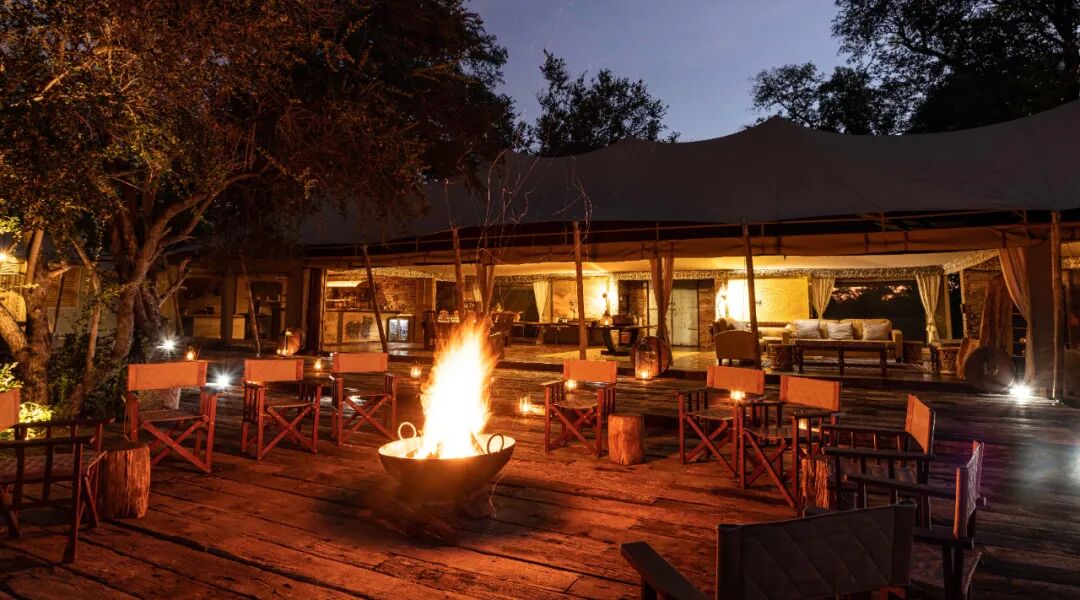
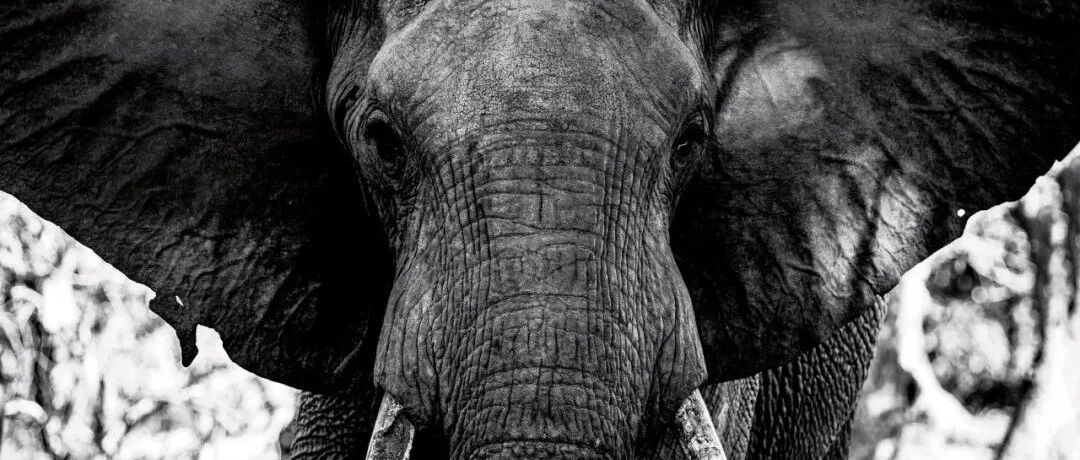
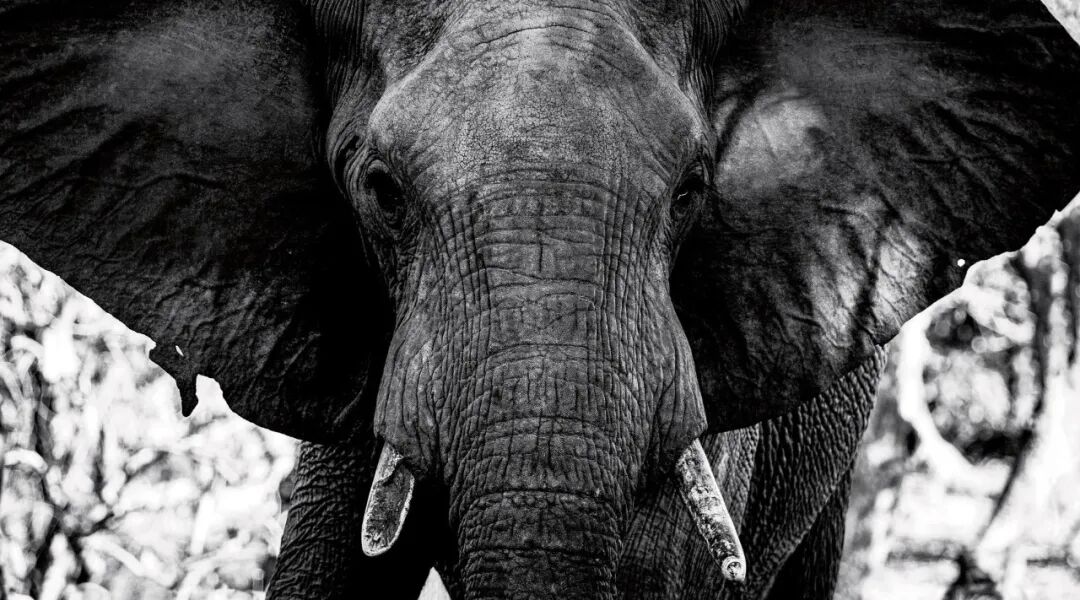
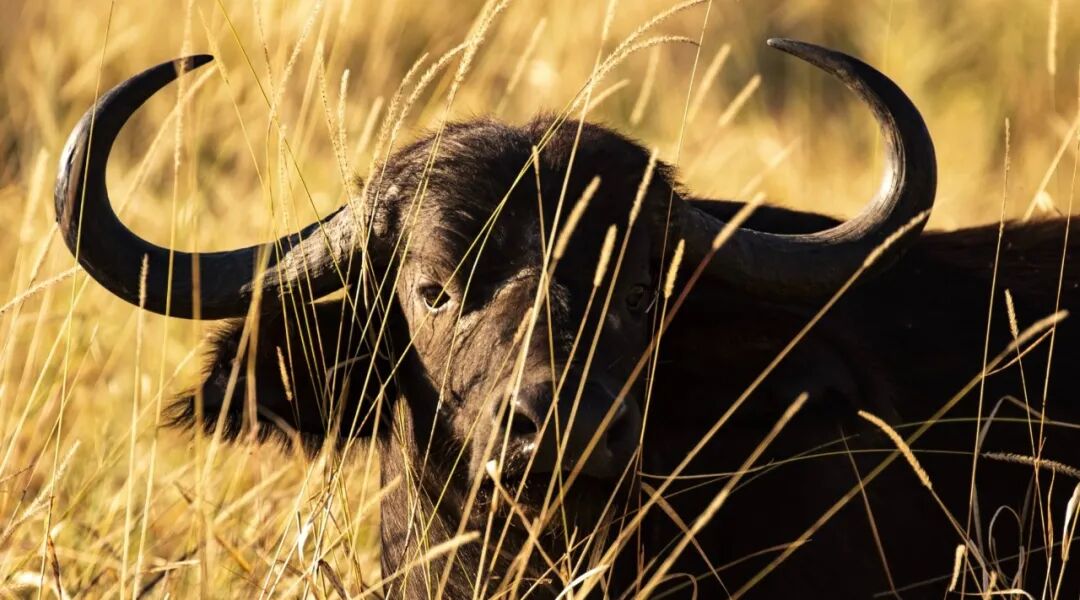
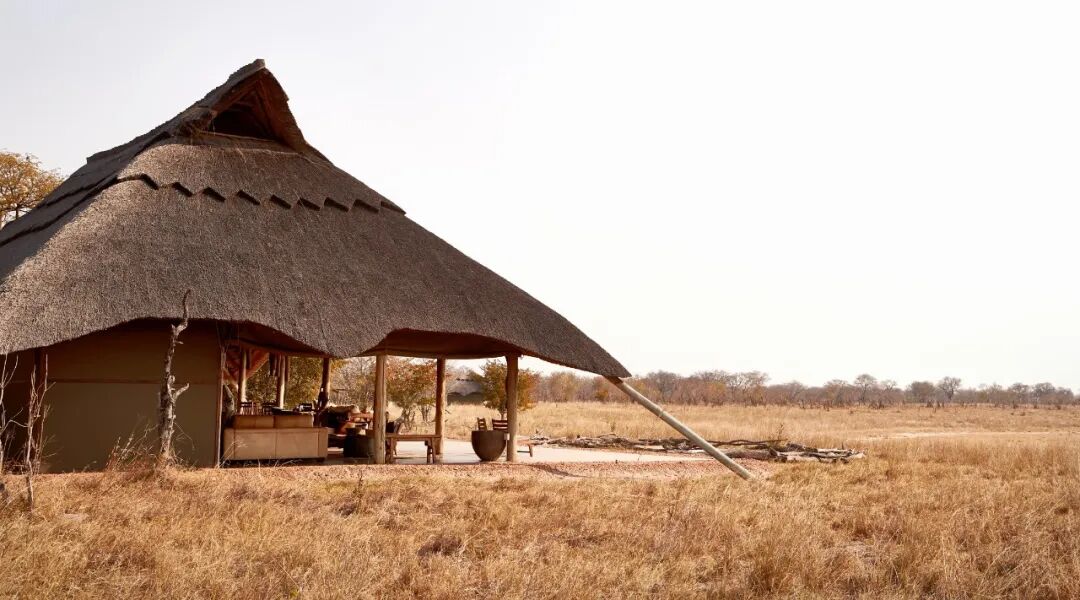
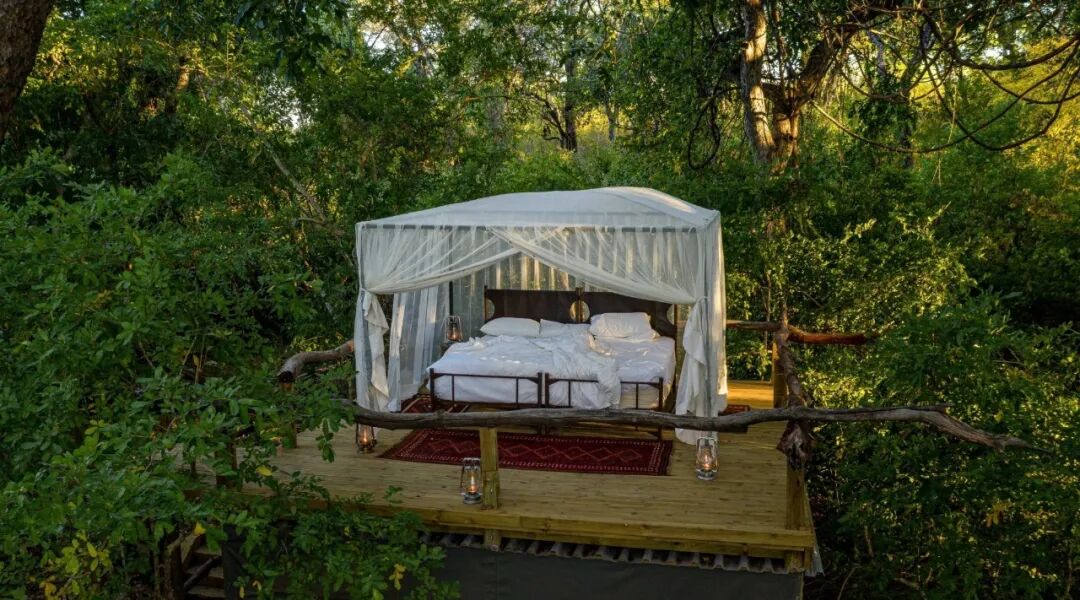
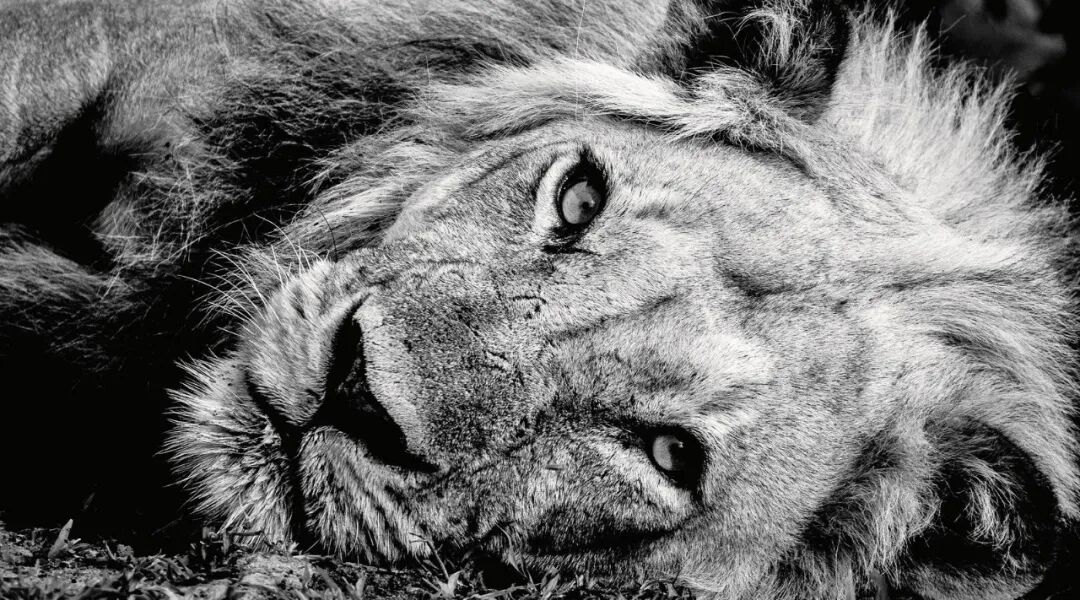
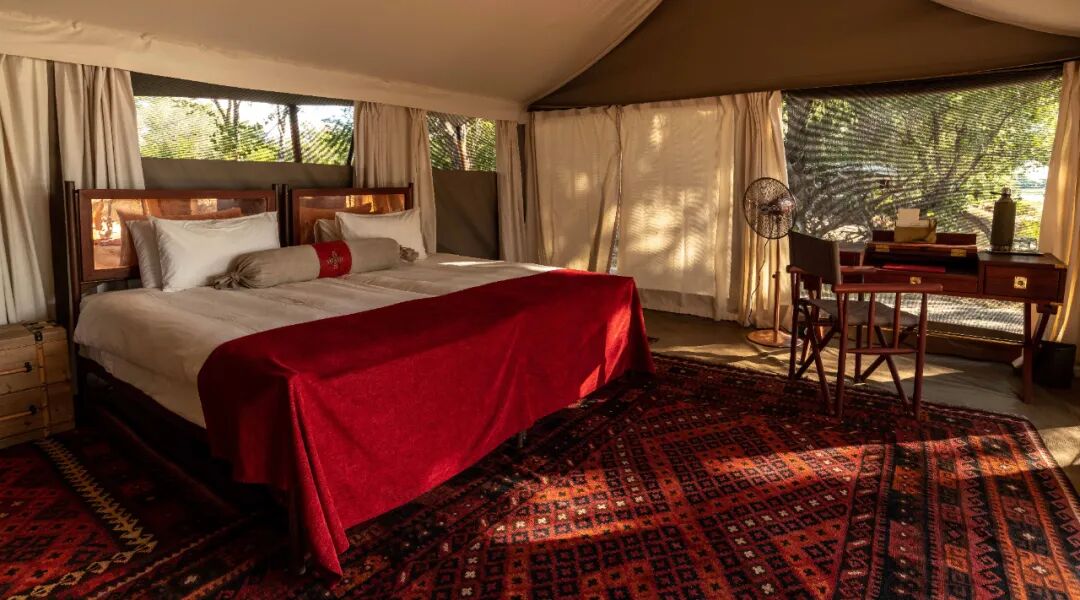 In 2017, the Zimbabwean military launched a coup, forcing the increasingly arrogant Mugabe, a six-term *, to resign. The new government quickly stabilized the social order, vigorously attracted foreign investment, and tourism became the pioneer of revival. Linkwasha Camp, where we stayed on this trip, is located in a private property in Hwange National Park, connecting the legendary Kalahari Desert with the open grassland full of giant termite mounds. Although there is no natural river, the pond formed by artificial underground water source still attracts herds of elephants and buffaloes, and elegant antelopes and majestic lions appear from time to time.
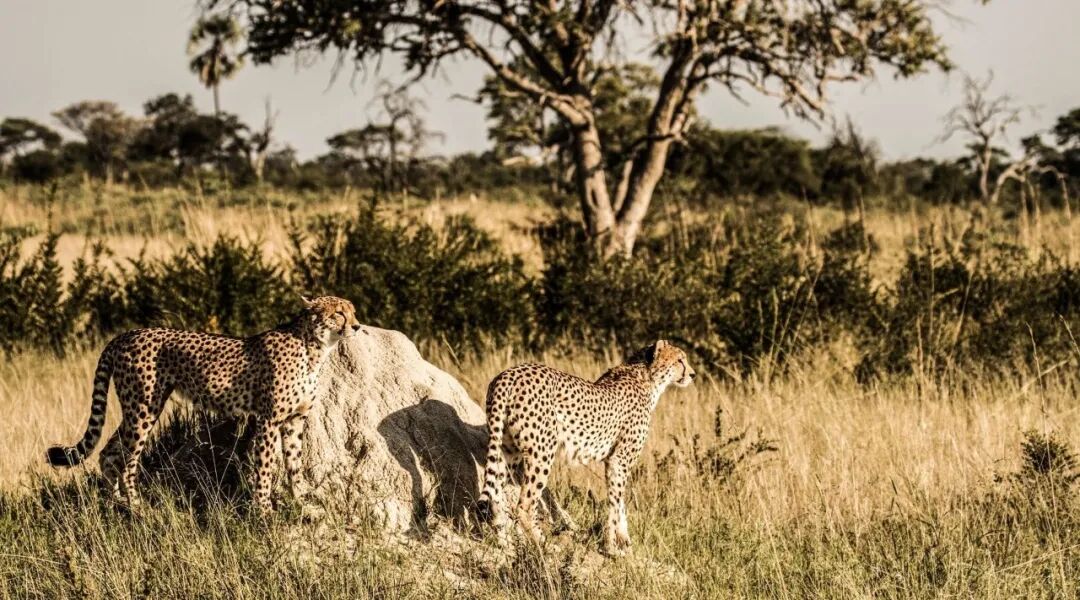
 On the first day of hiking, the guide told us about jungle knowledge and folklore: how wild basil can not only cure laryngitis, but also be used as perfume by women; How the fungus “commands” termites to collect leaves for it; How do plants resist termites’ gnawing? Near noon, we tracked the skull of a young zebra. According to the tooth marks, the guide judged that it died in the mouth of a cheetah.
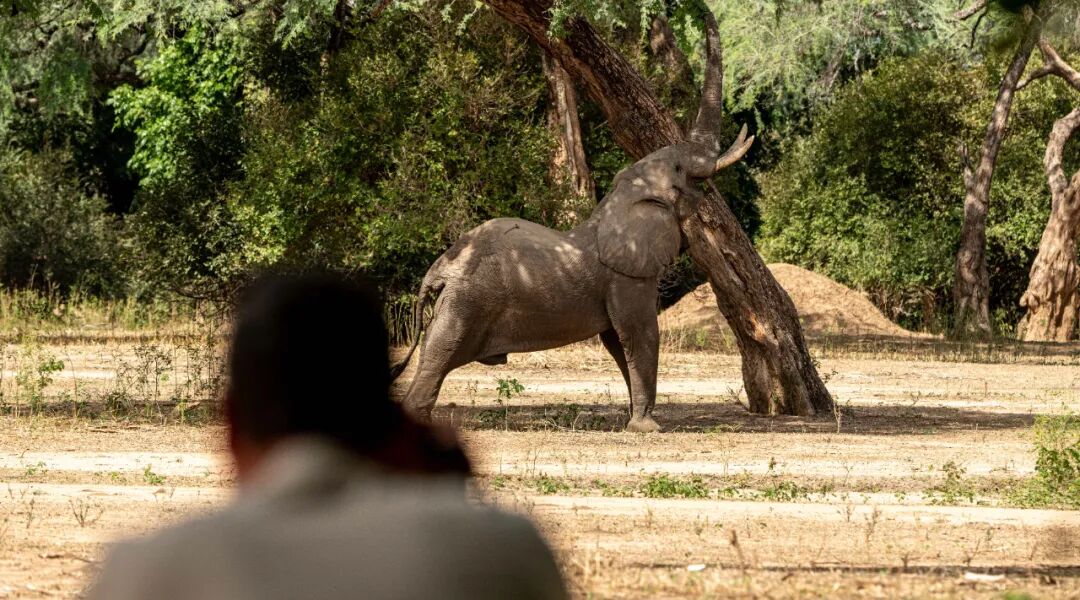
However, all this is not as memorable as what I saw the next day: a male elephant with high lust is scratching its belly with its huge penis. Although the male elephant is sexually mature at the age of 20, the female elephant is only willing to mate with the male over 30, which frustrates those young males whose testosterone has soared. Soon, the courtship male elephant began to chase a female elephant until she was annoyed and broke free, and we could still hear her angry warning sound in the distance.
On the first day of hiking, the guide told us about jungle knowledge and folklore: how wild basil can not only cure laryngitis, but also be used as perfume by women; How the fungus “commands” termites to collect leaves for it; How do plants resist termites’ gnawing? Near noon, we tracked the skull of a young zebra. According to the tooth marks, the guide judged that it died in the mouth of a cheetah.
However, all this is not as memorable as what I saw the next day: a male elephant with high lust is scratching its belly with its huge penis. Although the male elephant is sexually mature at the age of 20, the female elephant is only willing to mate with the male over 30, which frustrates those young males whose testosterone has soared. Soon, the courtship male elephant began to chase a female elephant until she was annoyed and broke free, and we could still hear her angry warning sound in the distance.
 Among all the national parks in Zimbabwe, the Gonare State National Park has the most spectacular elephant population. They live in the epic landscape of baobab woods intertwined with huge sandstone cliffs. Twenty years ago, American billionaire Paul Jones established the Malilangwe Reserve here, successfully restored wildlife populations, and built Singita Pamushana Wild Luxury Camp. The camp tourism revenue is used to provide meals for 20,000 local school children, and subsidize hospitals, agricultural irrigation and even solar power generation projects.
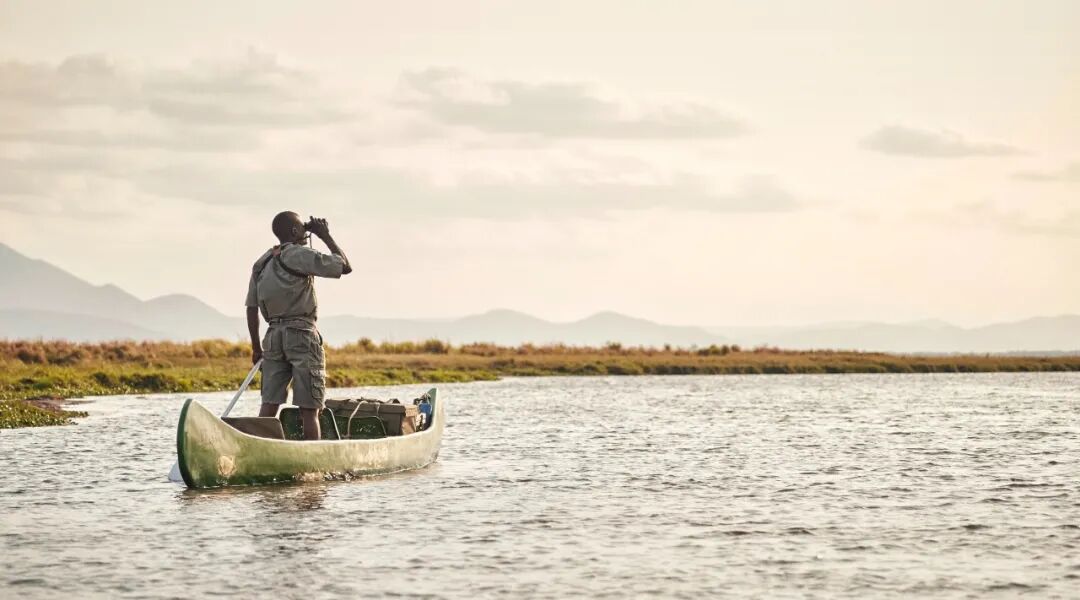
Then, we took a small plane to Manachi National Park, which is famous for boating lakes and hiking safaris. From the air, the hazy blue horizon is cut by the canyon; When landing, you can see crocodiles entrenched in the river rocks, ospreys flitting across the shoals for food, and elephants strolling in the verdant riverbank forests.
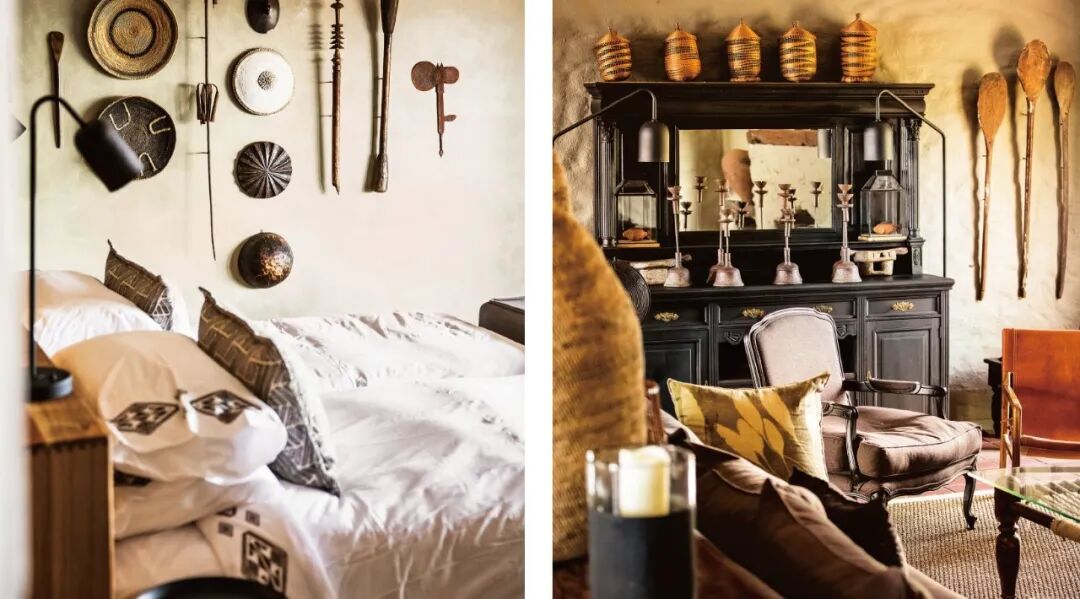
The camp here is not luxurious, but it is permeated with just the right amount of low-key and quiet. Tented rooms feature outdoor showers and terraces overlooking the lake. At dawn, a pale blue mist rose from the lake, caressing the surrounding woods, and from time to time there was the low roar of buffalo and hippo in the grass. At sunset, the sky burst with blazing scarlet and orange, gently immersing everything in the lake light.
Among all the national parks in Zimbabwe, the Gonare State National Park has the most spectacular elephant population. They live in the epic landscape of baobab woods intertwined with huge sandstone cliffs. Twenty years ago, American billionaire Paul Jones established the Malilangwe Reserve here, successfully restored wildlife populations, and built Singita Pamushana Wild Luxury Camp. The camp tourism revenue is used to provide meals for 20,000 local school children, and subsidize hospitals, agricultural irrigation and even solar power generation projects.
Then, we took a small plane to Manachi National Park, which is famous for boating lakes and hiking safaris. From the air, the hazy blue horizon is cut by the canyon; When landing, you can see crocodiles entrenched in the river rocks, ospreys flitting across the shoals for food, and elephants strolling in the verdant riverbank forests.
The camp here is not luxurious, but it is permeated with just the right amount of low-key and quiet. Tented rooms feature outdoor showers and terraces overlooking the lake. At dawn, a pale blue mist rose from the lake, caressing the surrounding woods, and from time to time there was the low roar of buffalo and hippo in the grass. At sunset, the sky burst with blazing scarlet and orange, gently immersing everything in the lake light.