The Secret Land of Shannan, Tibet | Kulagangri Snow Mountain Hiking 6-day Pilgrimage
Itinerary highlights:
① Visit the first ancient temple in Tibet, interpret the root and spread of Buddhism on the plateau in the 7 th-9 th century, and decrypt the ancient symbols in murals.
② Walk into Shannan Museum and have an overview of the changes of Xiangxiong and Tubo civilizations; Visit Minzhulin Temple, an ancient temple of Nyingma School famous for its calligraphy and Tibetan incense.
③ Go deep into the hinterland of Kulagangri Snow Mountain, take a two-day light hike, and listen to the natural echoes in the quiet valley.
④ Explore the holy land of Kagyu Sect on the border between China and China, and trace the rise, inheritance and influence of this sect in Tibet from 11 th to 15 th centuries.
⑤ Climb the 28-meter-high nine-story stupa, follow the footsteps of devout believers and turn along the cloister outside the tower to pray for blessings, and experience unique religious ceremonies.
Itinerary
Fly to Lhasa and pick you up to the hotel by special car. If the flight arrives before noon, you can arrange to visit Jokhang Temple or other relatively small temples and museums in the afternoon.
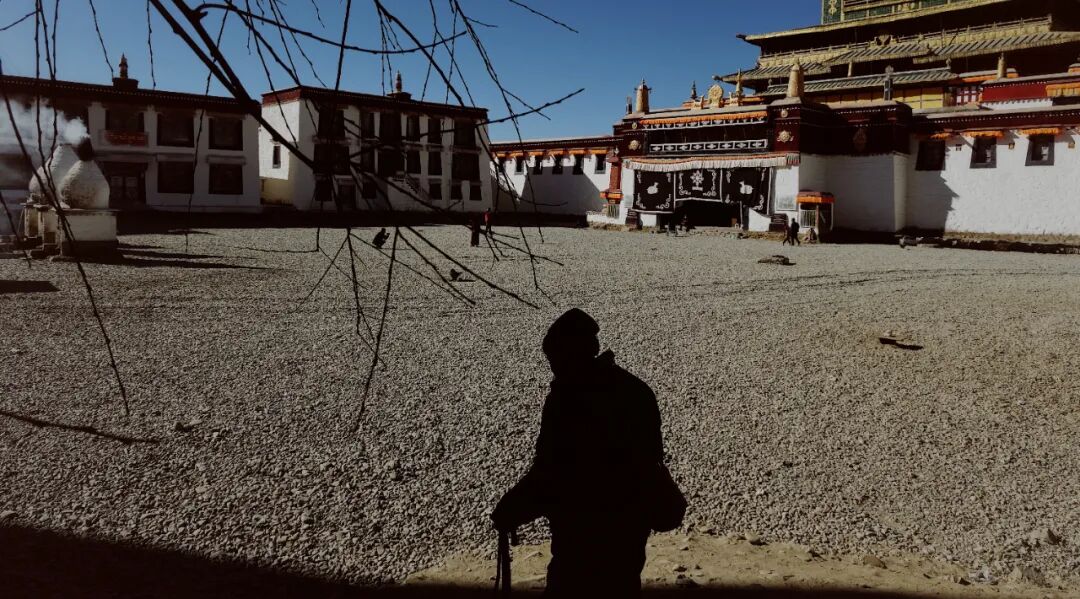
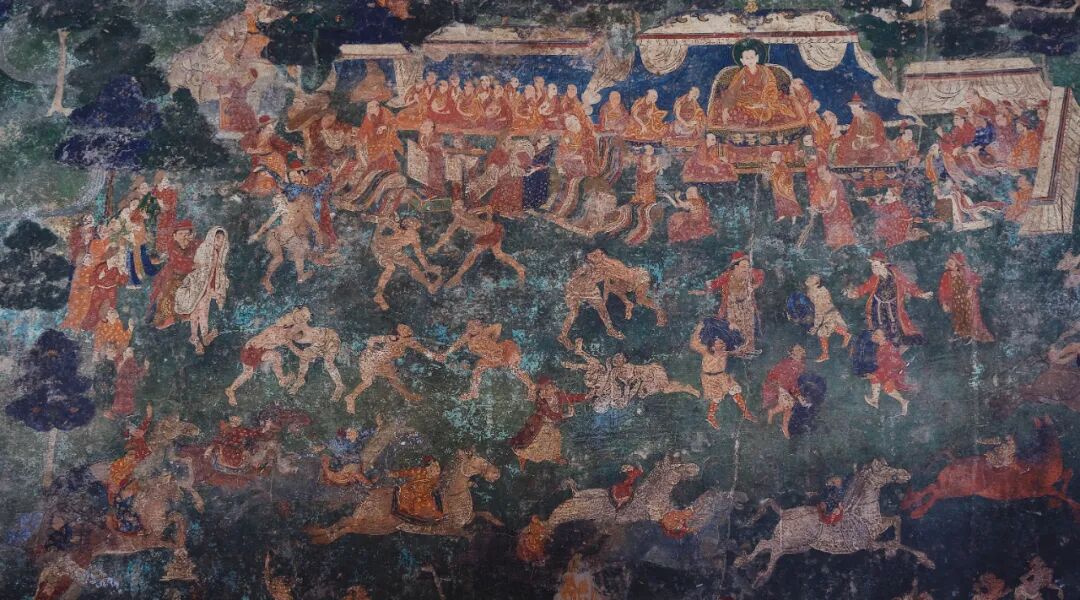
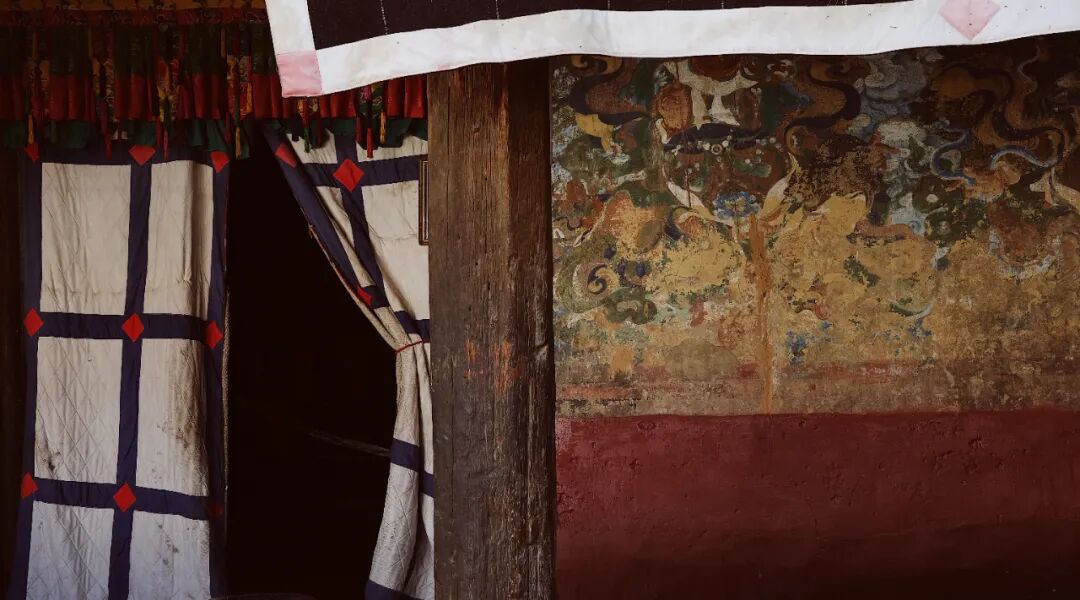
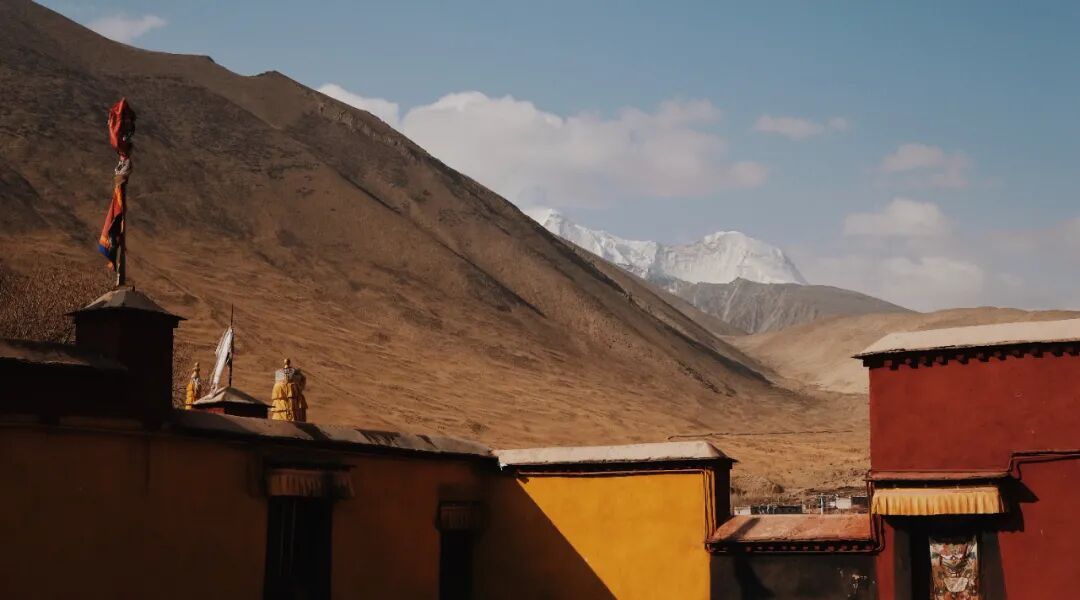
Drive along the Yarlung Zangbo River valley for about 2 hours to visit the first temple in Tibet with all the three treasures of Buddhism, Dharma and monks-Samye Temple, which was built at the end of the 8 th century. Its architectural layout follows the cosmology in the ancient Indian Buddhist scripture Chang Agama, integrating Tibetan, Han and Indian styles. Here, the guide will interpret the spread of Buddhism in Tibet in the 7 th-9 th centuries, decrypt the profound meaning of Tibetan secret instruments and mural symbols, and guide the identification of the main protector statues.
Day 3: Crossing southern Tibet: grasslands, villages, soil forests and watchtowers
Today is a long-distance landscape transfer day, and it takes about 7 hours to drive to the Kulagangri area. Although there are no fixed scenic spots along the way, the scenery scroll continues to unfold-wetland grasslands, quiet traditional Tibetan villages, colorful Danxia soil forests, towering snow-capped mountains and quaint watchtowers alternately appear, which is dizzying.
Day 4 Kulagangri Snow Mountain Trekking (Ridgeline and Holy Lake)
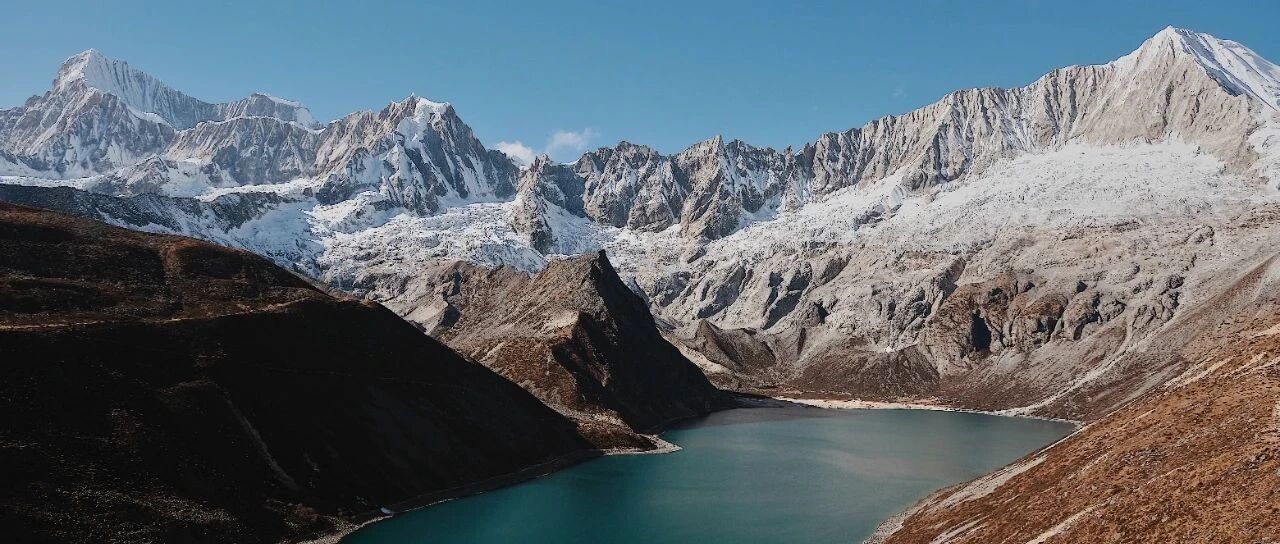
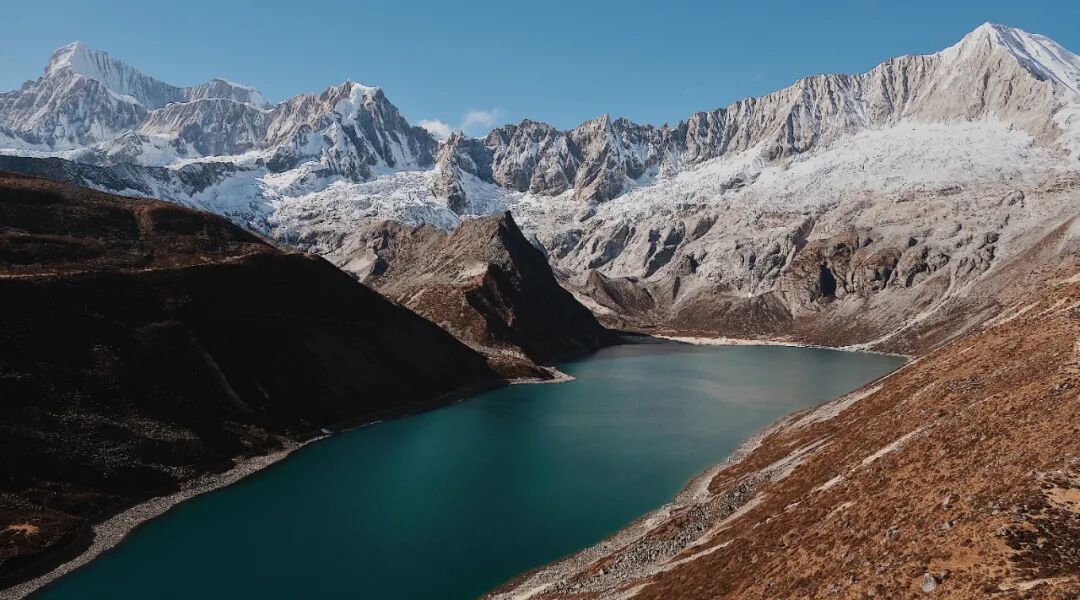
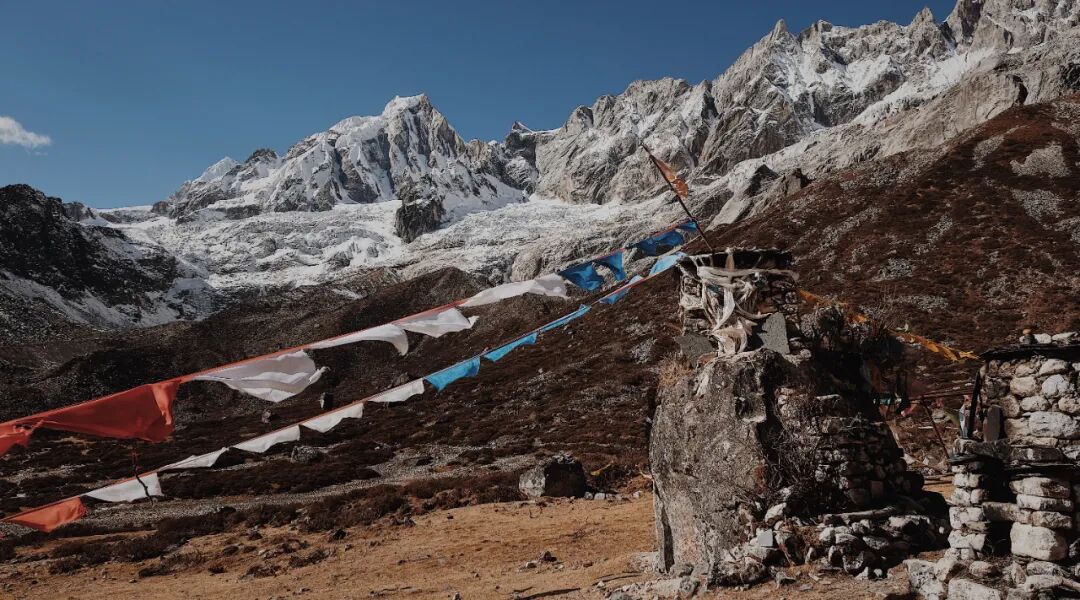
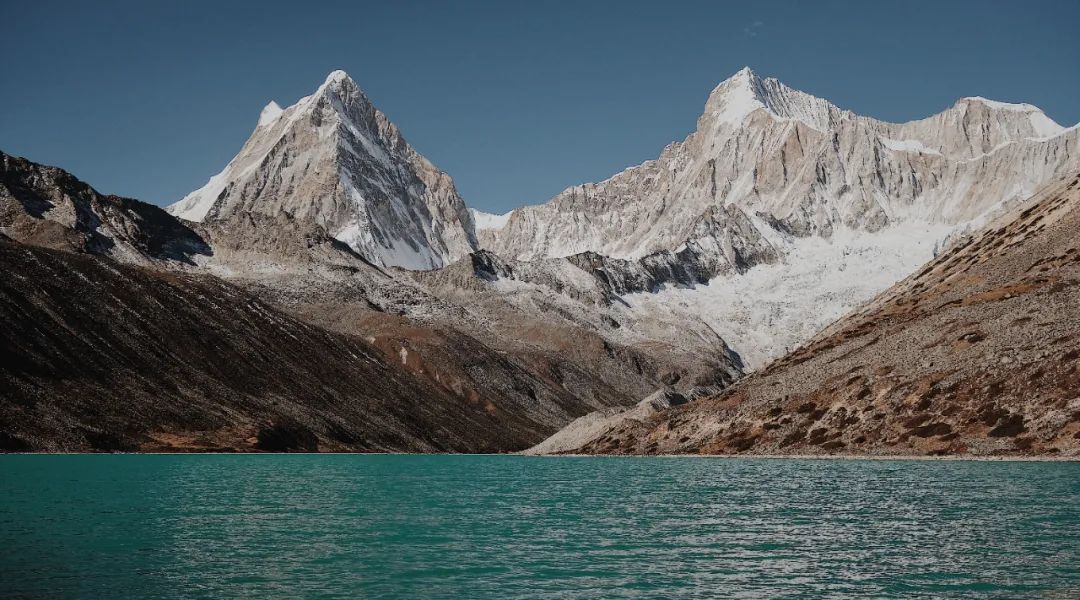
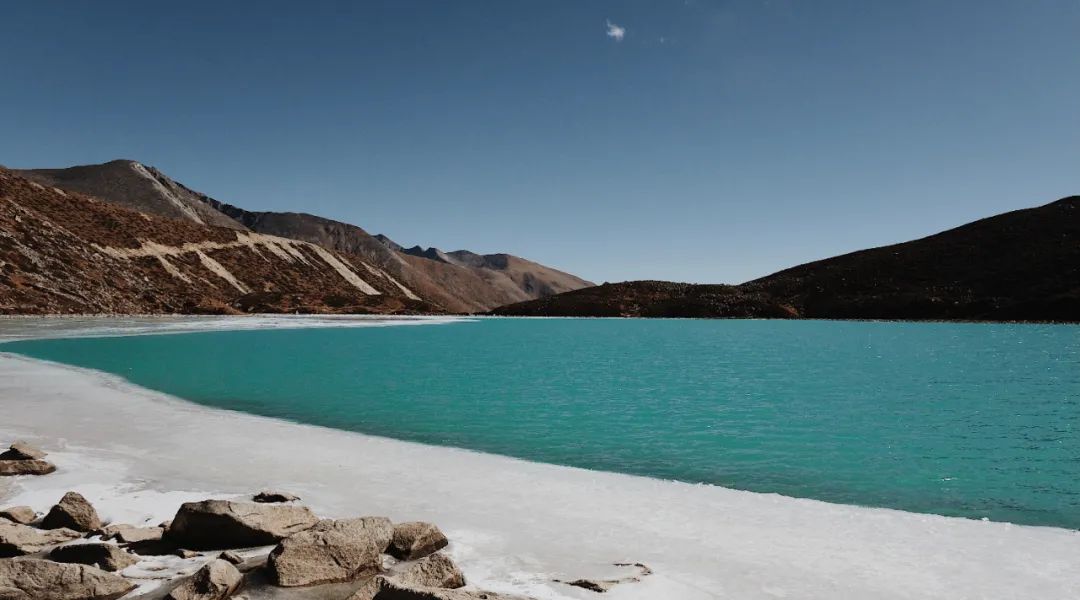
First, climb to the alpine meadow, overlooking the Kulagangri peaks. Then hike along the ridgeline and enjoy the continuous snow-capped mountains and the green lake at the foot. At the end, you can take a nap on the soft beach by the lake and listen to the wind in the valley. Looking up, you may find Master Padmasambhava’s practice cave hidden among the snowy peaks and cliffs.
◎ Hiking information: About 12 kilometers, with an altitude of 4500-4800 meters, and it is estimated to take 7 hours.
Day 5 Kulagang Day Walking with the Nine-Story Pagoda
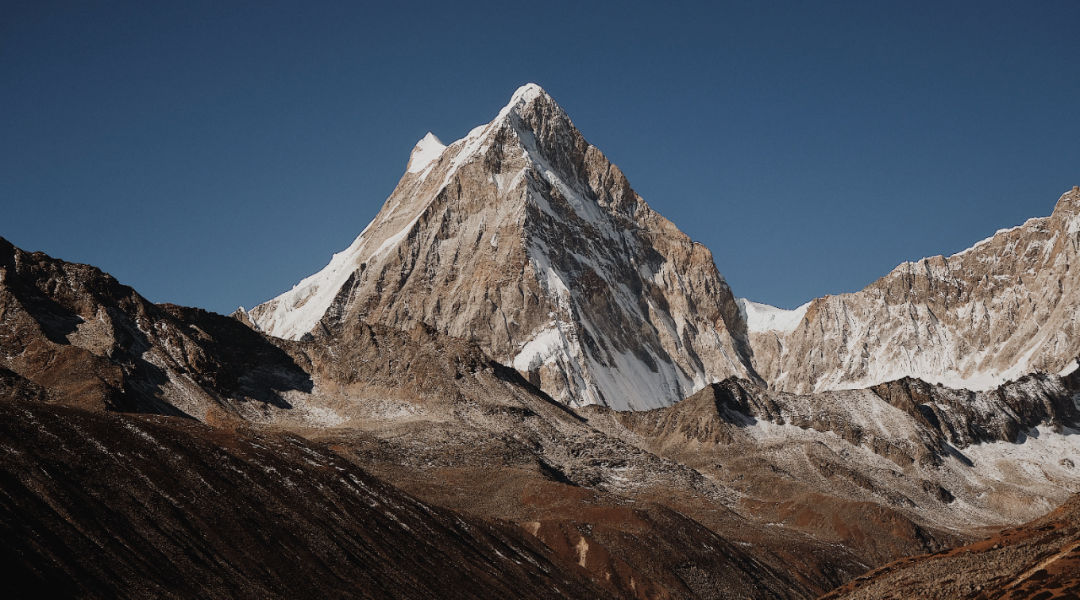
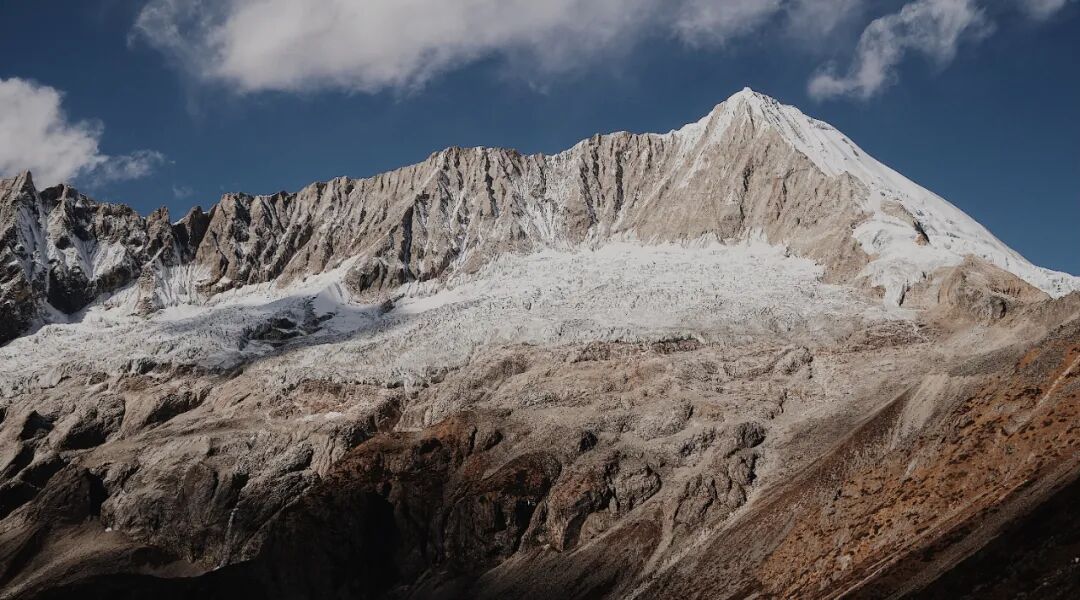
In the morning, it climbed along the alpine meadow to an altitude of about 4,800 meters, and then slowly descended along the gravel road. What unfolded in front of us were the sparkling plateau lake, the main peak of Kulagangri at an altitude of 7,538 meters and the Karijiang peak at an altitude of 7,221 meters.
After lunch bid farewell to Kulagang Day and visit the nine-storey stupa of Sankha Guto built by the Kagyu master Milarepa. The tower is 28 meters high and contains a large number of ancient murals. You can climb to the top of the tower with the believers, step out of the window, and turn along the narrow peripheral corridor, which is believed to be blessed for the afterlife. Inside the tower is the Mahagala Secret Chamber, which was sealed and protected during the turbulent period, with precious statues and religious artifacts.
If time and interest permit, you can stop by the Luozhuo Wolong Temple founded in the 11 th century by Marba, the patriarch of the Kagyu Sect.
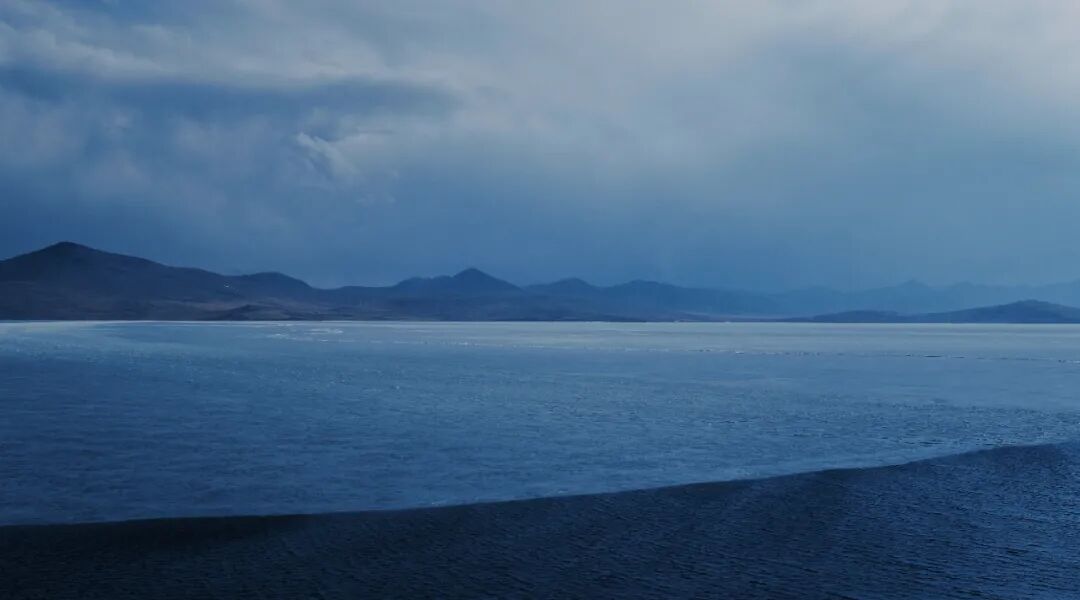
Day 6 Holy Lake Tour: Pumo Yongcuo and the east bank of Yamdrok Yongcuo
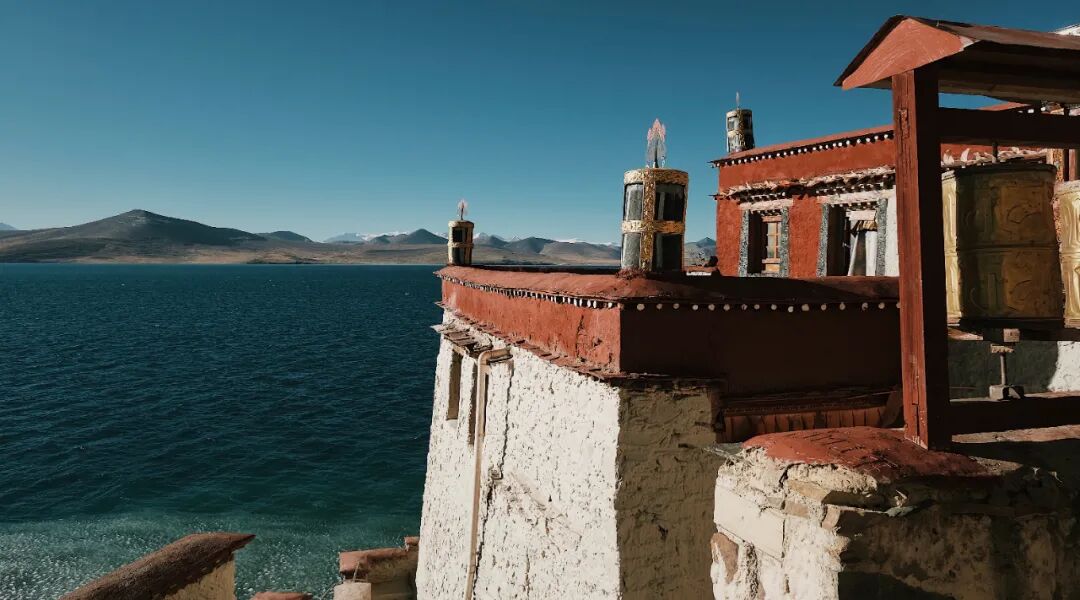
Today, it took about 6 hours to drive back to Lhasa. Along the way, we visited an ancient temple of Kagyu School with few tourists, the holy lake Pumo Yongcuo and the east bank of Yangzhuo Yongcuo, and had the opportunity to meet wild Tibetan gazelles.
The temple was founded in the 12 th century, and there are precious murals of the living Buddha lineage of “Black Hat” and “Red Hat” of Karma Kagyu School. The guide will interpret the development history of the Kagyu School from 11 th to 15 th centuries, the reason for the interruption of the reincarnation of the “Red Hat Department”, and the historical background of Gurkha’s invasion of Tibet during the Qianlong period of Qing Dynasty.

You May Also Like

When I arrived in Armenia, I realized that it was forbidden to hold cameras in subway stations, but the clear springs on the streets were generously available to everyone.
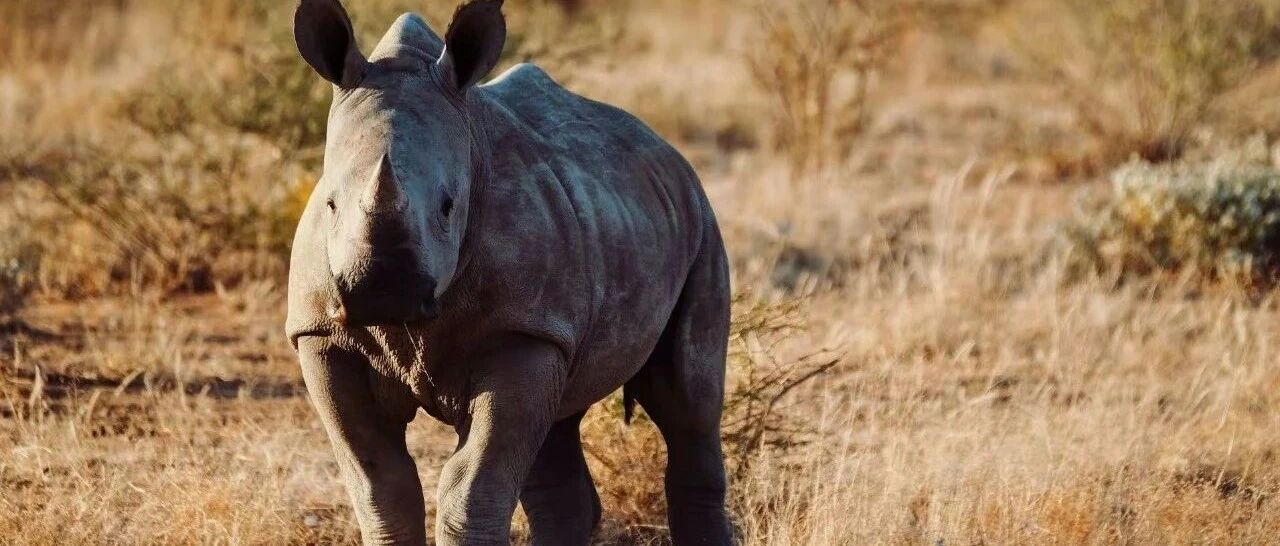
Wilderness Journey: 10-day in-depth exploration of Namibia’s desert and wildlife