Driving through rolling hills and farmland, a boutique hotel remodeled from the ancestral home of the Victor family in the 16 th century appears in front of us. It is less than 2 kilometers away from the Cantabrian Sea, and the fishing village where it is located has only more than 200 residents, but it is famous for producing high-quality anchovies.
Victor’s ancestors were explorers in the Age of Navigation, who once traveled to Mexico. This family history also left a strong Central American mark on the restaurant’s cuisine. A tall palm tree stands proudly in the garden, which is the “relic of the conqueror” brought back by our ancestors from the New World. Walking into the restaurant along the glass corridor, there is a warm golden halo flowing inside, and you can overlook the mountains outside the window when dining-this is undoubtedly the perfect prelude to this food journey.
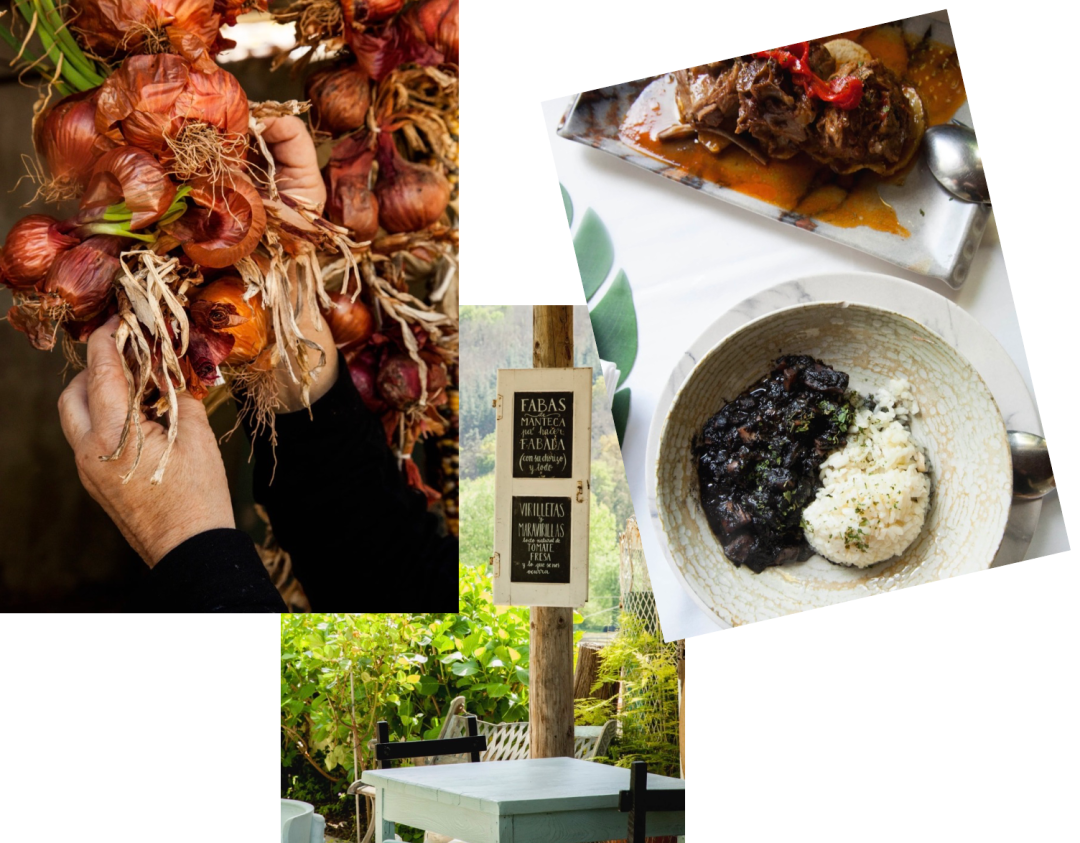
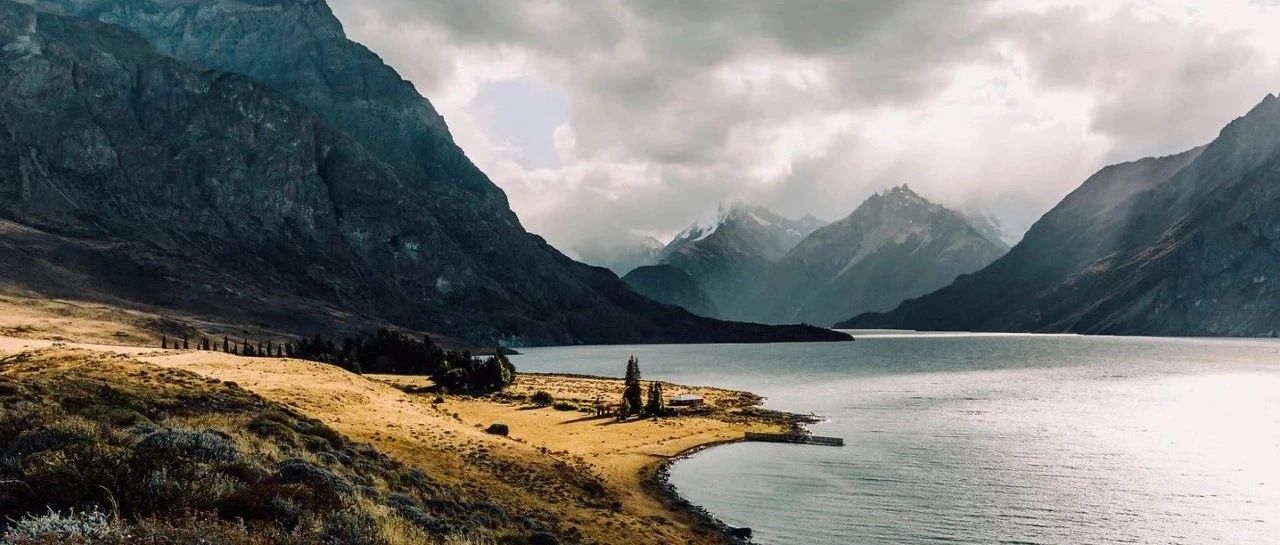
Not far from the hotel, the Nalon River, the longest river in Asturias, winds, and its banks are dotted with quaint villages and hiking trails. The mild and humid climate nourishes lush crops. During the day, strolling along the forest path to the small restaurant in Saint-Romain Village, the proprietress with dyed pink hair will smile and bring steaming “Fabada”-a traditional delicacy stewed with chestnuts and pasta beans.
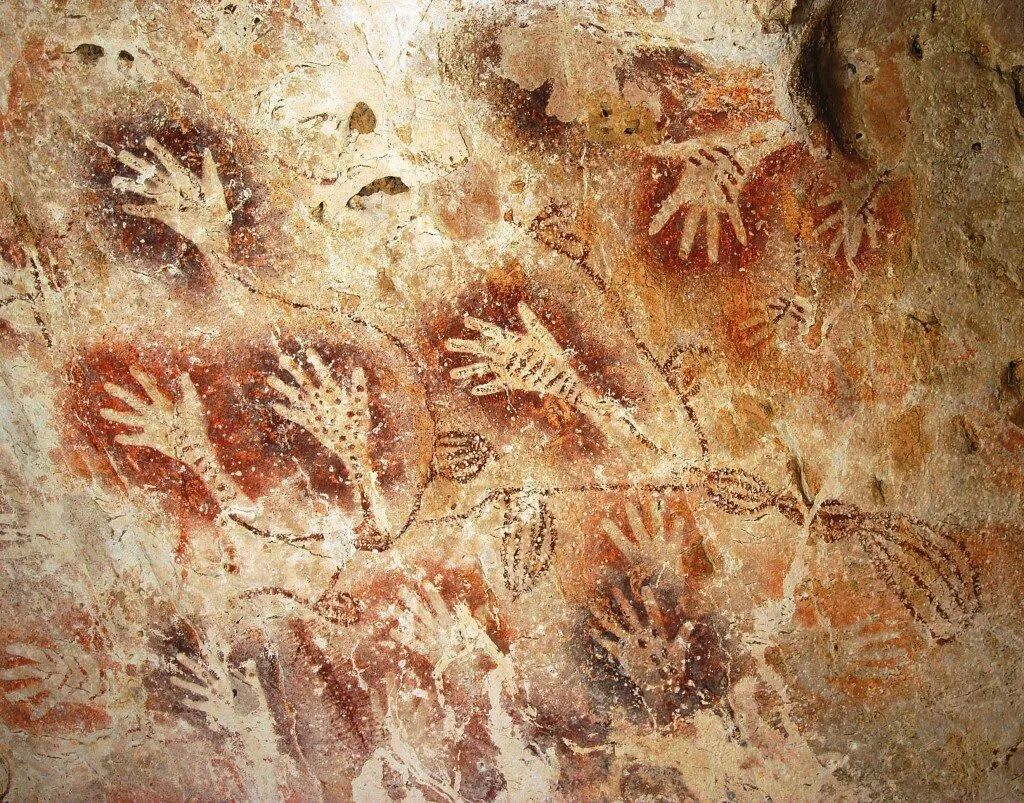
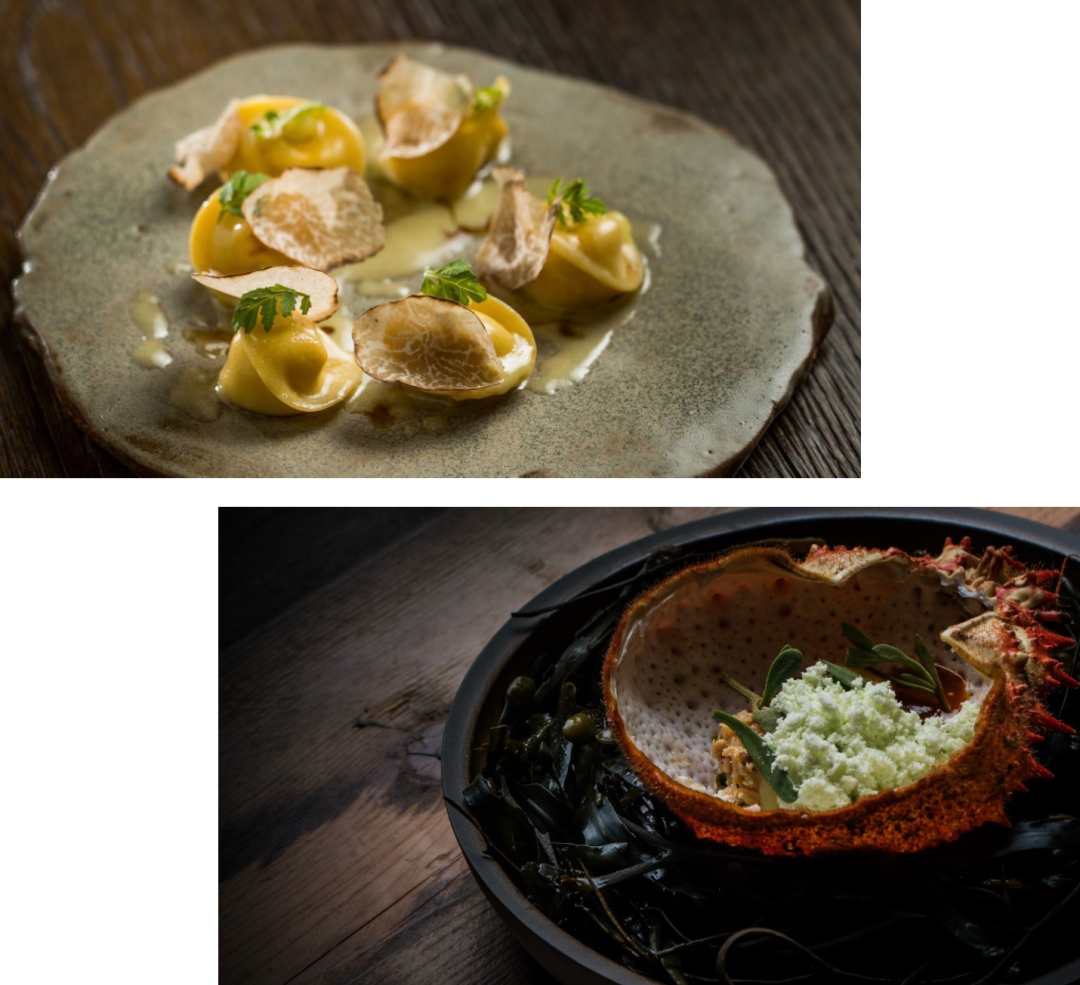
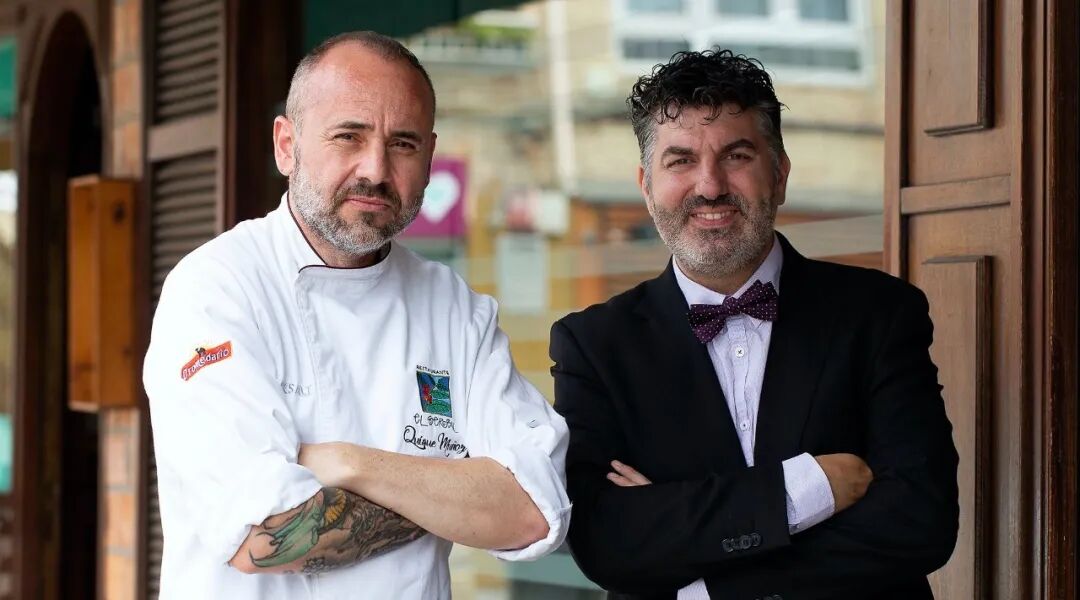
In the afternoon, continue driving along the magnificent coastline to explore the Castillo Cave frescoes painted 40,000 years ago. When the late Homo sapiens first arrived in Europe, he showed a superb talent in depicting reality in abstract images through animal and handprint modeling. For dinner, move to El Serbal, a Michelin-starred restaurant overlooking the white sand beach and waves, and taste the exquisite tasting menu with its selection of table wines in collaboration with Moet & Chandon Champagne.
The next day, we officially entered the Basque Country. This land is like a secret place of modern commercial society. The natural scenery is green and simple, the breeze of the Atlantic Ocean brings fresh air, and the river rich in trout plays the sweet sound of water. The village was spotless and flowers poured down from the balconies of the wooden cabins. San Sebastian, the capital, combines surfing, modern art architecture and rich nightlife charm. The shadow of terrorist organizations in the mid-20 th century has long since dissipated.
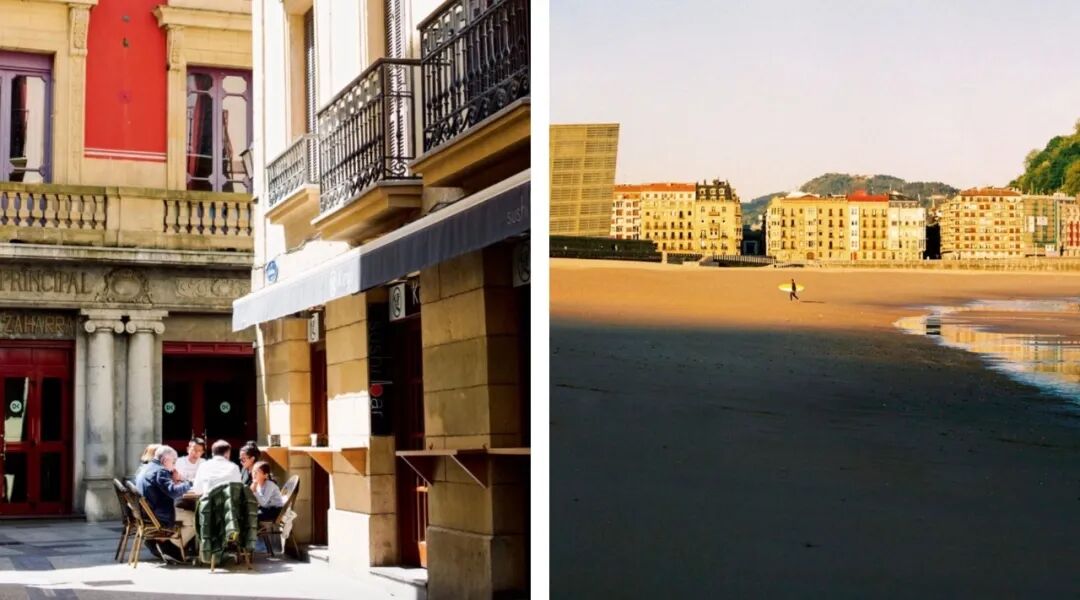
Basque ancestry is still an unsolved mystery in Europe- Or from the Berbers or from the Caucasian tribes, no one knows for sure. What’s more unique is that their language is not related to any other language family in Europe. Basques are famous for their martial spirit, and their society traditionally has no kings, only lords. It is this seemingly simple social structure that successfully resisted the conquest of Romans, Moors, Charles the Great and even Franco. Even when the land was occupied, Basque culture was never assimilated.
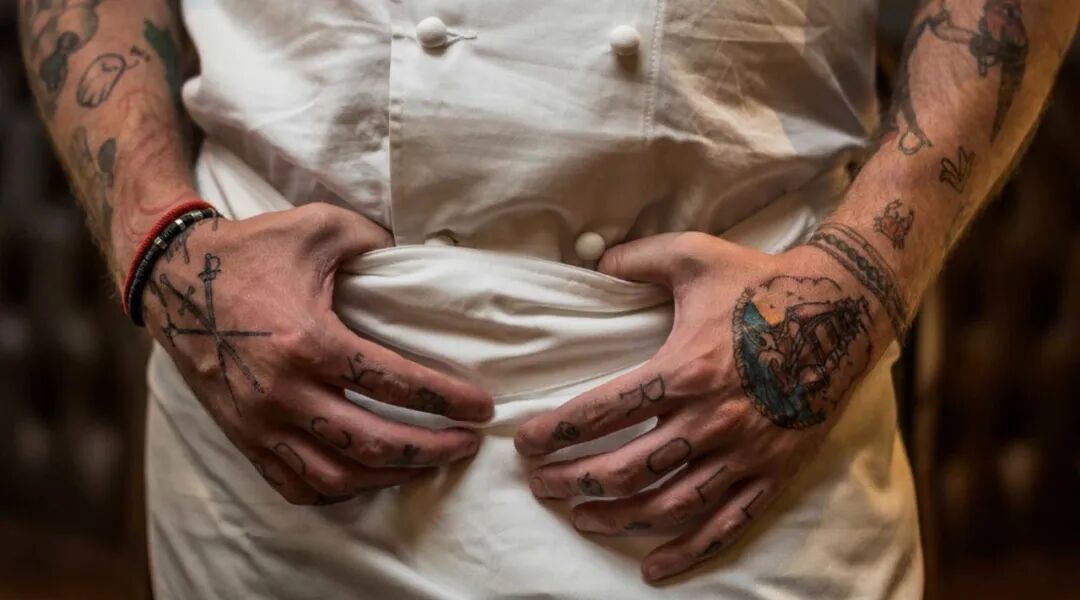
Amelia, a two-star Michelin restaurant, is full of meat and seafood dishes, and its interior is decorated with Star Wars-themed artworks, echoing with metal melodies. The chef was born in an Italian immigrant family in Argentina. Since the age of 18, he has traveled around the world, blending flavors from all over the world, but he only refuses to cater to the popular vegetarian trend and sticks to himself in tolerance.
The Basque landscape combines the greenery of Ireland with the lush lush of Finland but Rioja It’s an exception. Here, the sun is blazing, the trees are sparse, and the vineyards are carefully cared for like babies. Legend has it that the earliest vines were brought by Noah’s nephew, but for a long time they were only fresh. Until the mid-19 th century, the phylloxera disease destroyed vineyards in Bordeaux, France, Rioja’s unique terroir Only then did it really enter the world’s field of vision.
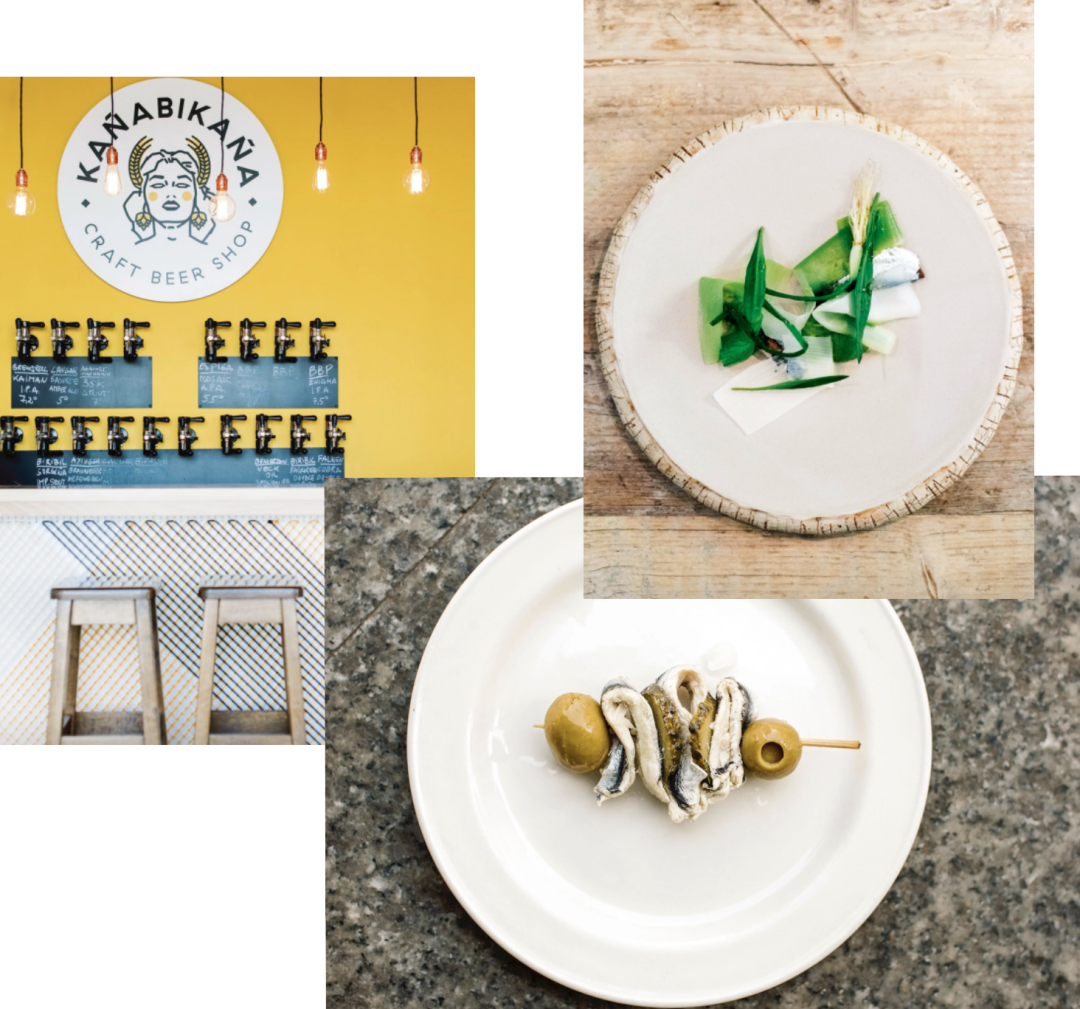
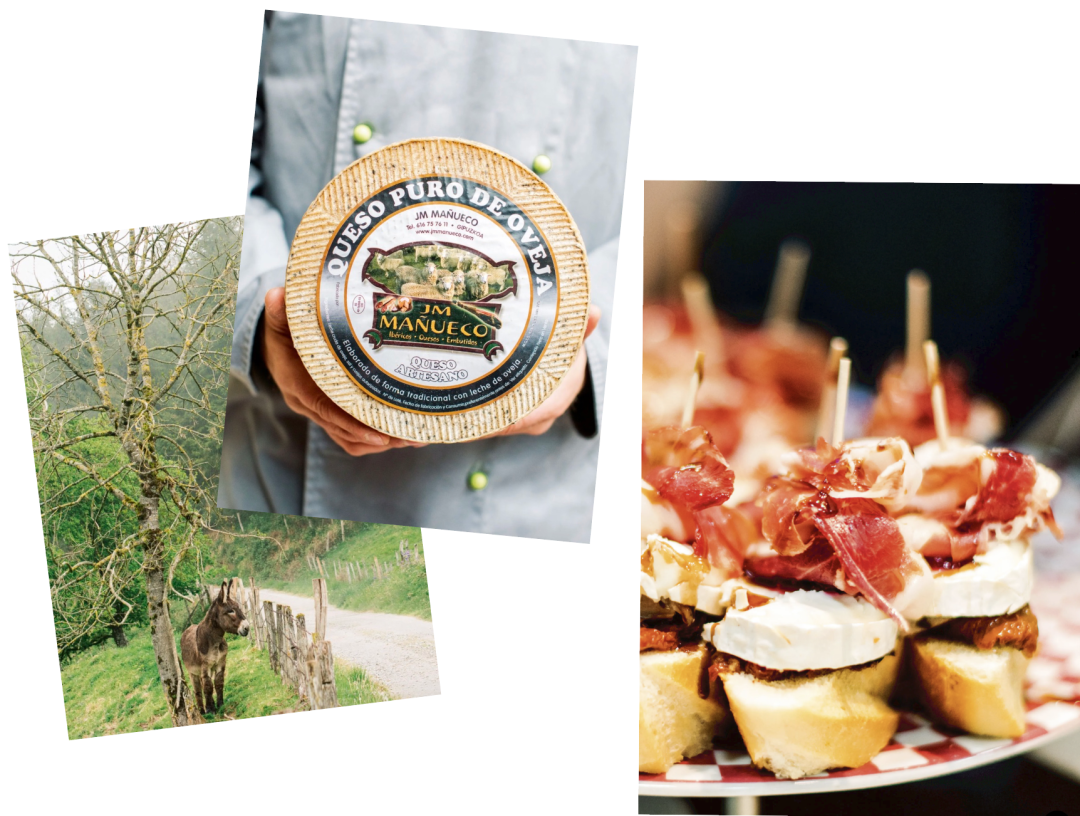
A diplomat living in France brought Bordeaux Cabernet Sauvignon back here, and now it produces 5 million bottles of Regel wine every year. Today, the hotel designed by Frank Gehry, architect of the Guggenheim Museum in Bilbao, rises from the vineyard. The building is composed of pink, gold and silver titanium curves, which not only echoes the color of wine bottles, but also reminiscent of the swirling skirts of flamenco dancers. And deep in the Basque highlands, The Euskadi region is famous for its cider and cheese. We spent the night in the medieval village of Segura, with sunflowers hanging from the lintel of the stone house to repel witchcraft. The locally produced Idi Azabal cheese is one of the cheeses with the strictest quality control in Europe, attracting many Michelin chefs.
Facing the convergence tide of globalization, How do Basques stick to their self-identity? Why are Basque young people happy to stay in their homeland when other rural people flock to cities? The answers vary, such as “family above all else”, “we value privacy and are loyal to things”, “we don’t have a king, the business model is not a company but a cooperative, we compete but on the premise of equality” … The driver took a bite of the cake and echoed: “A little dry, not too sweet, just like us.” Perhaps, it is these simple traits that forge the tenacious vitality of Basque culture.