Leapfrog discovery: Anatomy of the original “box” design of the new Angkesela, a record of an efficient Feishi three-way frequency upgrade
After experiencing the practice of audio modification of many models, we discovered a surprising acoustic design concept that surpasses its peers for the first time in the new Angkesela. The physical structure of its original car audio system shows that it attaches great importance to the foundation of sound quality, and the integrity and rationality of its design even surpasses many luxury brand models with higher prices at the basic level. Although the level of speaker units configured in the original factory is limited, its core advantages are:The mid-range unit and the mid-bass unit are arranged in the special acoustic box with independent structure and calculated volume。 This forward-looking engineering design not only lays a solid foundation for the sound performance of the original car far exceeding that of models in the same price range, but more importantly, it reserves great potential for the car owner’s sound upgrade in the future-because it has essentially set up an ideal “working stage” for higher-quality speaker units in advance, greatly simplifies the process complexity of later deep modification, and ensures that the upgraded effect can reach the theoretical best state.
Next, we will analyze in detail with all car enthusiasts and audio enthusiasts how to tailor a set of sound quality, resolution and atmosphere based on the excellent acoustic structure foundation of this new Angkesela. Surpass the original sound system.
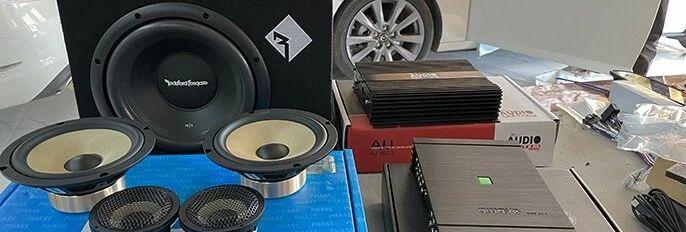
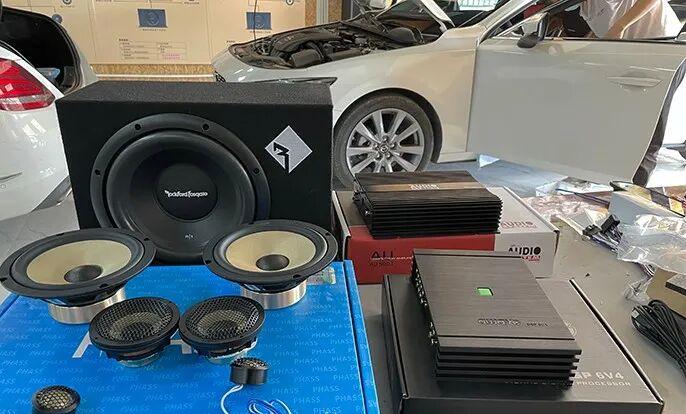
Physical appreciation of the equipment of this core upgrade package
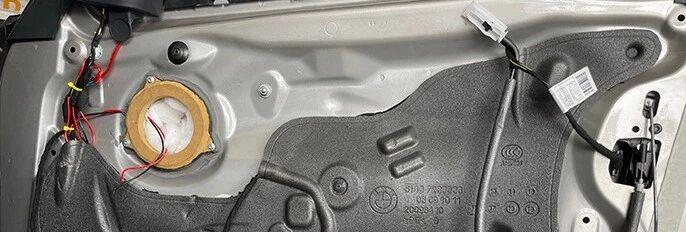
The most commendable thing about the original car’s design is that the woofer unit is located on the left and right sides under the instrument panelIndependent enclosed box。 This installation position has significant acoustic advantages: it effectively avoids complex resonance and standing wave interference in the door cavity, allowing sound waves to be transmitted to the passenger compartment more directly and clearly, and the position design is scientific and reasonable.
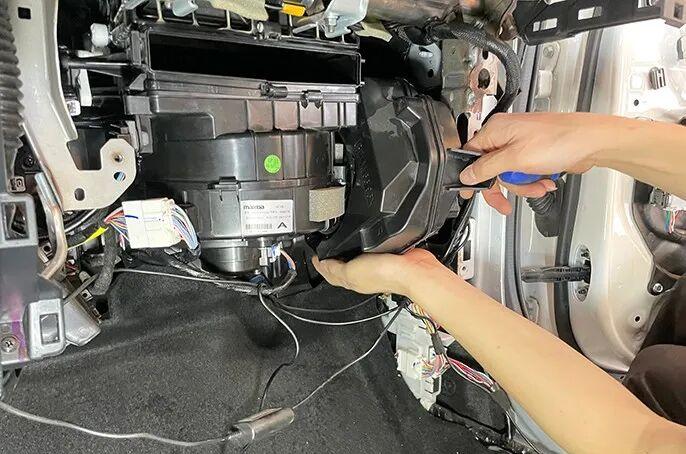
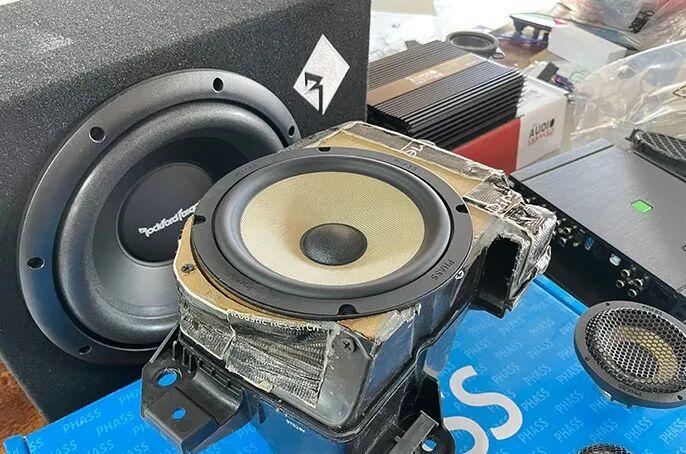
After disassembling the original cabinet, we found that a 5.5-inch mid-bass unit was used inside. This is most likely the optimal size choice made by engineers in the limited space beneath the instrument panel. We plan to upgrade to a 6.5-inch mid-woofer unit of the Japanese PHASS brand, which only requires precise reaming and edge reinforcement of the installation opening of the original box to achieve perfect adaptation and installation.
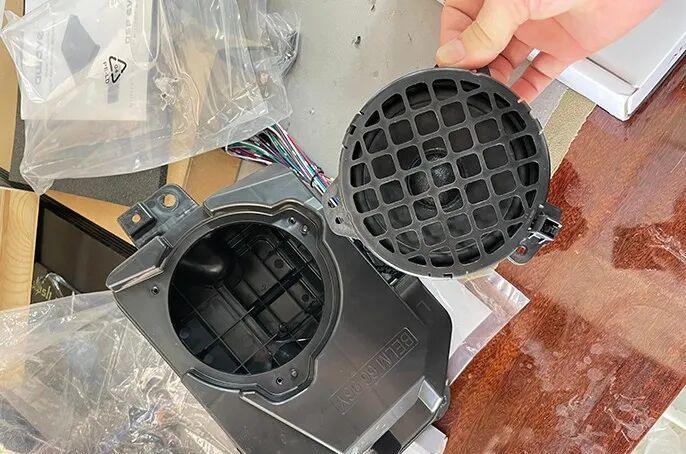
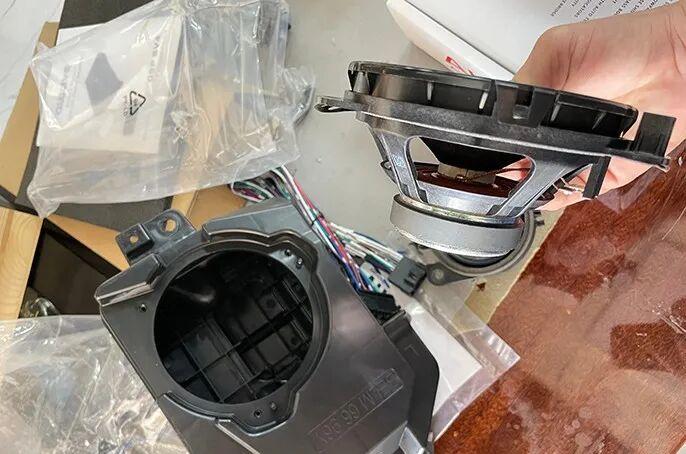
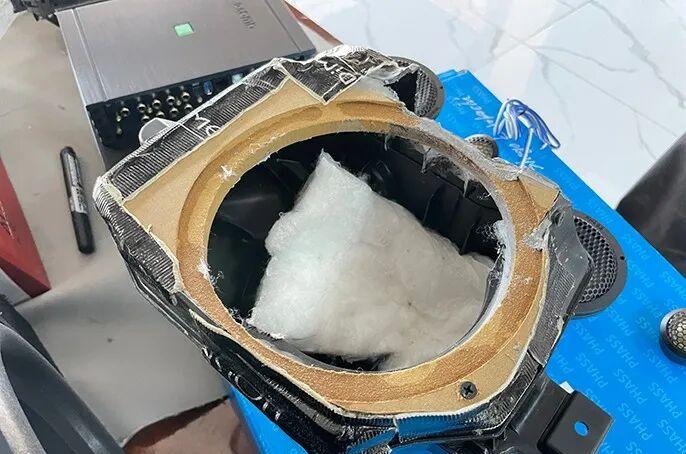
The Japanese Feishi 6.5-inch mid-bass unit, after fine trimming and installation, is the final effect after being perfectly embedded in the original independent box. Better diaphragm materials, magnetic circuits and suspension systems will be completely released in this ideal acoustic environment, bringing a fuller and more submersible low-frequency response.
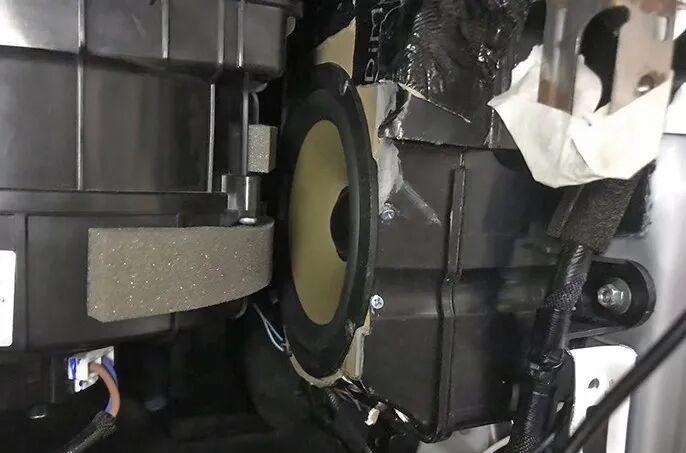
Let’s turn our eyes to the doors. The midrange unit of the original car is also not simply fixed to the iron sheet of the door panel, but is embedded in aIndependent plastic acoustic cavityThis once again reflects the manufacturer’s intention to suppress resonance and pursue sound purity.
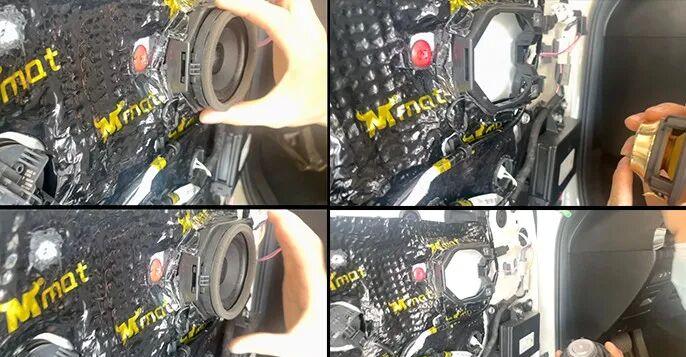
Thankfully, the installation aperture of the midrange unit of the original car is exactly the same as that of the Feishi midrange unit we selected. This makes this upgrade trulyNon-destructive in-situWithout any destructive changes to the door structure, the integrity and value of the vehicle are retained to the maximum extent.
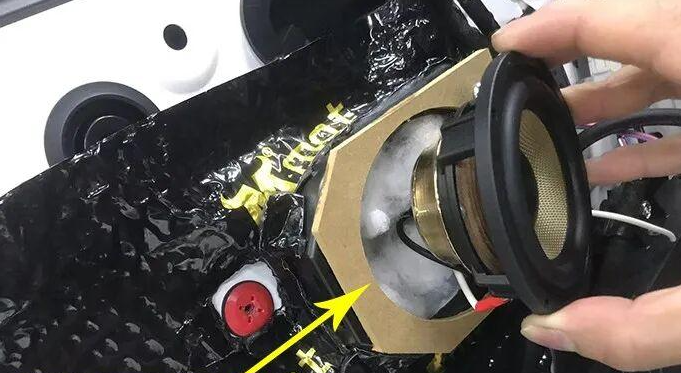
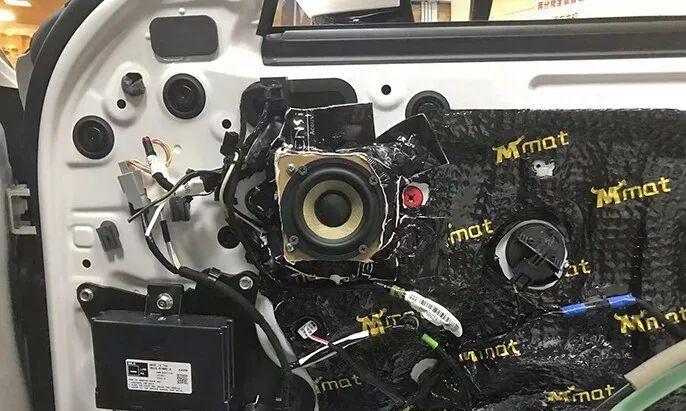
Feishi’s tweeter can also be accurately installed in situ at the position of the door triangle trim panel, and the entire replacement process is smooth without modifying the original car parts.

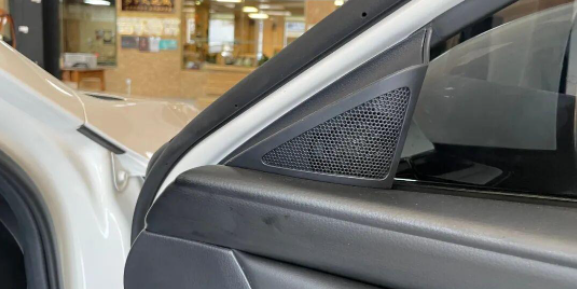
The midrange and tweeter units in the door area are all installed and the overall effect of the interior panel is restored, completely following the high-standard construction principle of “invisible upgrade and visual damage”.
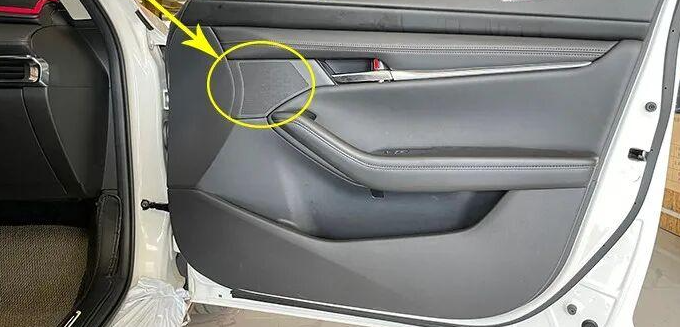
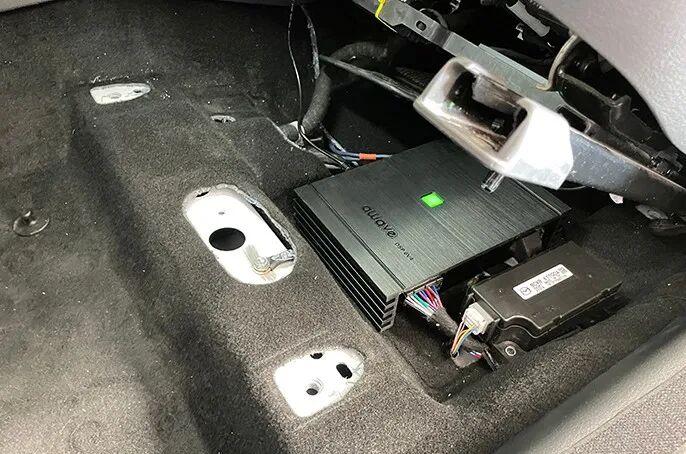
Front sound field This Feishi three-way system (including treble, midrange, and midbass) is powered by an Aiwei DSP-6 V 4 power amplifierActive frequency division mode independent drive。 The device integrates a high-performance digital signal processor and a multi-channel power amplifier, which can perform independent delay calibration, precise balance adjustment and accurate frequency division point setting for each speaker unit, thus building a stereo sound field with distinct layers and accurate positioning.
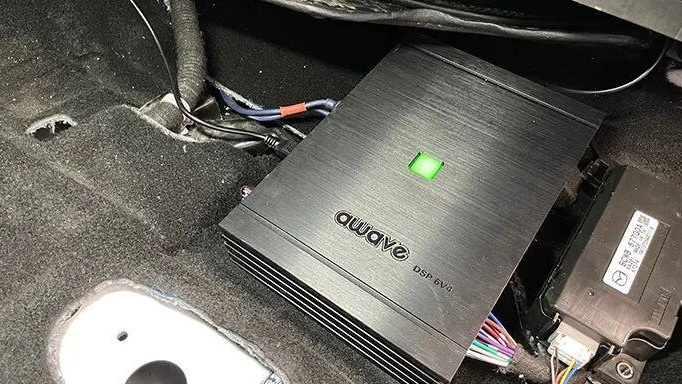
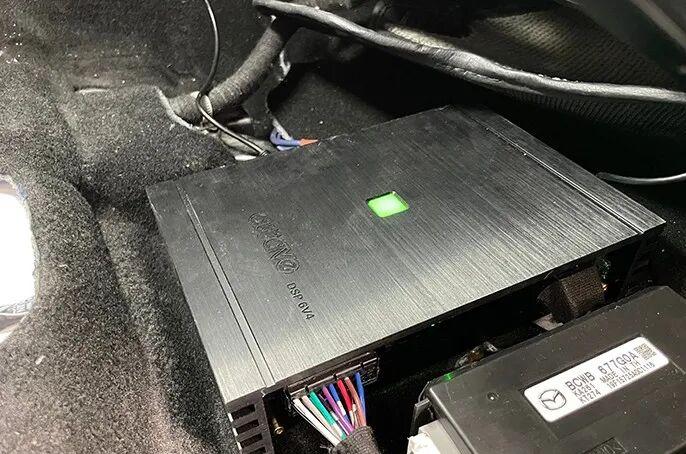
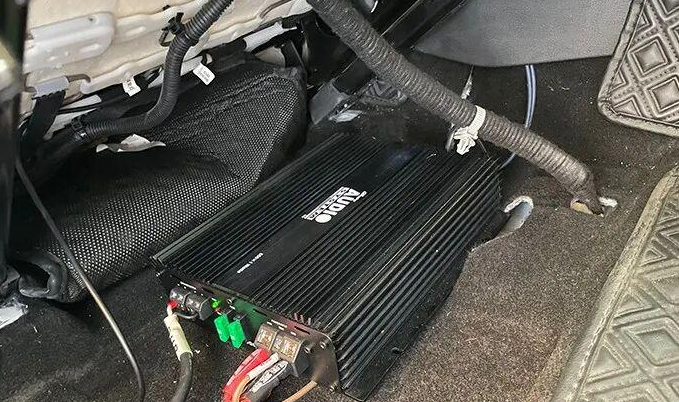
The American Laifu single-channel power amplifier, which is specially used to drive the subwoofer unit, is cleverly placed under the main driver’s seat by hidden installation method, which not only ensures efficient heat dissipation, but also does not occupy precious riding and storage space in the car.
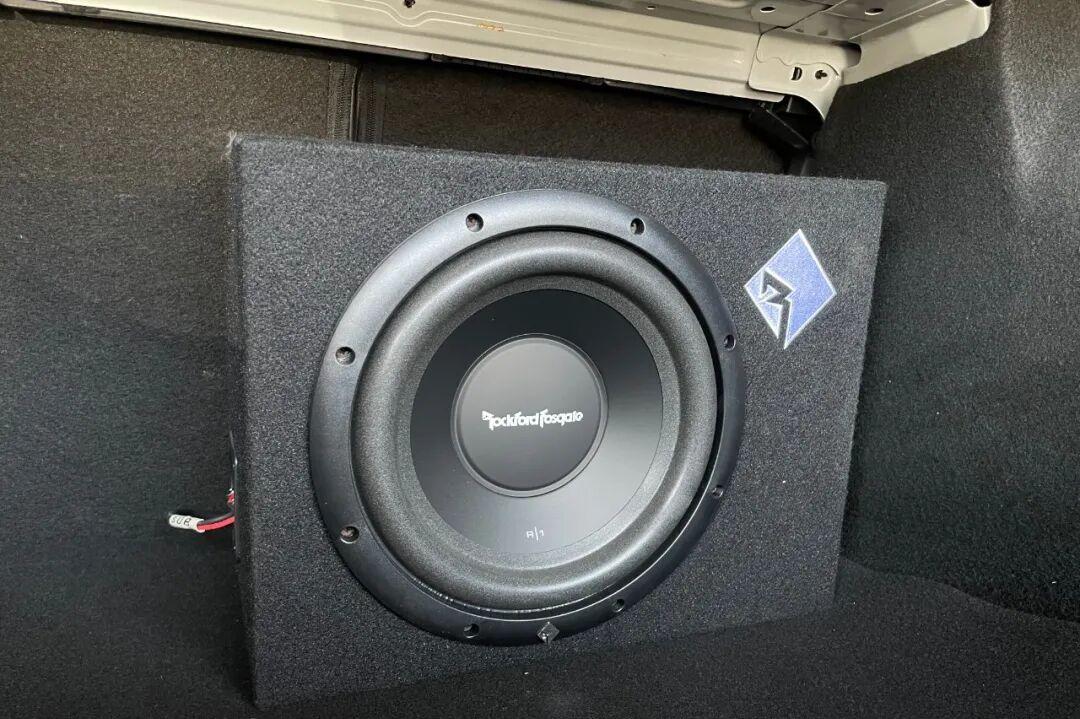
The American Laifu ten-inch subwoofer, which is responsible for supplementing the extremely low frequency and shocking effect, uses the finished box carefully adjusted by the original factory and places it in the trunk to provide a solid and elastic low-frequency base for the entire sound system.
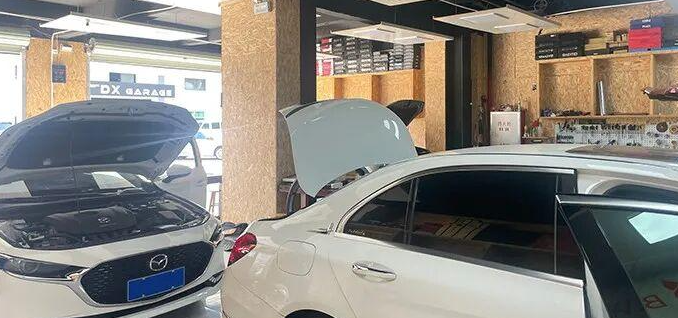
After careful listening and debugging by professional acoustic measurement equipment and tuners, the final sound performance of the whole system has reached a high levelBalance and sense of integrity。 The connection between the subwoofer and the middle bass in the front sound field is smooth and seamless, without any disconnect or abruptness-this is largely due to the fast and clean low-frequency transient response brought by the independent cabinet of the middle bass in the front sound field. Vocal restorationReal and emotional, the singer’s voice texture is clearly discernible; The shape and sense of various musical instruments are well-defined and the positioning is stable. The overall sound style is warm and durable, and you will never tire of listening for a long time. This is exactlyA high-quality sound system with high degree of completion and wide adaptability to musicThe core characteristics it should possess also fully realize the huge upgrade potential given by the excellent acoustic structure of the original Angkesela car.

You May Also Like
Breaking through the traditional acoustic architecture: Crown Car customizes Aiwei’s top two-way active system

The Art of Space and Energy: Mitsubishi Outlander Seiko Customized American DD 8-inch Subwoofer Complementary Box Case