BMW 320 Li audio modification template: Japan’s Biwei AM three-way textbook-level installation brings good sound quality and details to your face
In the world of car audio modification, top hardware equipment is often hailed as “semi-finished products” by the industry. The final performance of a system, its soul is not completely determined by the brand and model of the equipment, but by the modification means and tuning art that give it life. Only by relying on exquisite and scientific modification technology as a solid foundation can we set up an ideal stage for subsequent precise tuning, so that the tuner’s skills can be fully exerted. This requires the modifier not only to have profound hands-on ability, but also to have a thorough grasp of the electrical parameters, acoustic characteristics and even physical structure of each piece of equipment. Only in this way can we tailor the modification scheme that can best stimulate the potential of the equipment. Among many modification links, especially the processing of speaker units-including installation and positioning, cabinet building and phase adjustment-can most intuitively test a team’s technical background and practical experience. Below, we will take a specific modification example of a BMW 3 Series to deeply discuss the technical experience and craftsmanship essence.
Modified vehicle: BMW’s old 320 Li

Core Upgrade Configuration List
Sound source and processing:
Audio source: original host (based on the excellent decoding foundation of the original host of BBA model)
Audio processing center: Japan’s Bewith pure DSP-8-channel audio processor
Speaker system:
Front sound field core: Japan Biwei AM series three-way set (treble, midrange, mid-bass)
Rear sound field configuration: retain the original car horn (due to the extremely low frequency of rear use by the owner, it will not be upgraded for the time being based on actual needs)
Power drive system:
Power amplifier combination: AiVo King series top flagship power amplifier (one two-channel power amplifier and one four-channel power amplifier, providing a total of six independent channels, driving six speaker units at the front door in an active frequency division mode to maximize control)
System philosophy description:The owner made it clear that he didn’t want to install an additional subwoofer cabinet to take up space. Therefore, in terms of configuration, we focus more on selecting brands and models with excellent mid-and low frequency performance to combine, and strive to achieve balanced, full and profound sound effects in the whole frequency band, replacing “quantity” with “quality”.

Next, let’s take a look at the key craftsmanship details that determine the final sound quality in this modification.
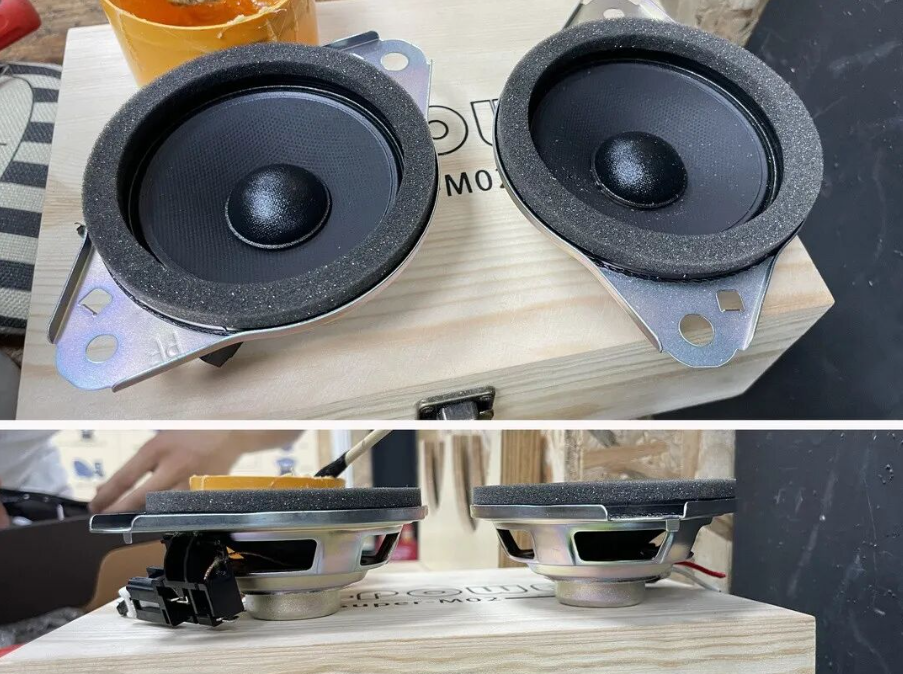
First, the tweeter unit of the original car’s Harman Kardon system is carefully removed from the triangular trim plaque.

Japan’s Biwei L-25 R tweeter is installed for precise in-situ replacement, and its size and installation depth are perfectly matched.

The final effect after the installation and restoration of the tweeter unit is integrated with the original car interior.

The upgrade of the door panel midrange unit is the highlight of this case. Instead of simply replacing the speakers, we customized a special wooden box for the Biwei midrange unit to replace the thin installation environment of the original car.
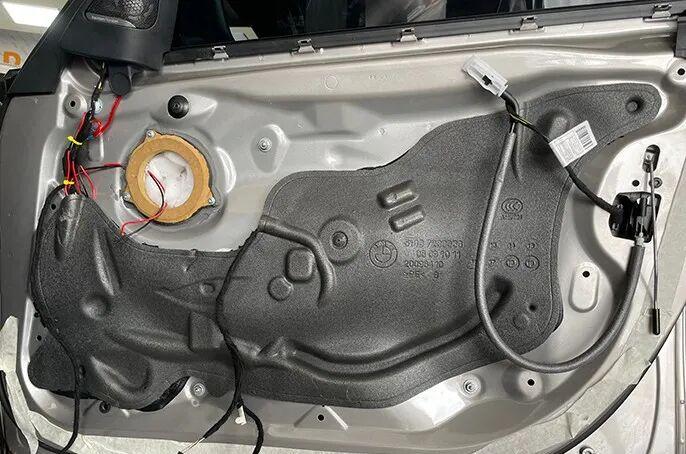
The precise detailed process of box production and installation:



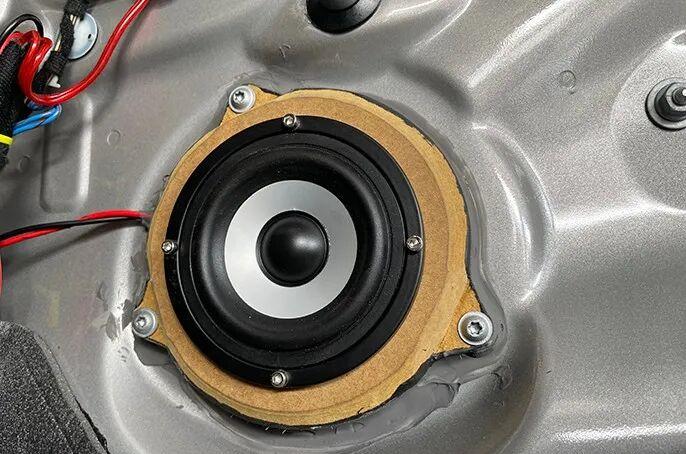
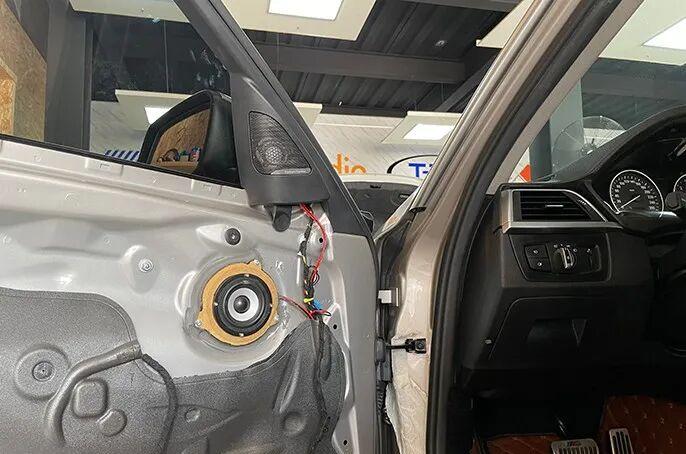
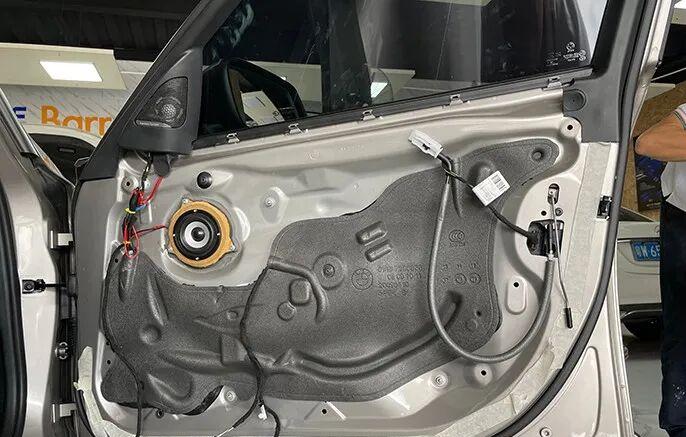
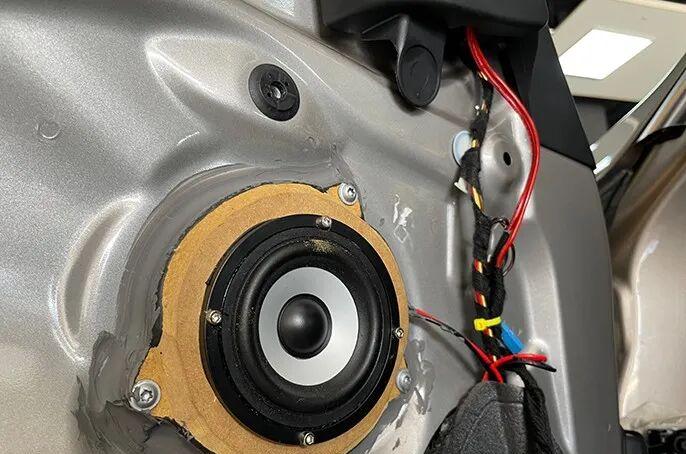
The installation of the middle woofer unit in the door is equally exquisite, and the special gasket is used to achieve stable installation and good sealing.



The overall visual effect after all speaker units in the front soundstage are installed and the door panel is restored, completely following the concept of “invisible upgrade”.
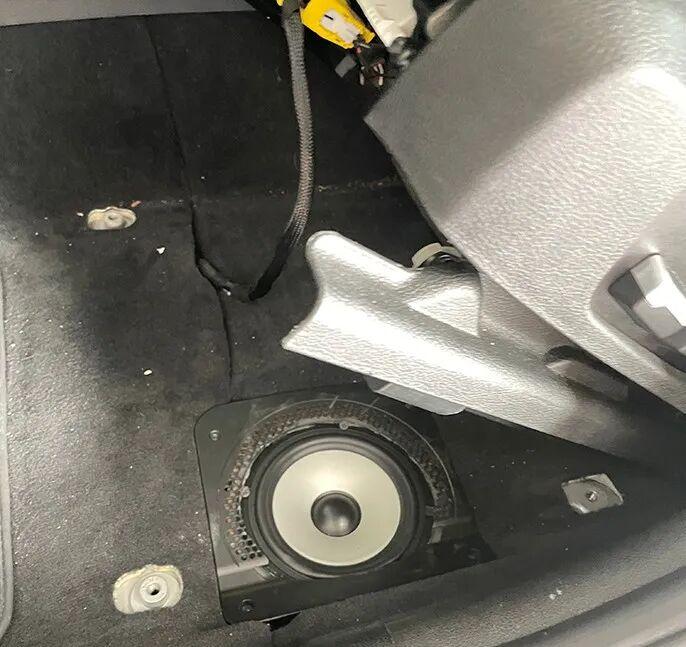
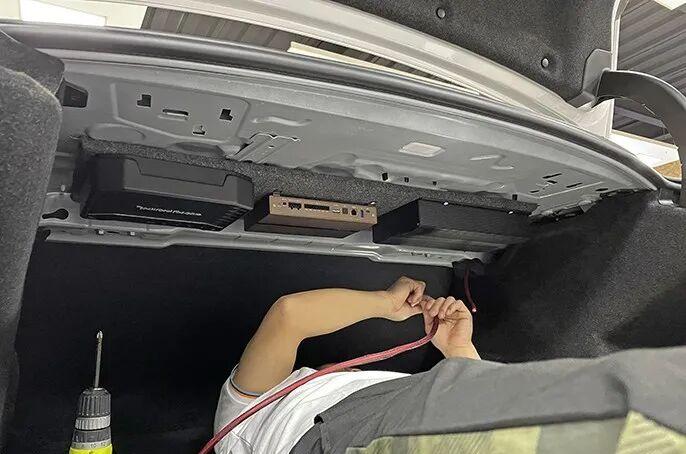
Two Aiwei King series power amplifiers and Biwei DSP processors are neatly and orderly hidden installed on the baffle of the trunk (although not taken in close-up, the layout is similar). This installation method not only ensures good heat dissipation and convenient debugging of the equipment, but also retains the storage space and aesthetics of the trunk to the maximum extent.
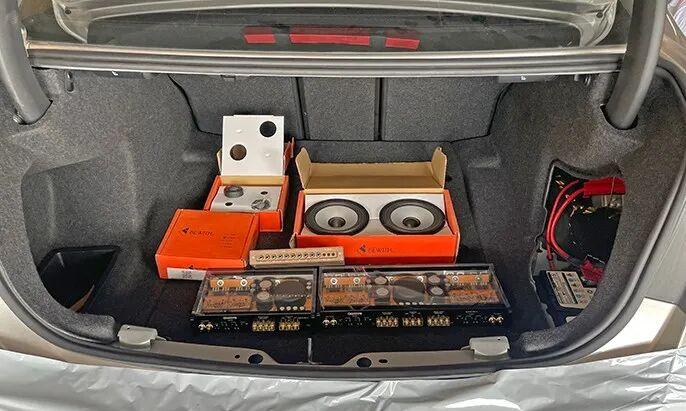
Both power and signal wires adopt professional wiring methods to ensure safety and signal purity. The overall layout is crisp and professional.


You May Also Like

Reshaping the benchmark of German luxury acoustics: the auditory revolution of the Mercedes-Benz C-Class equipped with Betway audio system

Acoustic remodeling of pure electric flagship | Tesla Model X is equipped with Rekal two-way system, using professional modification technology to unleash the potential of top sound quality