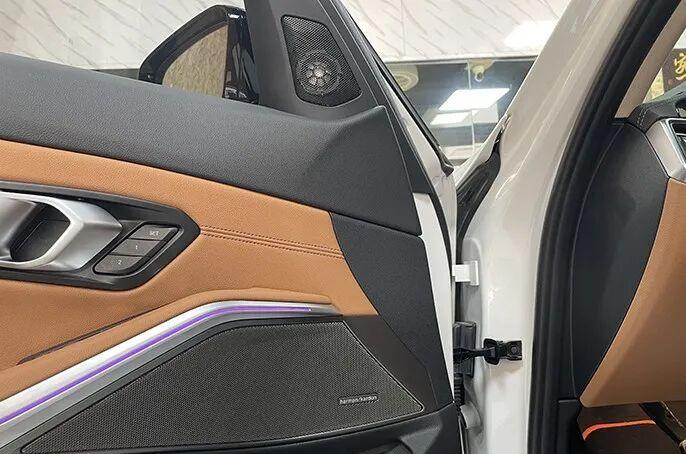
Deconstruction of top car audio tuning art: When precision instruments meet golden ears, how to transform the carriage into a mobile concert hall
Have you ever had such confusion: you have invested a lot of money to upgrade the audio system of your car, hoping to reap an auditory feast, but the final result is disappointing? The low frequency is turbid and lacks strength and clarity; High frequency is sharp and harsh, and it is easy to fatigue after long listening; What’s even more frustrating is that the whole sound field is chaotic, and musical instruments and vocals fight with each other, with no level and positioning at all, as if they had experienced a sound “disaster”. If this is the dilemma you are encountering, then the root of the problem probably points to the core, most easily overlooked, but also the most decisive part of car audio modification-Professional tuning。

The true meaning of tuning: It is not a mere technical operation, but a sophisticated creation that combines acoustic science, musical art and subjective perception
Many people misunderstand “tuning”, thinking that it is just twisting a few knobs on the power amplifier, or pulling the equalizer (EQ) curve a few times at will in DSP software. However, the depth and breadth of professional tuning in the true sense far exceed this. It is a systematic project that requires tuners to have multiple abilities:
1. Talented musical perception and sound aesthetics:A good tuner is first and foremost a keen listener and connoisseur of music. They need to be instinctively sensitive to the sound characteristics of different frequency bands, be able to “hear” the difference between the physical vibration feeling of 20 Hz low frequency and the air feeling of 16 kHz high frequency, better understand the emotions contained in music works, and know how to set off or convey this emotion through sound adjustment. This is not only technology, but also an artistic intuition formed by birth or long-term edification.
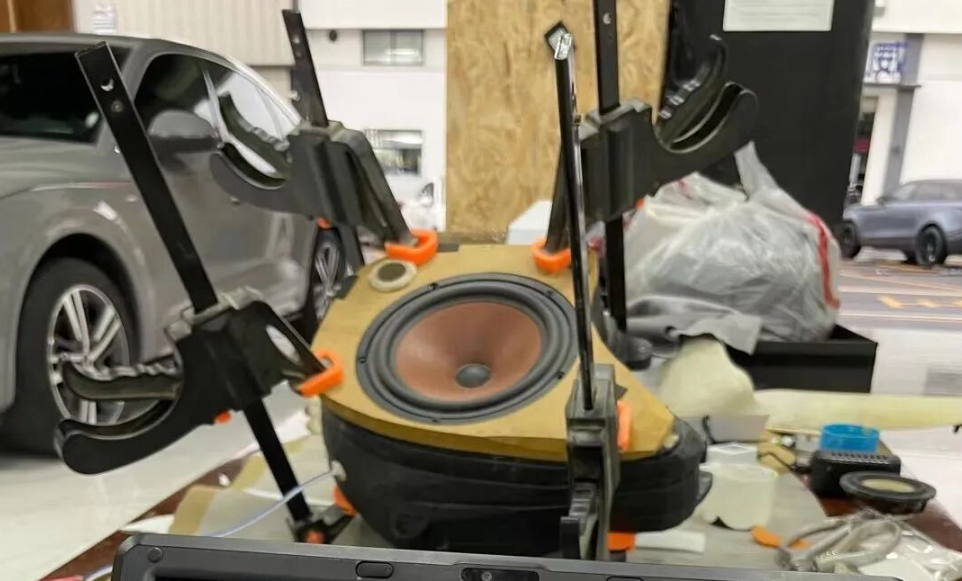
2. Reconstruction and control ability of complex acoustic space:The interior of the car is an extremely irregular, harsh acoustic environment full of reflection, absorption and standing waves. Different materials of interior upholstery (glass, leather, plastic), asymmetrical speaker placement, seat distribution for passengers, all have a huge impact on the sound. The task of the tuner is to use acoustic principles and rich experience to reshape a relatively ideal sound stage through electronic and physical means in this “acoustic maze”-so that high frequencies can be clearly and brightly transmitted to the human ear without being harsh due to excessive reflection; Let the low frequency be laid firmly and powerfully on the lower plate, but it will not cause the door panel to resonate or submerge the intermediate frequency; Finally, a three-dimensional sound field that is open and deep, with accurate and stable images is created.
A vivid example:
Do you always feel that the treble part of a song always seems to be biased to the right, or erratic? This is likely because the installation angle of the original tweeter is usually not optimized for the best listening position (“emperor position”), and its sound waves may be directly directed to the windshield, causing the sound image to shift after complex reflection. An experienced tuning expert will not only make electronic corrections through the Time Alignment function of DSP, but also make electronic corrections during the installation stagePhysically adjust the pointing angle of the tweeter, so that it faces directly towards the driver’s listening area. Furthermore, they will cleverly use the rear sound field or rear surround speakers. Instead of simply copying the frontfield sound, they will inject auxiliary signals with appropriate delay and attenuation, thus creating a more enveloping and live “concert hall” listening experience, rather than the flat feeling of “there are two speakers ringing in front of you”.
Abandon “shortcut” thinking: professional tuning must be based on a solid hardware foundation and rigorous scientific process
There are some oversimplified propaganda on the market, such as “one-button auto-tuning DSP” or “lossless tuning” claiming that there is no need to change the hardware at all. While technological advancements have brought convenience, to achieve truly superior sound, tuning must be built on the following hardcore foundations:
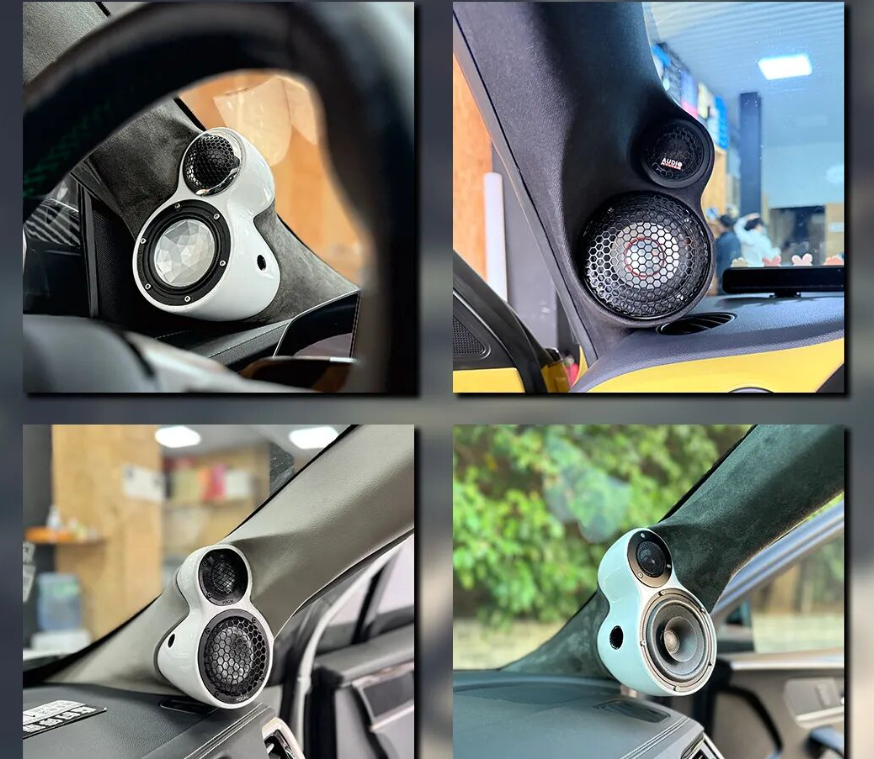
• Necessary physical installation optimization:Tuning is not a panacea. If there are serious acoustic defects in the installation position of the speaker itself (such as the tweeter is deeply stuck in the door panel or severely blocked), no matter how powerful the DSP is, it will be difficult to recover. As a result, professional tuning often begins with installation. For example, byA-pillar inverted moldPositioning the tweeter at the optimal height and angle, or adjusting the position of the rear door treble to improve the rear soundstage, are crucial steps that lay the physical foundation for subsequent electronic tuning.
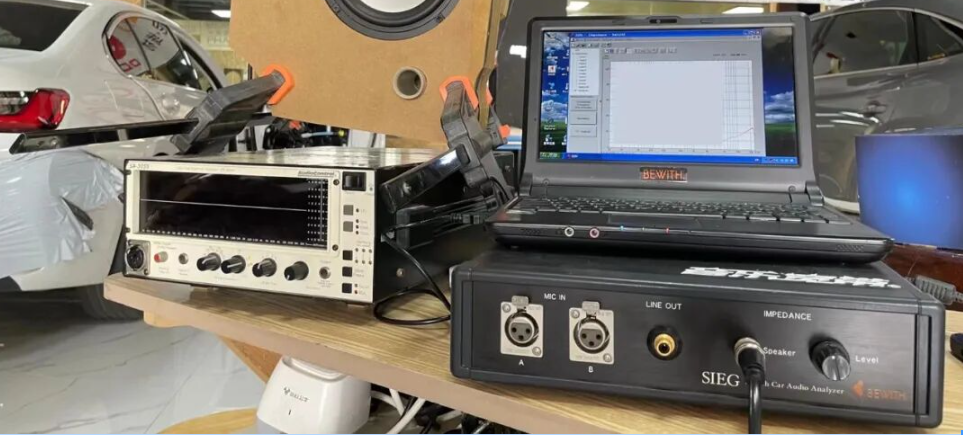
• Professional measuring equipment as scientific basis:Although the human ear is the final ruling, it is susceptible to subjectivity and fatigue. Therefore, professional tuners will use such asBEWITH SIEG series audio analyzerSuch precision tools. Through the spectrum curve, phase response, reverberation time and other data collected in the “emperor’s position” in the car, we can objectively diagnose the pain points of the system: where there are formants caused by poor cabinet design (causing low-frequency buzz), which frequency band is seriously missing (causing the voice to dry out), whether the frequency responses of the left and right channels are balanced, etc. These data provide a reliable “map” and starting point for subsequent manual adjustments.
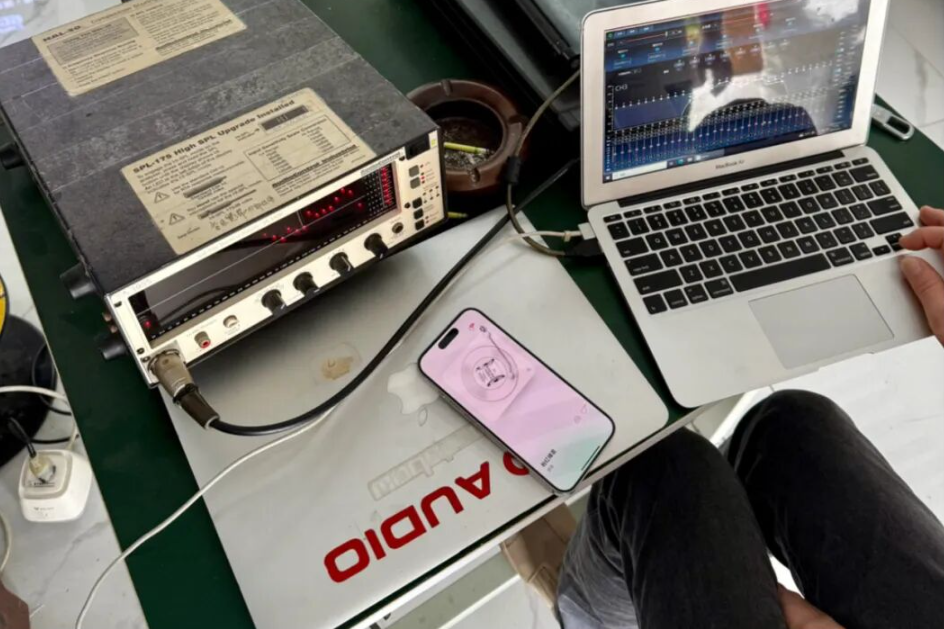
• Finally returning to the subjective fine calibration of the human ear:After the measuring device adjusts the system to a “scientifically correct” state, the tuner’s job is far from over. Next is the most tested part of skill-Artistic fine-tuning based on standards。 They will play all kinds of familiar test tracks and use trained ears to judge: Is the thickness of human vocals natural enough? Is the texture of the instrument real? Does the overall sound style match the owner’s preferences (warm or bright, dynamic or peaceful)? This process requires repeated comparison and subtle adjustment, in order to make the sound more musically appealing and comfortable to listen on an accurate basis.
Why are competent professional tuning services so scarce?
Because the current situation of the industry is:Most modification stores only stay at the level of “installers”, they can skillfully disassemble the interior, connect cables, and fix speakers, but they lack a deep understanding and systematic method of the principles behind the sound and how to create a good sound. And really able toThere are very few top tuners who master acoustic science, electronic technology and musical art at the same time, and combine them to serve the ultimate listening experience, is a scarce resource in the industry. Their value lies in the ability to adjust a system to make your sound system sound like you never imagined:
• When the drum sound of the prelude to Tsai Chin’s “Ferry” sounds, what you feel is no longer a vague “dong” sound, but a powerful shock wave that reaches your heart, and the vibration of the drum skin is clearly audible.
• When playing classical symphonies, you can easily distinguish the “pine fragrance” of violin group playing from the rich spatial overtones (so-called “airiness”). Each voice of the orchestra is well-layered and clearly positioned.
• Even when driving on the highway with obvious road noise and wind noise, the vocal dialogue or lyrics in the music can still be clearly highlighted and will not be overwhelmed by ambient noise.
Finding a store that can not only install but also be proficient in tuning is the most critical step in ensuring that you get a great return on your audio modification investment. Because the best equipment may perform mediocre under the wrong adjustment; However, a set of reasonably designed system, after master tuning, can turn decay into magic, and truly immerse you in the mobile music hall.


You May Also Like
The Ultimate Question of Car Audio: Where Does a Good Sounding Soul Come from? In-depth analysis of the driving philosophy of Feishi PA-2
The ultimate solution for the ultimate sound quality: Highlander Bivii three-way system in-depth modification guide