Ile de Ré, France | Blues and madrigal in a frame
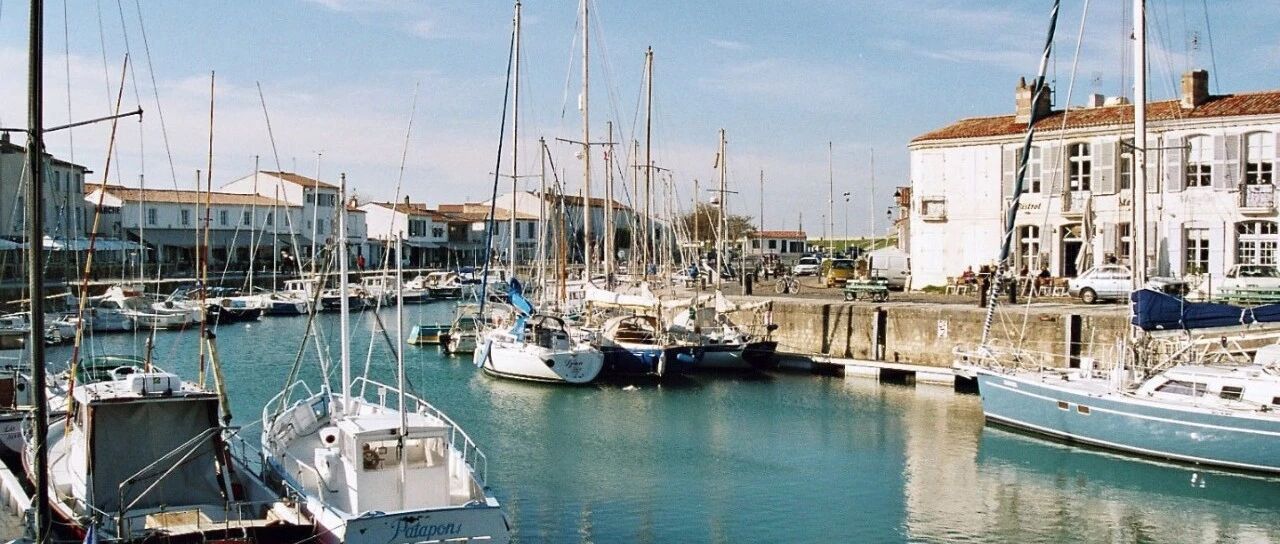
Driving across the long bridge across the sea from La Rochelle, Lei Island, which is only 30 kilometers long, appears leisurely. Exquisite villages and harbors, charming beaches and lighthouses are dotted everywhere, and the island is small enough to measure its circumference with a bicycle or horseshoe.
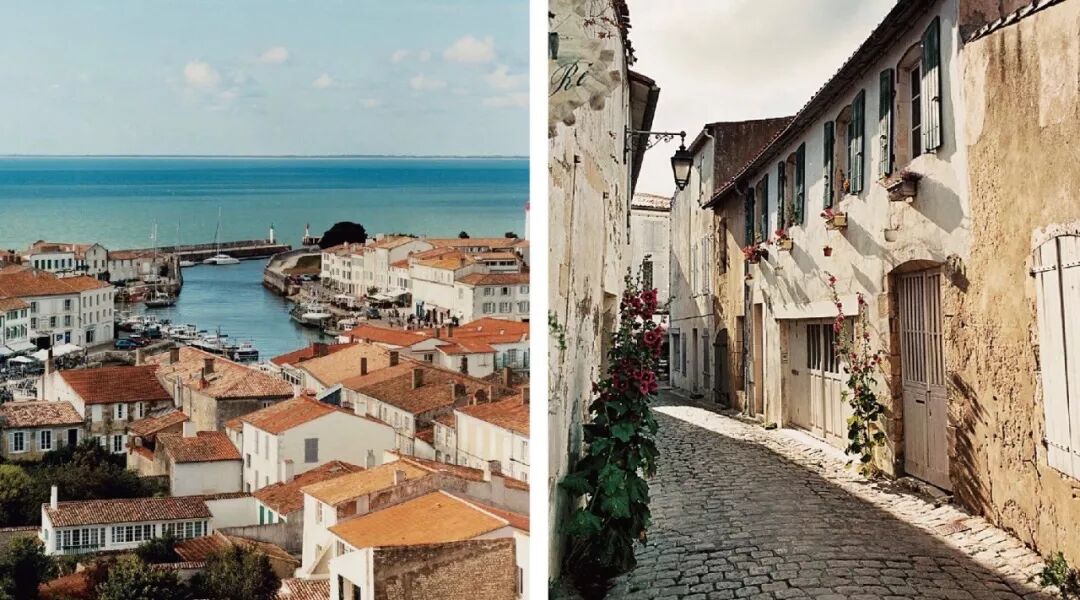
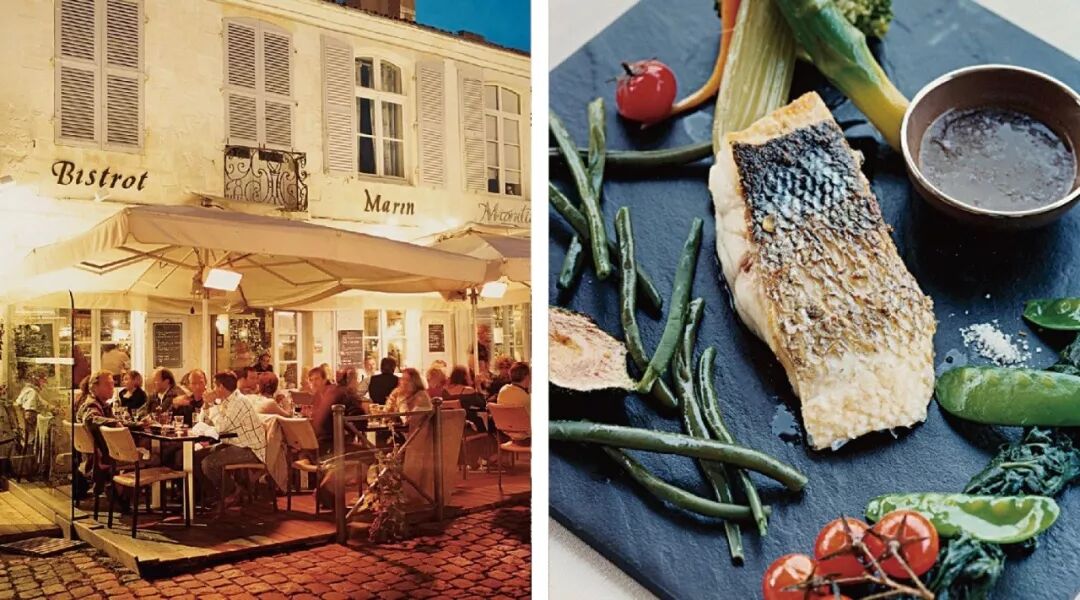
Through the hustle and bustle of people to Port San Martin, the town’s style reflects careful governance everywhere: eyesore cables are buried deep underground, new buildings are strictly forbidden, and the blinds of all old houses can only be selected from the famous color chart-eight kinds of blue and eight kinds of green, which constitute the unique visual rhythm of Ray Island.
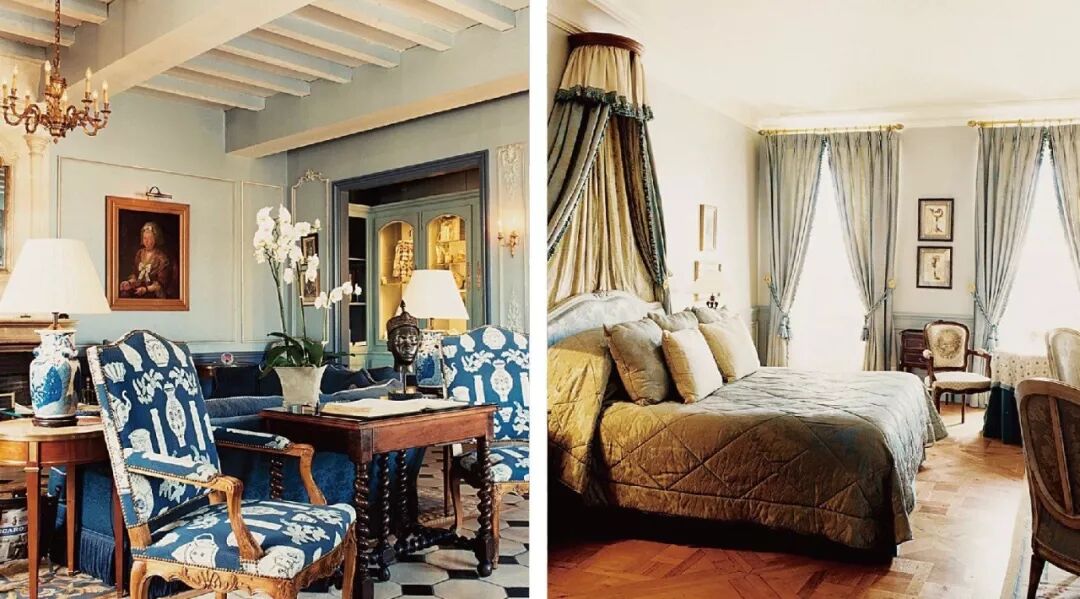
The hotel we stayed at was converted from an old 17 th-century cream-white stone house. The hall was cool and quiet, and classical music seemed to be absent, except the rustling of guests reading Le Figaro by the fireplace. Although the atmosphere makes people just want to sink deep into the sofa, we can’t help but be curious and rush out to explore the fresh interest of the island.
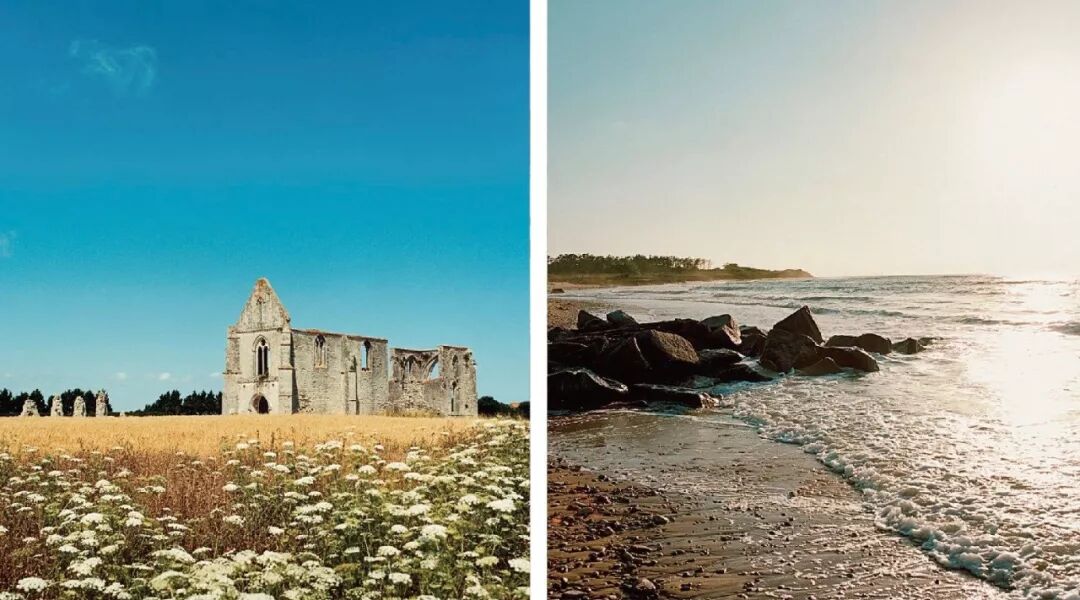
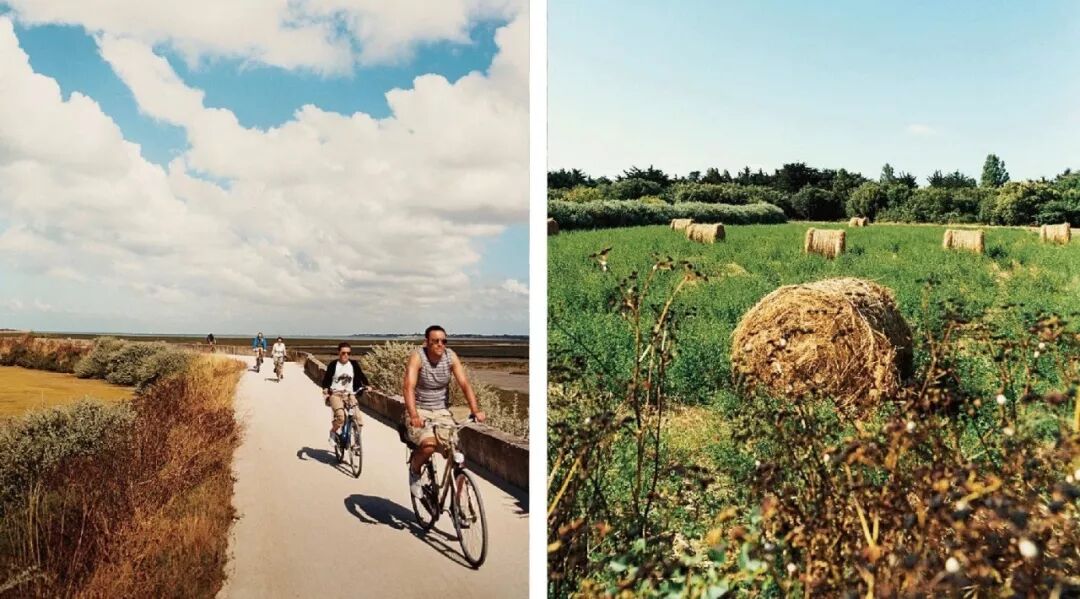
In the past, the barrier against the enemy has now become a secluded path for free riding. People start from the old castle and cross the stone bridge to reach the Campany Arch. Another popular route connects beaches, wilderness and German bunkers during World War II. The roadside hedges are winding, and the wildflowers are colorful-goose yellow, crimson, dotted with holly thorns, all the way to La Flotte. The market there is open every day, displaying all kinds of quaint and old things with the passage of time.
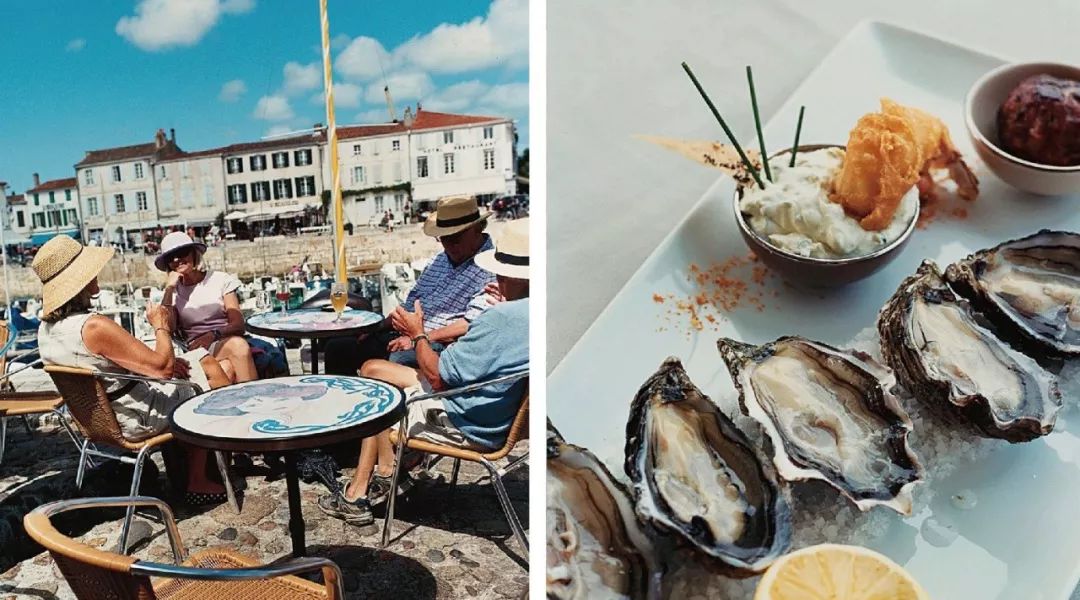
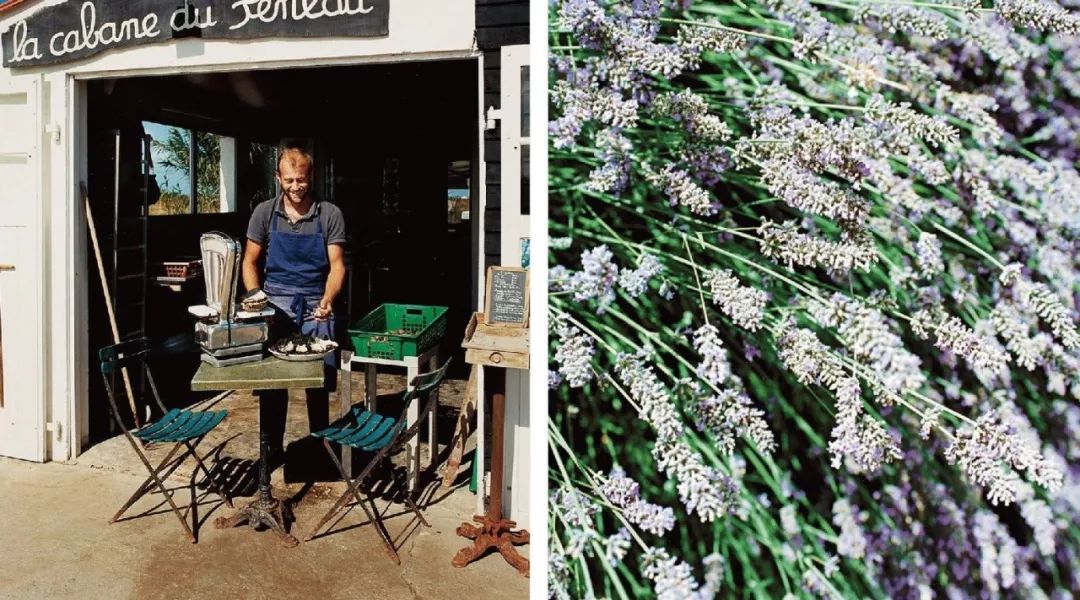
On the road, you will encounter a simple fisherman’s hut every few miles, and the locally farmed oysters sit on the wooden table in front of the house, which is ready to eat. Returning to the hotel in the afternoon coincides with going to the fishing market with the chef to choose dinner ingredients. All seafood is freshly caught in Hong Kong in the early hours of the morning, including crabs, lobsters, mussels and various marine fish. The fishermen are still wearing waterproof pants, holding high the Dorada fish weighing more than ten kilograms and shouting loudly, full of confidence: “The bigger the fish, the fresher the meat!”
We eventually settled on a bass-shaped McGray, big enough to entertain four. After gluttony, although I was full and hard to walk, I was still dragged out for a stroll by the night of the harbor. On the way back, I finally surrendered in front of the window of the ice cream shop. This long weekend in Lei Island has satisfied my heart and stomach together.

You May Also Like
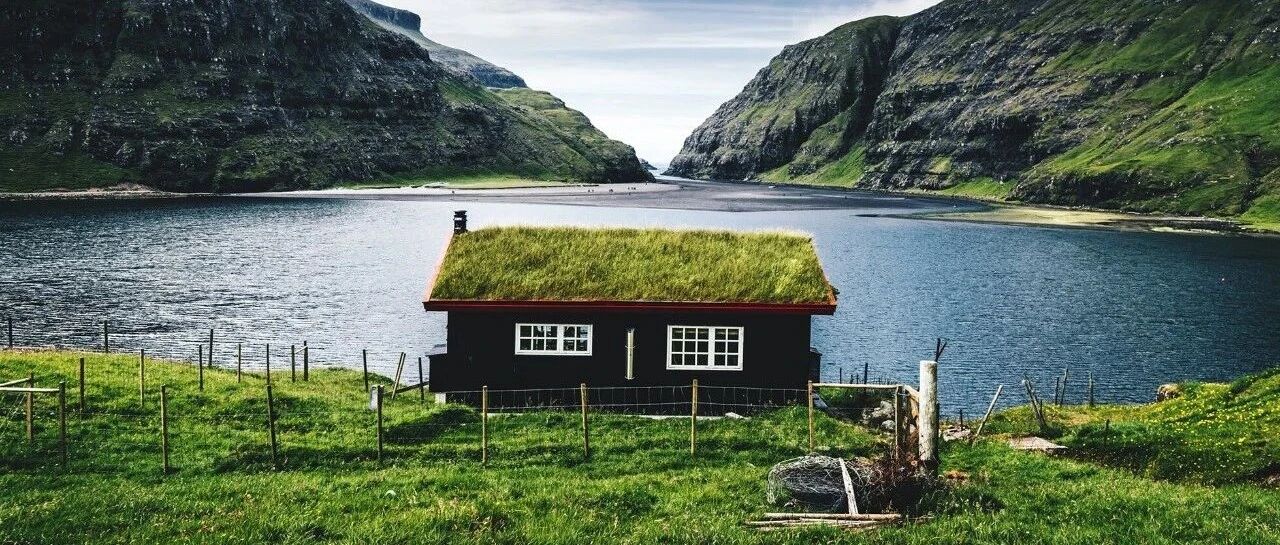
Faroe Islands and southern Iceland | 12-day wilderness and hot springs tour
Which one is more worth choosing, winter travel or summer travel?