The art of original sound reproduction: How Aiwei’s flagship four-channel power amplifier reshapes the listening experience of Toyota RAV 4
The owner of this Toyota RAV 4 (Rongfang) has previously completed a preliminary modification of a three-way audio system for his car elsewhere. The original system architecture is the traditional passive sound split mode, and it is equipped with a ten-inch subwoofer system as a low-frequency supplement. The sound source part is composed of the original main engine and an ordinary multi-functional DSP power amplifier. As car owners’ understanding of music continues to deepen and their listening requirements are also increasing day by day, the original system performance has gradually been unable to meet their current higher pursuit of sound quality details, sound field levels and dynamic control. After many comparisons and in-depth understanding, the owner finally decided to entrust this important upgrade project to our team.
Through in-depth communication with the car owner, we clearly grasped his main listening style preferences and upgrade expectations. Based on this, we have tailored the following system upgrade scheme for it, aiming to achieve a qualitative leap from “passive” to “fully active”:
-* * Core upgrade concept * *: The three-way system of the front sound field is fully upgraded from the original passive split-sound drive to the independent active split-sound drive mode.
-* * Power amplifier configuration adjustment * *: Keep the Leibeqin two-channel power amplifier installed by the owner before, and continue to use it to drive the middle and bass unit in the three-way system, giving full play to its stable and reliable characteristics. At the same time, a flagship four-channel power amplifier of Audioweapons brand will be installed in the system. This new power amplifier will be responsible for driving the midrange and tweeter units in the three-way system to achieve more accurate and independent control.
-* * Subwoofer system * *: The original 10-inch subwoofer system (including woofer and power amplifier) performed well, so it was completely retained and continued to be responsible for low-frequency rendering.
-* * Audio processing core * *: Equipped with a Morel eight-channel pure DSP digital audio processor, as the “brain” of the whole system, it is responsible for active frequency division, time delay calibration, equalization adjustment and other fine processing of all channels.
-* * Foundation of sound field reconstruction * *: After inspection, although the inverted mold installation of the A-pillar of the original car has been completed, its sound field positioning angle and height do not meet our strict technical standards, and it is impossible to construct an accurate ideal sound field. Therefore, the A-pillar needs to be removed from the original modified parts, repositioned and reversed according to our professional acoustic requirements.
The following is a detailed construction process record of this in-depth upgrade of Toyota RAV 4 sound system.
The first step of sound field remodeling: repositioning and reverse formwork construction of A-pillar. Technicians use professional tools to accurately measure and locate the installation angle and position of the treble and midrange units according to the best listening point in the driver’s seat, which is the basis for building a wide and accurate sound field.

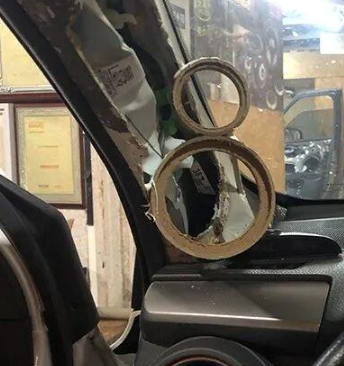
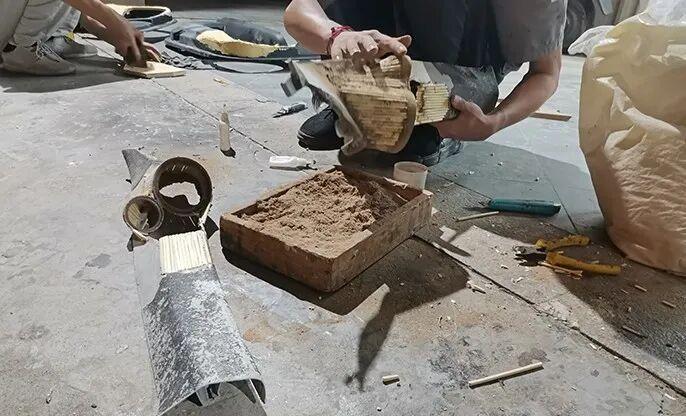
After the A-pillar inverted mold skeleton is made, installation of the midrange unit begins. The acoustic treatment inside the cabinet is very important, including the filling of sound-absorbing cotton, the smoothing treatment of the internal shape, etc. These details directly affect the density of the mid-frequency vocals, the solidity of the image and the purity of the timbre, and must be handled properly.
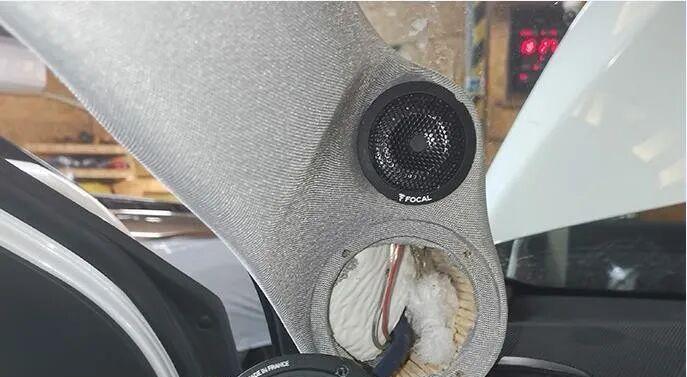
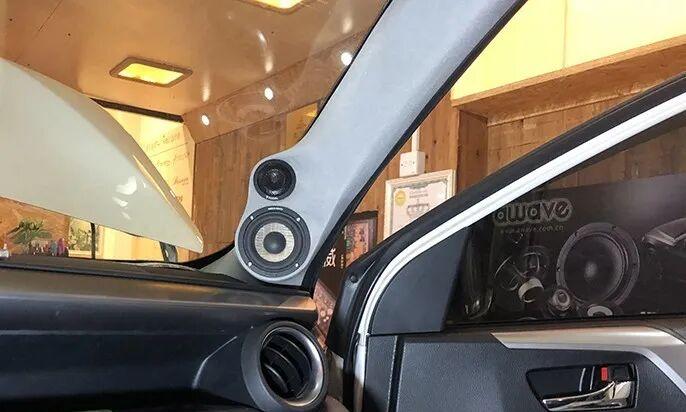
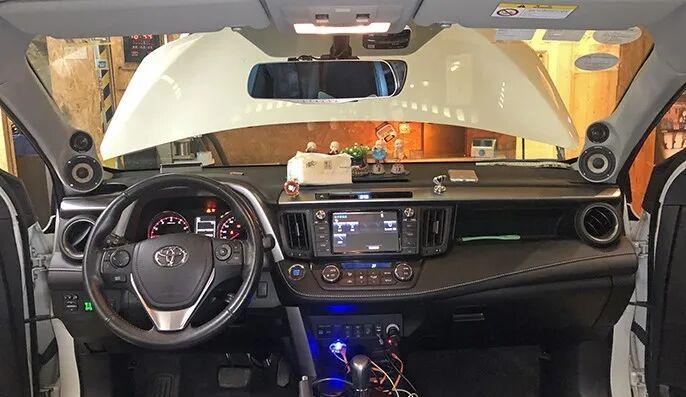
The final renderings after the A-pillar mold inversion and cladding process are completed. The shape is naturally integrated with the original car interior lines, and the craftsmanship is exquisite, while ensuring the scientific orientation of the treble and midrange units.
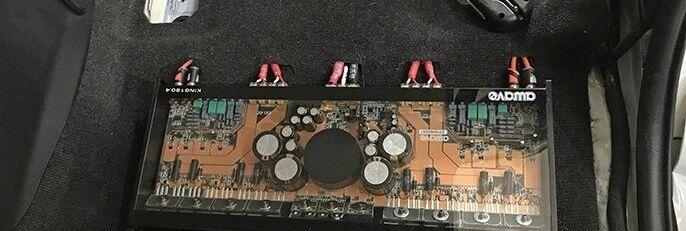
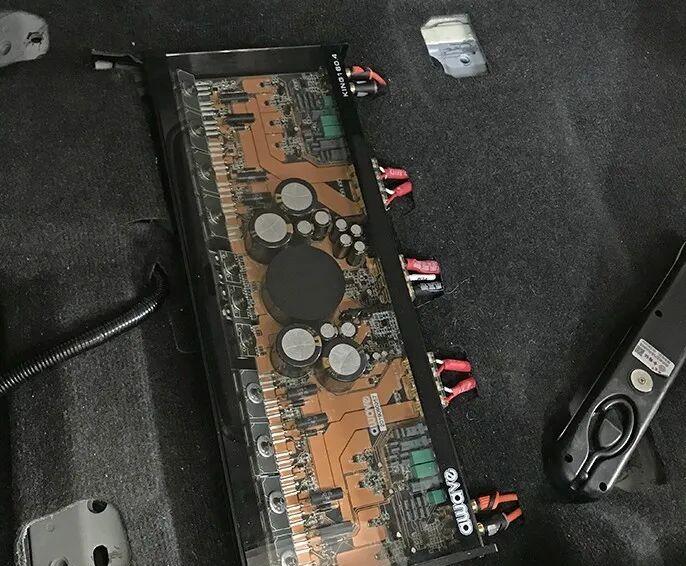
The newly added core driving force, Aiwei’s flagship four-channel power amplifier, is cleverly installed under the driver’s seat. As the brand’s top product, its industrial design (appearance) and sound quality (sound quality) have reached the strict standards of High-Fidelity. Its output power is as high as 160 watts (4Ω) per channel, and its abundant power reserve ensures the system’s calmness and control under large dynamics. What is commendable is that at the same time of high power output, its restoration of sound details still maintains extremely high fineness and softness, the sound line is smooth, and the dynamic performance of each frequency band is very balanced, without abruptness or depression.
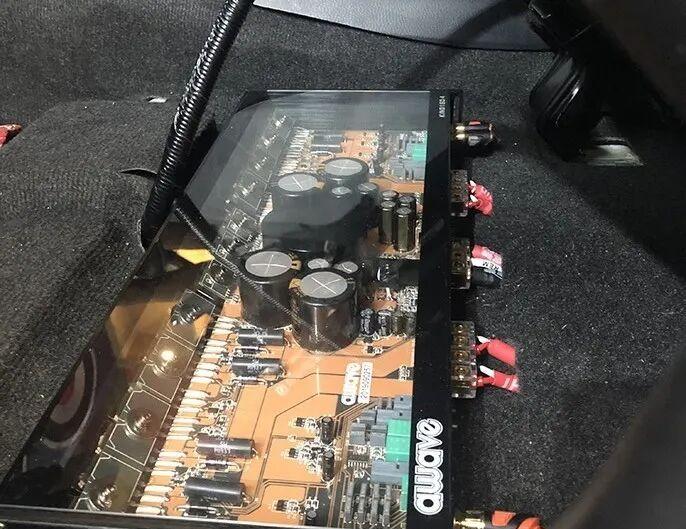
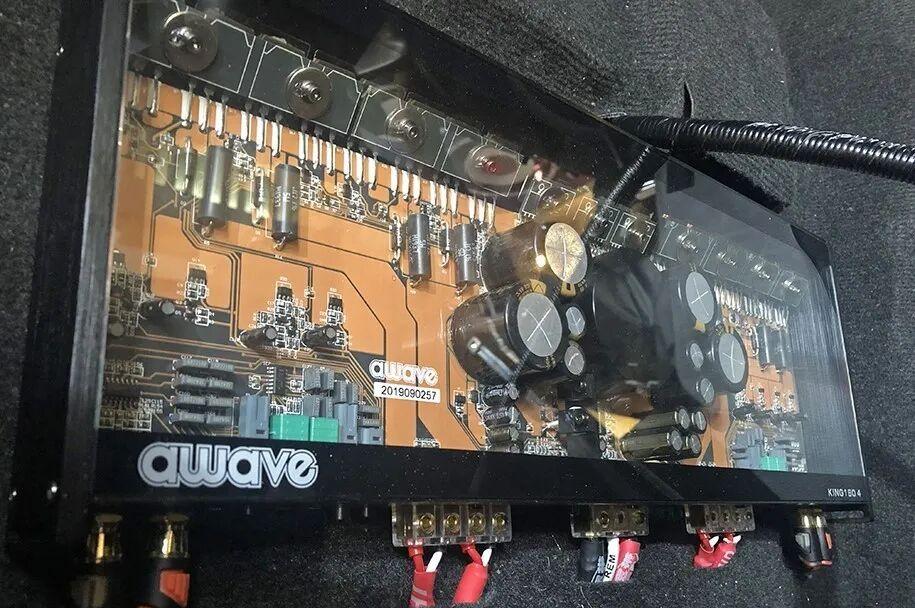
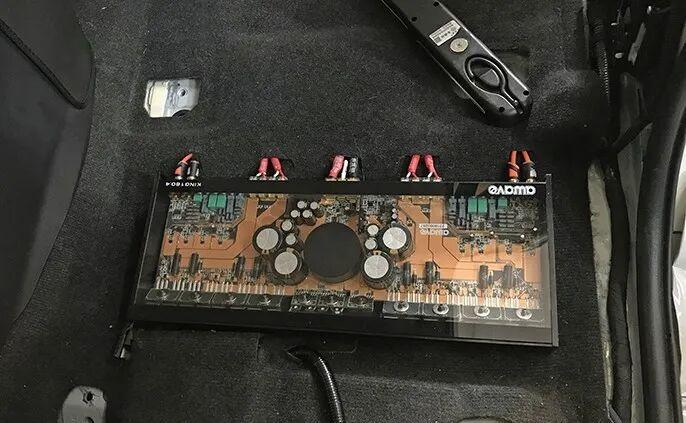
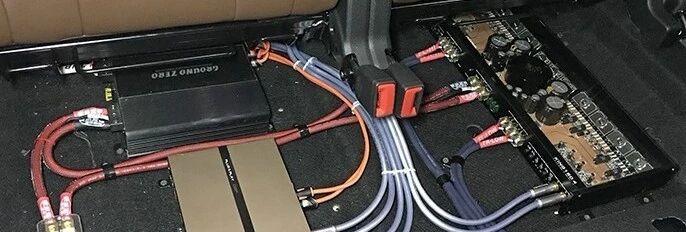
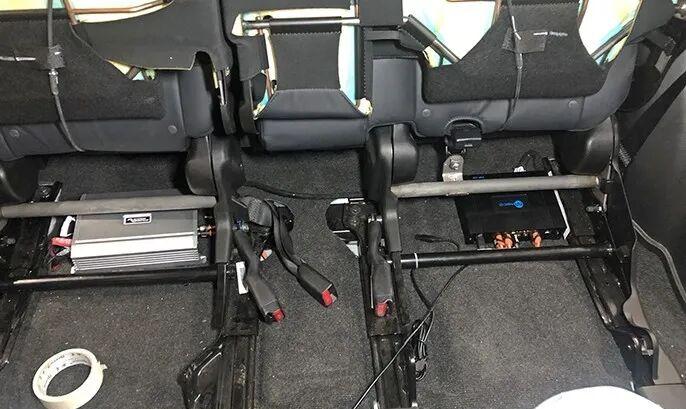
The rest of the system equipment, including the original Leibeqin two-channel power amplifier, Magic Cube DSP processor and subwoofer power amplifier, are neatly arranged in the hidden space under the rear seats to ensure the cleanliness and practicality of the interior space.
After professional installation and careful debugging, the final sound quality of the whole system is gratifying. During the audition, we used Apple mobile phones to input high-quality music files through the AUX interface of the original owner. The final listening experience once again confirmed the wise saying in the field of car audio modification: “Three points for equipment, seven points for debugging”. Excellent equipment is a solid foundation, but only through professional and accurate debugging can the potential of these hardware be thoroughly stimulated and integrated into a harmonious and moving organic whole, which is the truest portrayal of modification art.


You May Also Like
Injecting soul into listening: Biwei speakers on BMW 325 Li provide a detailed listening experience

Three or two-way? A car enthusiast’s true mind and final choice, a review of the entire process