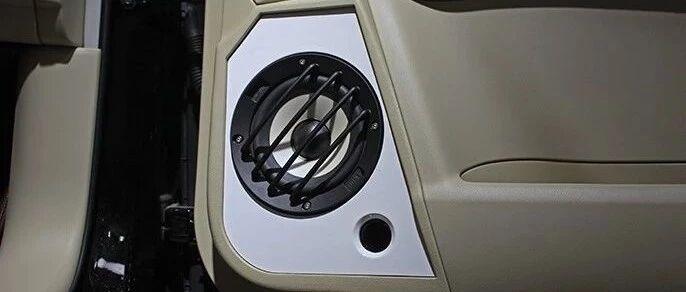
Analysis of core technologies for in-depth modification of car audio: the entire manufacturing process of special cabinets for speaker door panels in Japan
If you want to achieve an immersive listening experience comparable to that of a professional concert hall or a high-quality home theater in a car cockpit with limited space and complex acoustic environment, you need to meet a series of rigorous acoustic engineering conditions. The most basic and crucial link is to build an independent working cavity for the speaker unit that conforms to the acoustic principle. Because the internal structure of automobile door panels is extremely irregular, filled with various stiffeners, holes and pipeline channels, this original state of “riddled holes” can easily cause harmful resonance and acoustic short circuit, seriously losing the energy and clarity of sound. Therefore, customizing a special box for the speaker that closely matches the internal space of the door and has sufficient stiffness and tightness is a necessary prerequisite for suppressing resonance and improving the working efficiency and sound quality of the speaker.
It is precisely in order to solve this core problem that Bewith, the top car audio brand from Japan, has innovatively launched a speaker system that must be used with independent customized cabinets with its profound acoustic research and development strength. The excellence of this system lies not only in its dependence on the cabinet structure, but also in its unique “off-axis directivity” acoustic design. In short, its sound energy is mainly concentrated and propagated in a precisely calculated axial direction. The revolutionary advantage of this design is that it can minimize the disordered reflection and interference of sound on complex surfaces in the car, and reduce unnecessary sound loss to extremely low levels, thus ensuring that the sound is delivered to the listener’s ears in the most direct and purest way.
However, the requirements of such professional audio equipment for modification process have reached an almost demanding level. Biwei officials provide accurate authoritative data on the cabinet volume, internal structure and even the size of the diversion tube for each speaker. These parameters are not derived from the personal experience or random ideas of the modification technician, but scientific conclusions obtained through rigorous acoustic testing and calculation. Therefore, the modification process must strictly follow these official data for construction, and any deviation may affect the final sound quality performance. From this, we can draw a key conclusion: a set of sound system modified and debugged in strict accordance with the official standards of Biwei, no matter what brand or model of vehicle it is installed on, can achieve consistent and predictable sound quality and effect height. Its excellent performance has nothing to do with the specific model, but only closely related to whether the modification process meets the standard.
Below, we will take the modification of a Nissan Patrol large off-road vehicle as an example to analyze in detail the complete process flow and method of making a special door box for Biwei speakers. This case aims to demonstrate the core steps of professional modification and provide valuable reference for colleagues and enthusiasts in the industry.
1. Preparation of core modification tools and basic consumables: In order to achieve high-precision processing, we use computer numerical control (CNC) engraving machines; The main material of the box is imported multi-layer birch board with high strength, uniform density and excellent resonance characteristics; The adhesive uses panel white glue specially designed for high-end wood splicing to ensure joint strength and long-term stability.
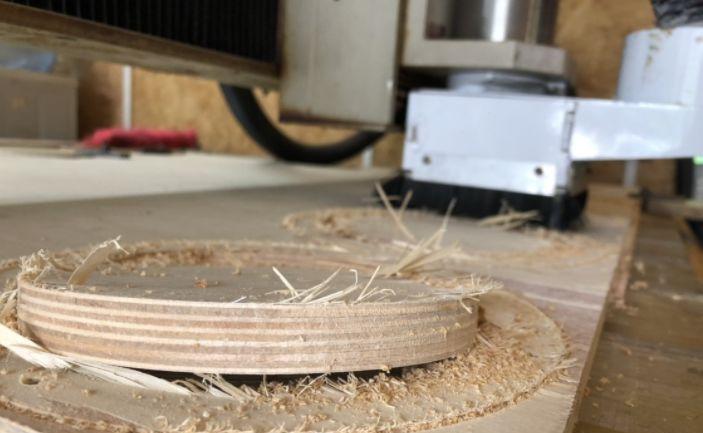
2. Planning and design stage: First, it is necessary to accurately measure and evaluate the internal space of the door, and plan and design the best installation position and external shape of the box on the door panel. This process must fully consider the internal sheet metal structure of the original door, especially the stress support point and safety structure, and resolutely avoid any weakening or damage to the main safety strength of the door while achieving the acoustic goal.
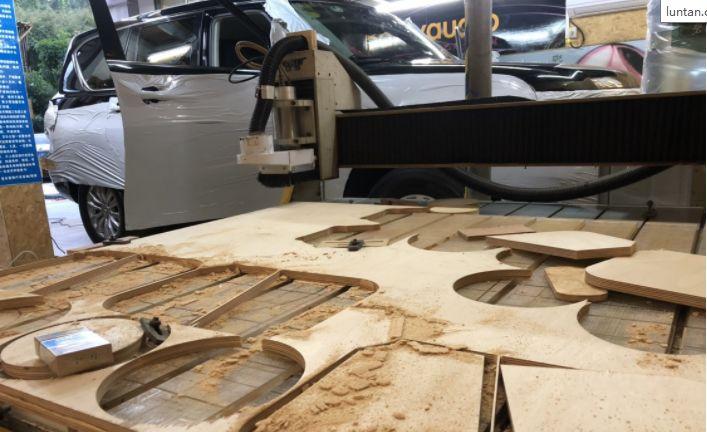
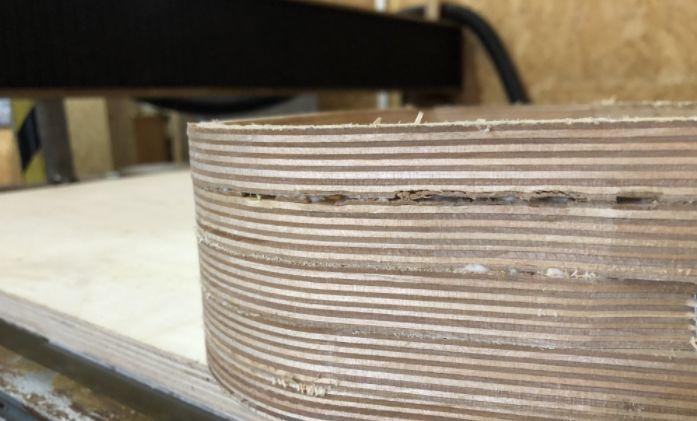
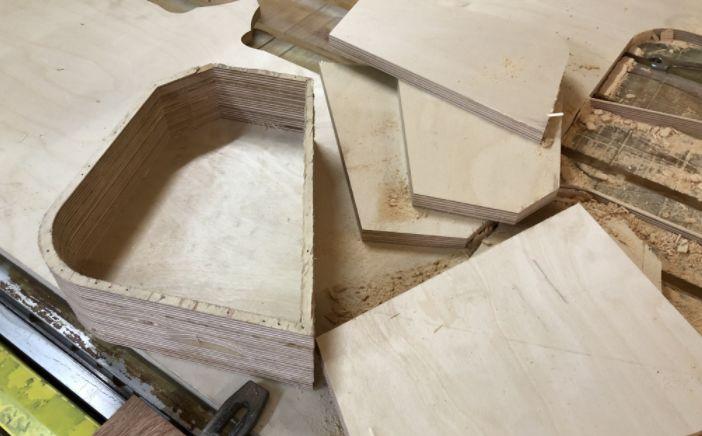
3. Box assembly and bonding: After all plates are accurately cut by CNC, they enter the detailed assembly process. In this critical step, the choice of adhesive is critical. Cheap ordinary white latex may have internal voids or aging cracks after curing, which will directly lead to the decrease of air tightness and insufficient structural strength of the cabinet, seriously affecting the sound quality and service life. Therefore, professional-grade wood panel glue must be selected to ensure that every joint is firm and dense, forming a truly integrated rigid cavity.
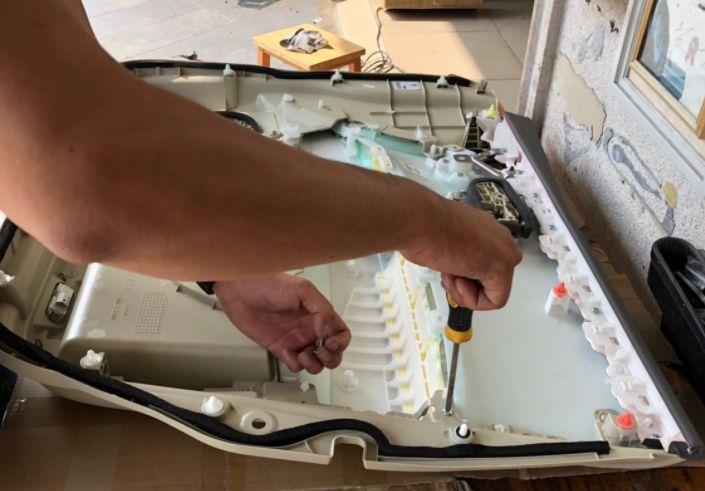
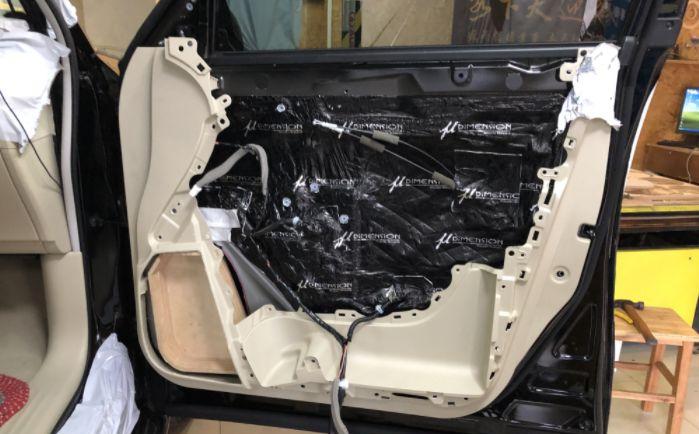
4. Disassembly of the interior trim parts of the original door panel: In order to make room for the customized box and perform accurate installation, the interior trim parts of the original door panel need to be carefully disassembled and removed systematically.
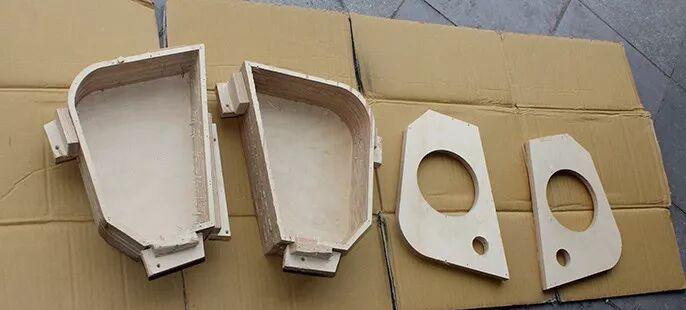
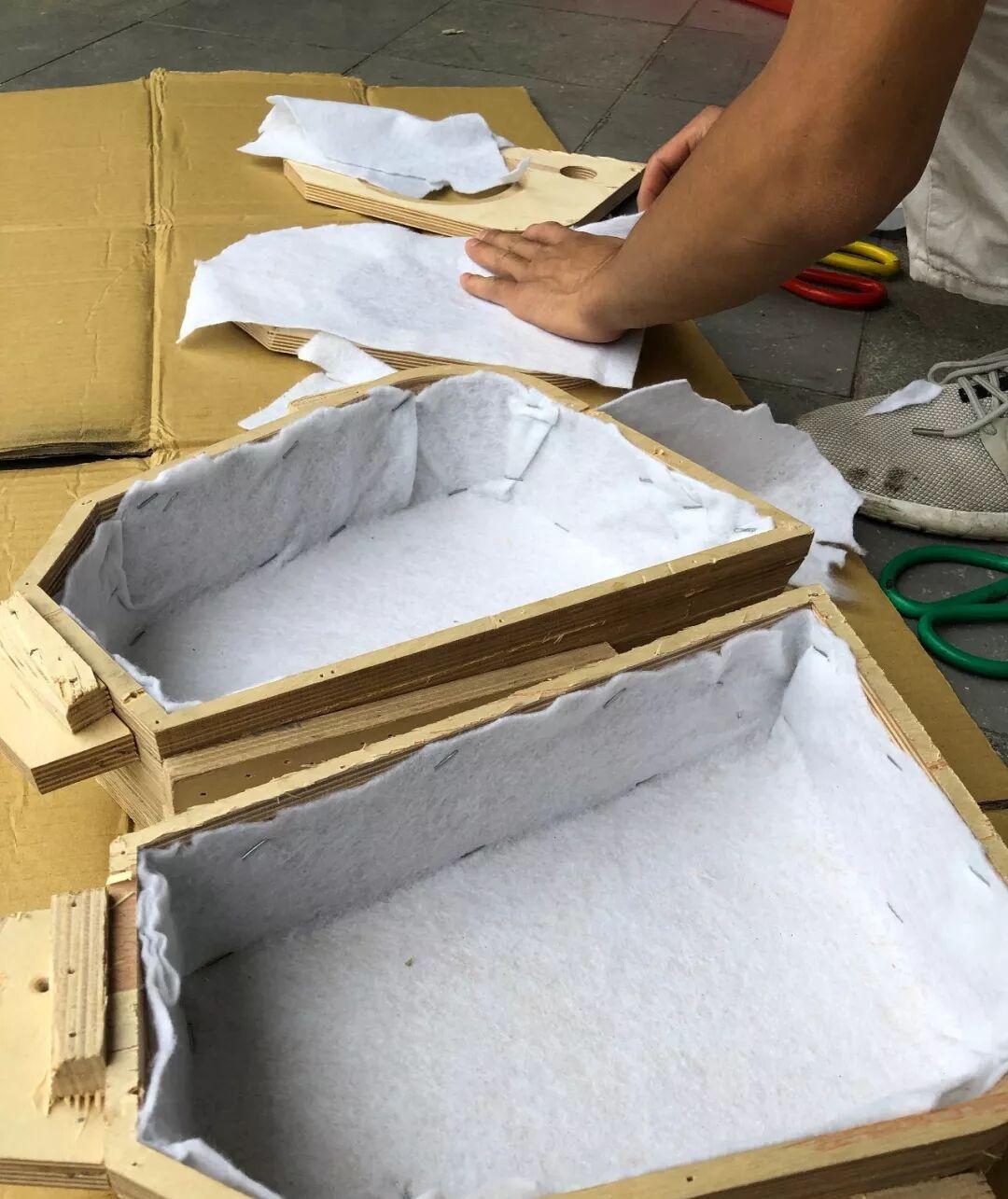
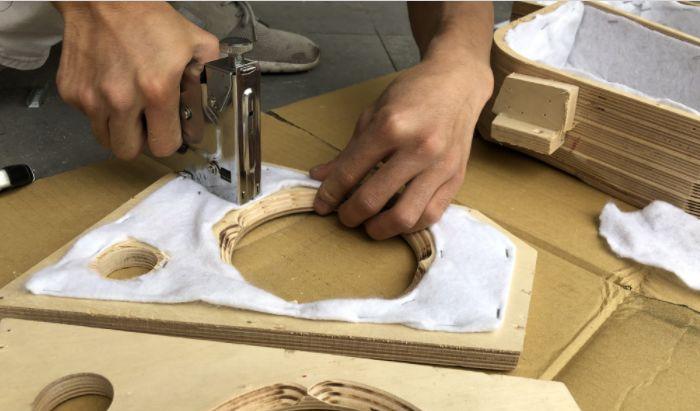
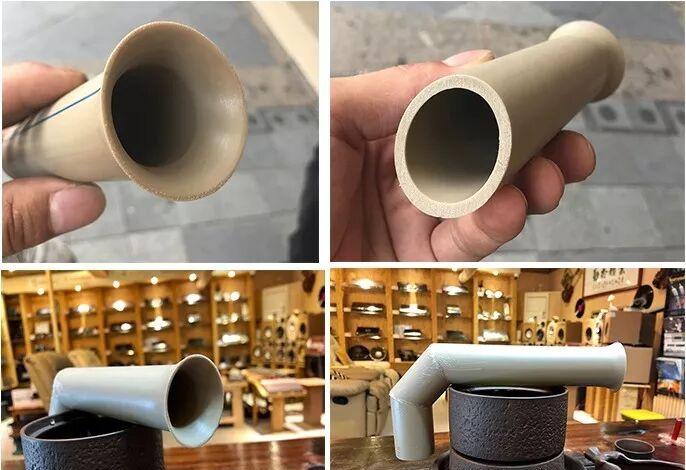
5. The production of the guide tube is completed: The speaker guide tube accurately made according to official data is an important component for controlling the airflow inside the cabinet and optimizing the low-frequency response.
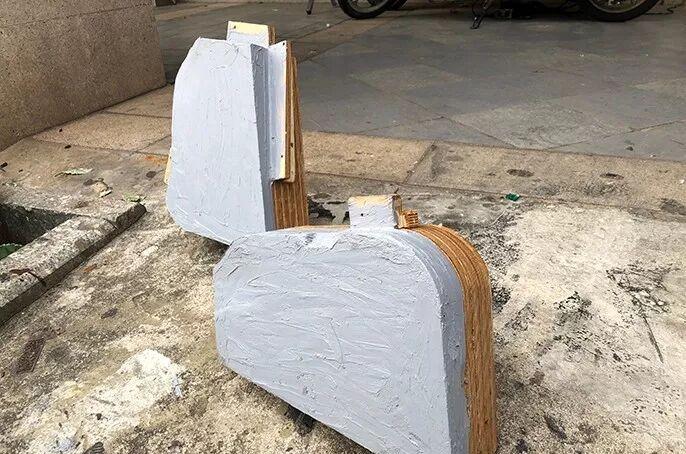
6. Box surface protection treatment: In order to resist possible moisture and environmental erosion inside the door, the outer layer of the finished wooden box is treated with professional waterproof, moisture-proof and anti-corrosion coatings to ensure its long-term stability and durability.

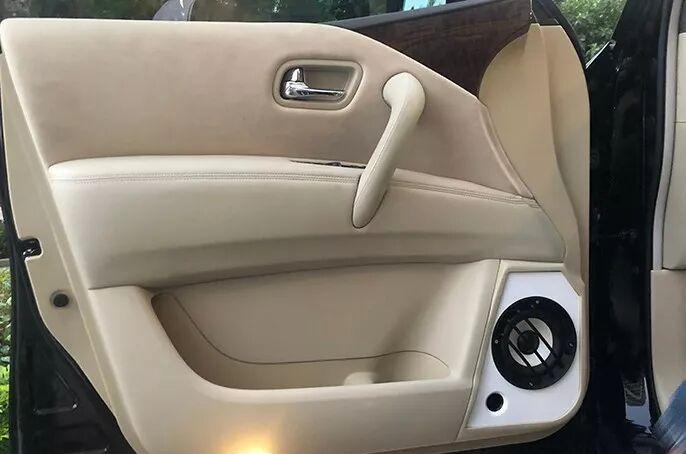
7. Box positioning and installation: Install the processed box on the door sheet metal structure safely according to the pre-planned position, and fix it firmly.
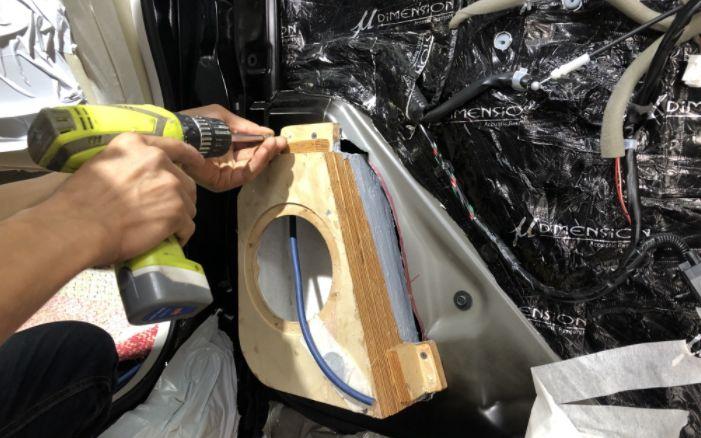
8. Finishing of decorative panels: Make matching decorative panels for the box, and polish them carefully to prepare for subsequent surface treatment.
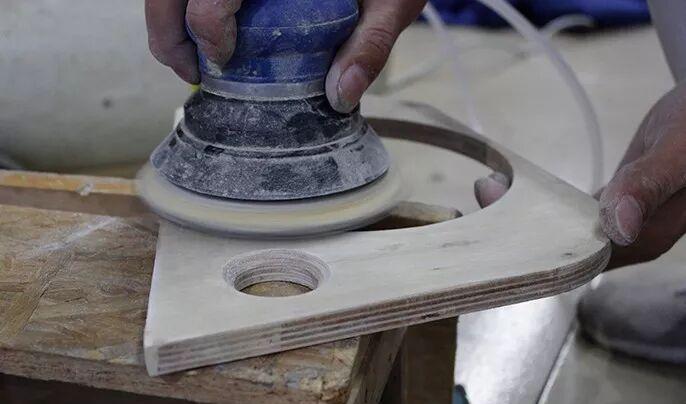
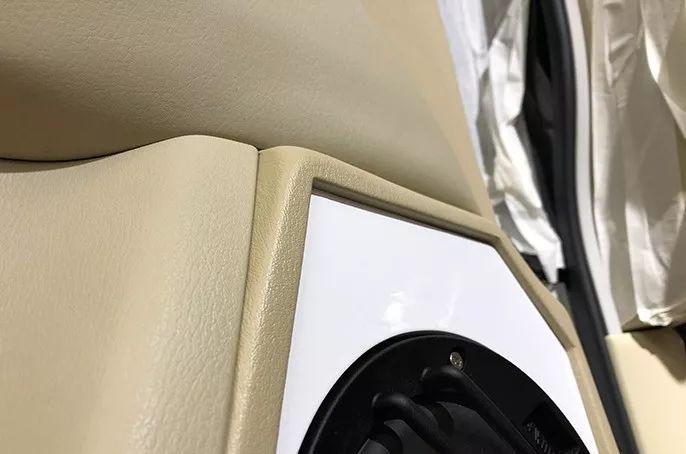
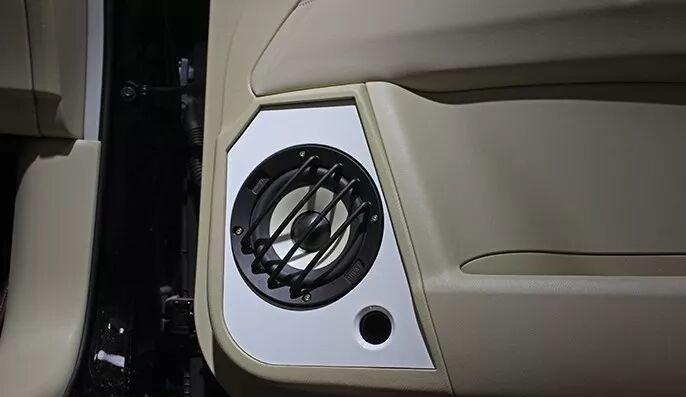
9. Panel painting is completed: The decorative panel has undergone a professional painting process to achieve a perfect effect that is highly integrated with the color and texture of the original car interior.
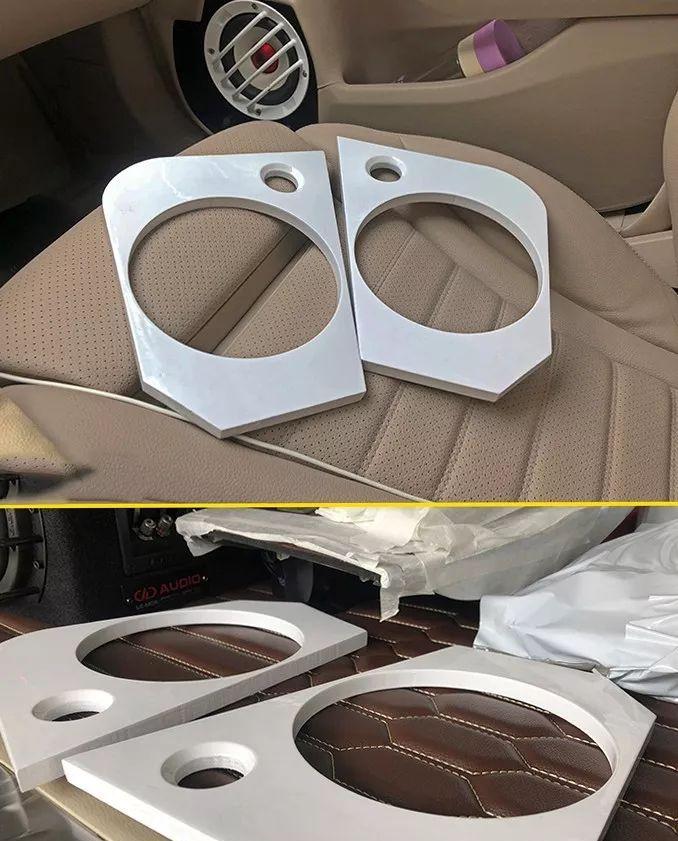
10. Restoration and assembly of interior parts: After the decomposed door interior parts are repaired as necessary, they are assembled and integrated with the customized box.
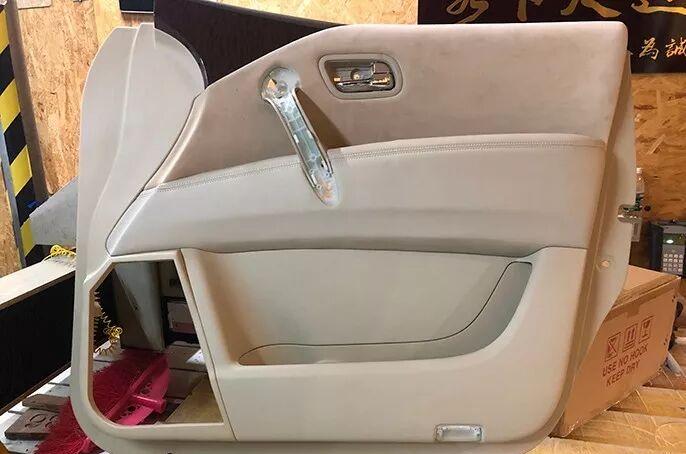
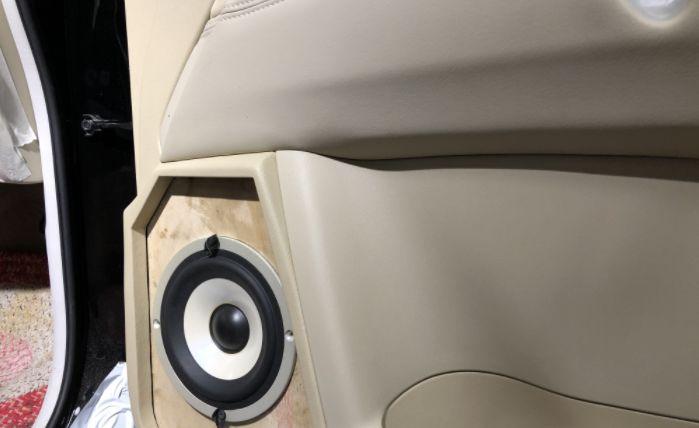
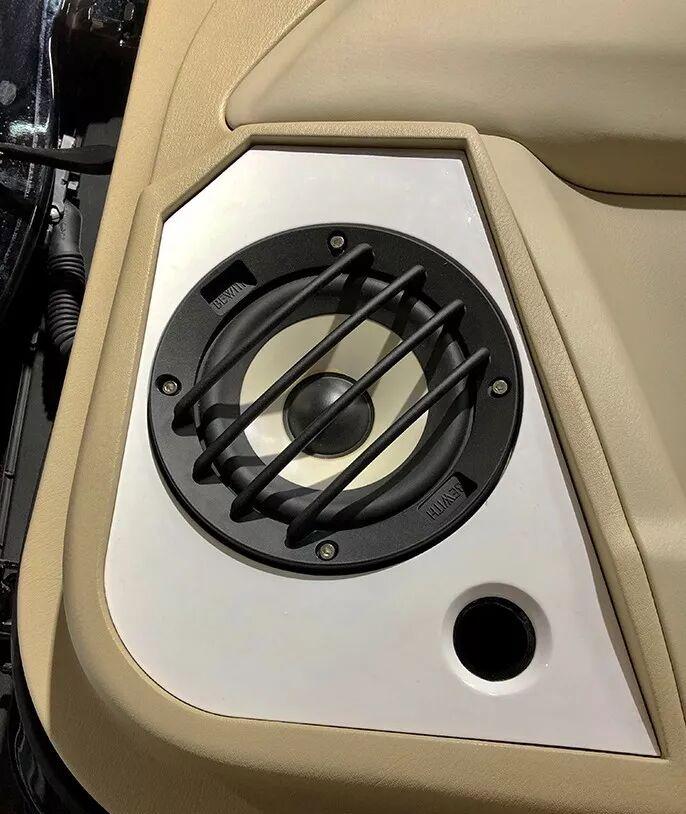
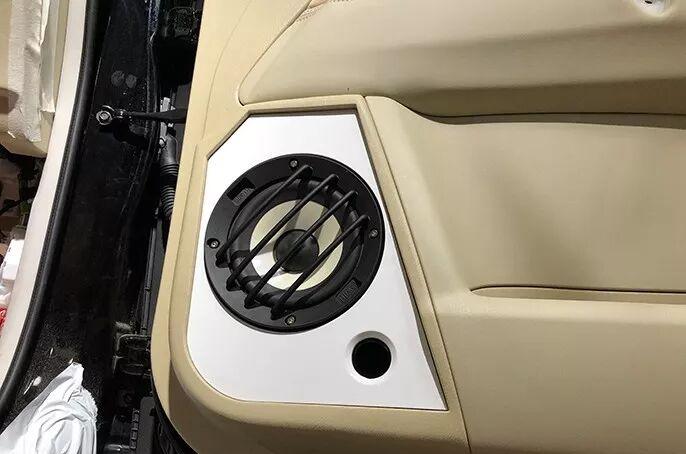
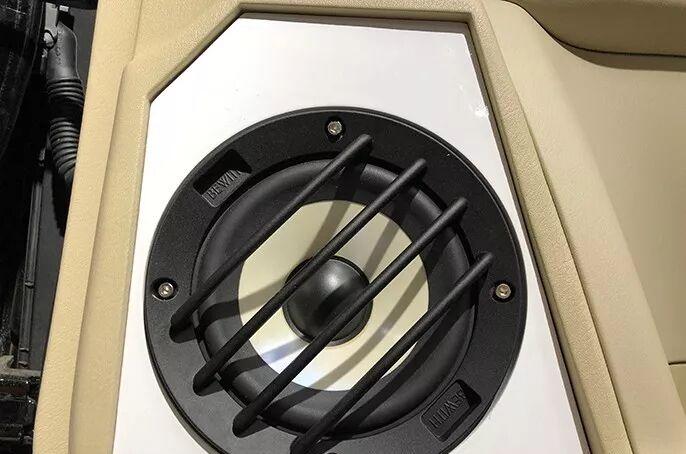
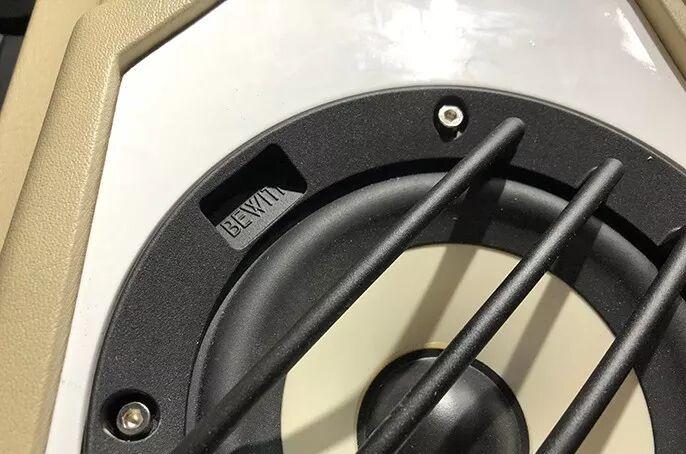
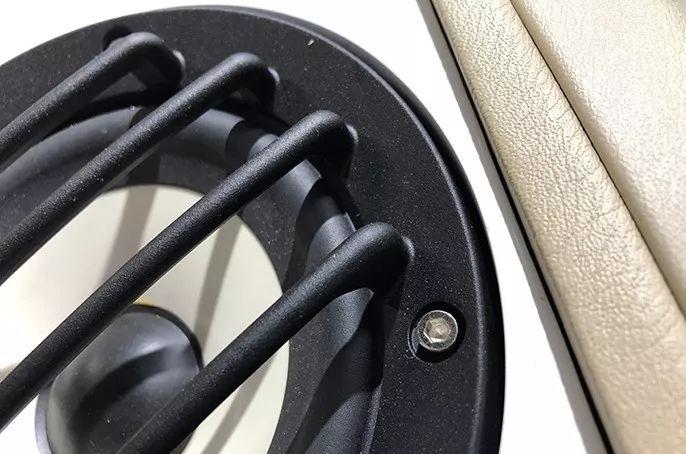
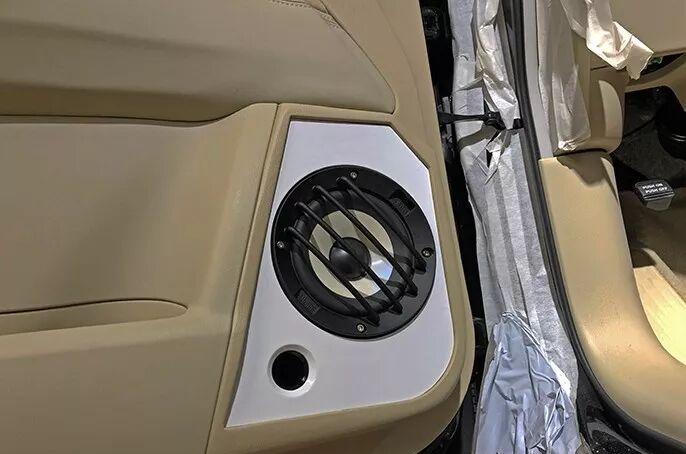
11. Final installation and effect presentation: Finally, the well-made painted panel is installed in place to complete the modification of the entire door panel.


You May Also Like
In-depth customization of Toyota Prado audio system: professional acoustic remodeling of Aiwei two-way architecture

Land Rover Discovery Shenxing: Using “invisible art to reshape low frequencies, in-depth analysis of the 0.8-inch spare tire bass system