What first dazzled me in Genoa was the dozen pages of ancient sheepskin scrolls displayed on the wooden table of San Ignazio Monastery, the earliest of which dates back to the 11 th century, and is written on it with academic classics intertwined in Latin and Arabic. There are also edicts of the Ottoman Empire stamped with the coat of arms of the sultan. The other room he passed before leaving contained thousands of similar scrolls. If connected end to end, they could be up to 40 kilometers long.
 As one of the most important military and economic powers in the Mediterranean in the Middle Ages (rivaled only by Venice), Genoa had amassed amazing wealth. It not only contains the most precious ancient documents in Europe, but also has gorgeous churches comparable to Naples and aristocratic palaces of the same size as Rome. The earliest banks in the world were born (St. George’s Bank in 1407 and Caric’s Bank in 1483); The church of St. Cyrus witnessed the bishop’s dispatch of thirteen warships to support the Crusades in 1097, which began Genoa’s long journey for hegemony in the Mediterranean.
Yet erstwhile maritime supremacy has not made Genoa a popular destination for modern travelers. Unlike Florence’s well-managed Renaissance heritage or the punch-in attractions well-known to Romans, Genoa refuses to be simply guided-she asks you to take the initiative to explore those treasures scattered deep in the streets and lanes with curiosity and easily overlooked.
Garibaldi Street shows the past glory of the Republic, and on both sides stand noble palaces from the 16 th to 17 th centuries, which once welcomed political and business celebrities from all over the world. But as soon as you turn and step into the side lane (known locally as “Karugi”), the bright lemon sunlight of the Riviera is instantly engulfed in darkness. The roadway is so narrow that your arms almost touch the wall when walking; It is no longer vision that leads forward, but the smell of bread, coffee and spices floating in the distance, mixed with the moist bottom tone of the sea breeze.
As one of the most important military and economic powers in the Mediterranean in the Middle Ages (rivaled only by Venice), Genoa had amassed amazing wealth. It not only contains the most precious ancient documents in Europe, but also has gorgeous churches comparable to Naples and aristocratic palaces of the same size as Rome. The earliest banks in the world were born (St. George’s Bank in 1407 and Caric’s Bank in 1483); The church of St. Cyrus witnessed the bishop’s dispatch of thirteen warships to support the Crusades in 1097, which began Genoa’s long journey for hegemony in the Mediterranean.
Yet erstwhile maritime supremacy has not made Genoa a popular destination for modern travelers. Unlike Florence’s well-managed Renaissance heritage or the punch-in attractions well-known to Romans, Genoa refuses to be simply guided-she asks you to take the initiative to explore those treasures scattered deep in the streets and lanes with curiosity and easily overlooked.
Garibaldi Street shows the past glory of the Republic, and on both sides stand noble palaces from the 16 th to 17 th centuries, which once welcomed political and business celebrities from all over the world. But as soon as you turn and step into the side lane (known locally as “Karugi”), the bright lemon sunlight of the Riviera is instantly engulfed in darkness. The roadway is so narrow that your arms almost touch the wall when walking; It is no longer vision that leads forward, but the smell of bread, coffee and spices floating in the distance, mixed with the moist bottom tone of the sea breeze.
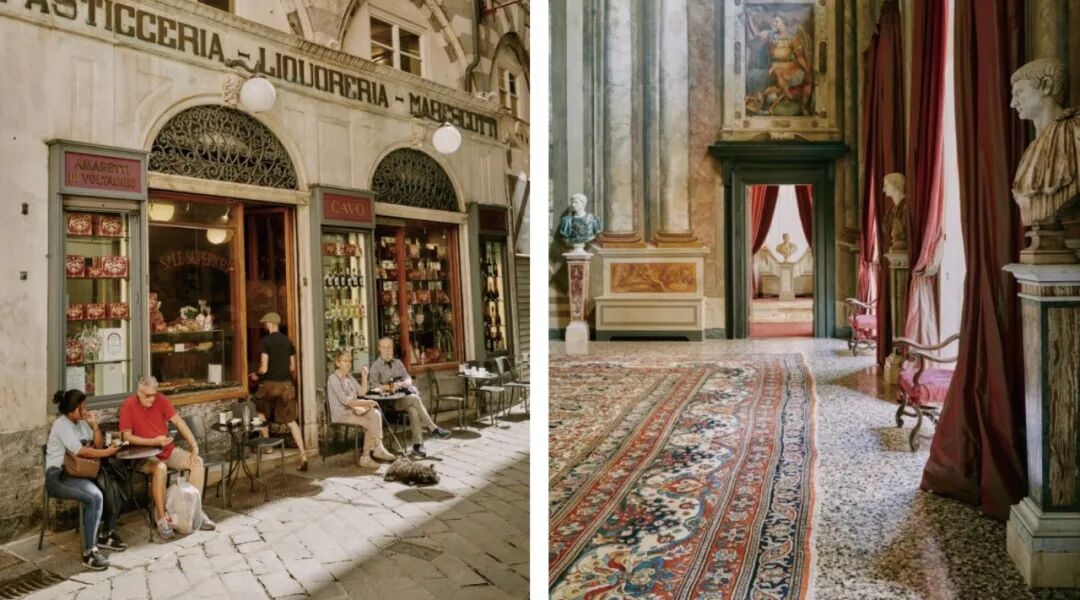 Stop and look up, and you may find yourself looking up at a magnificent building-the vision is mostly obscured by narrow alleys, and the decorative murals in the corners gradually fade like ghosts with the passage of time; Or catch a glimpse of the shining ceiling in the banquet hall through a window; Or a seemingly ordinary church gate, but behind it may be the original murals of Rubens, Van Dyke and Gentileschi.
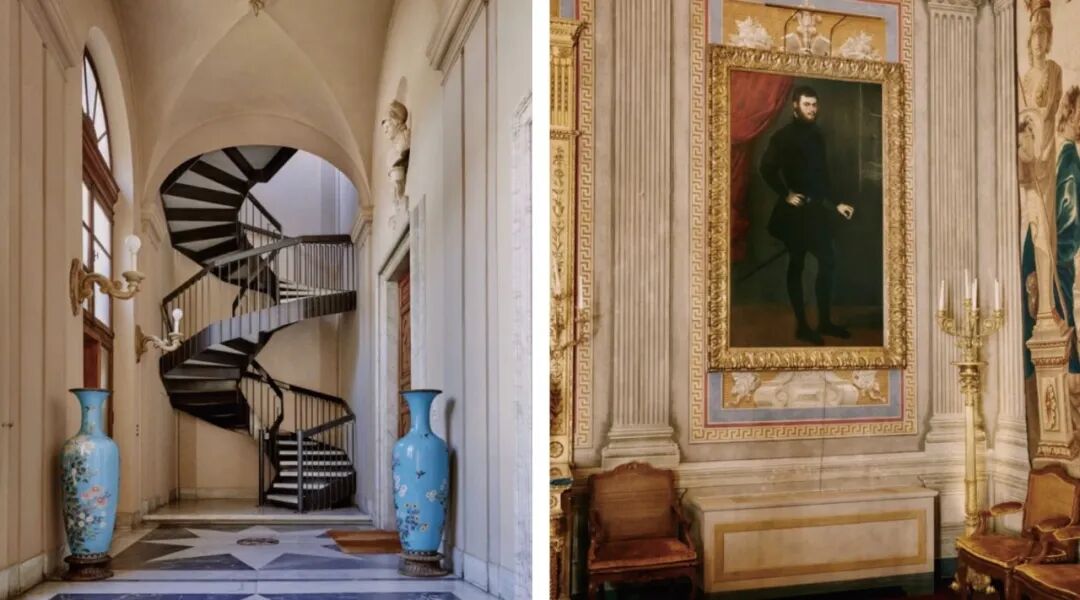
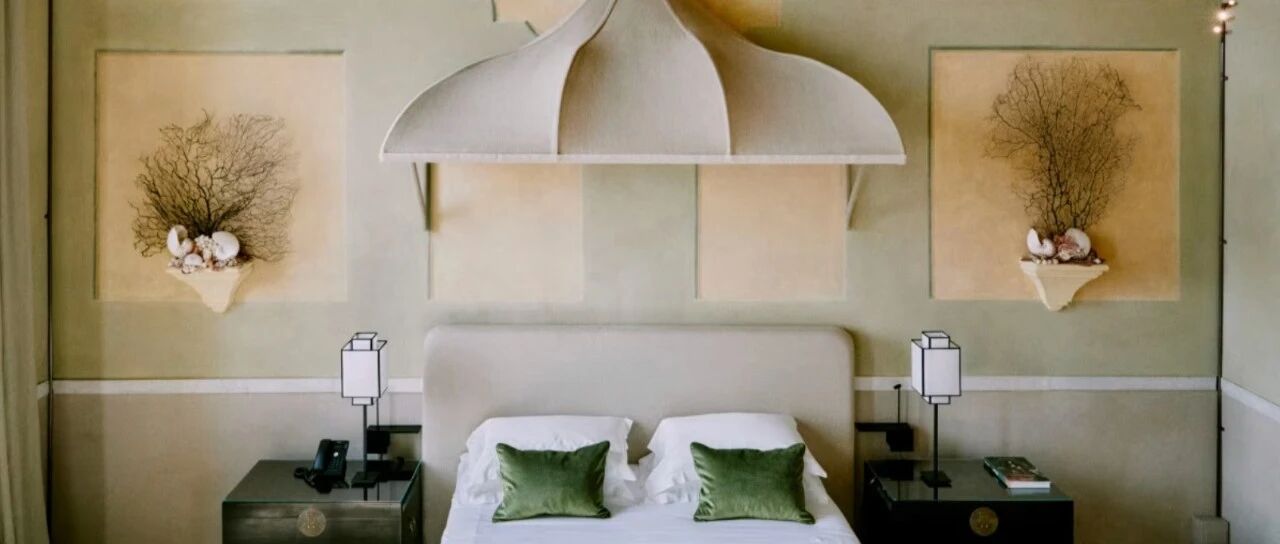
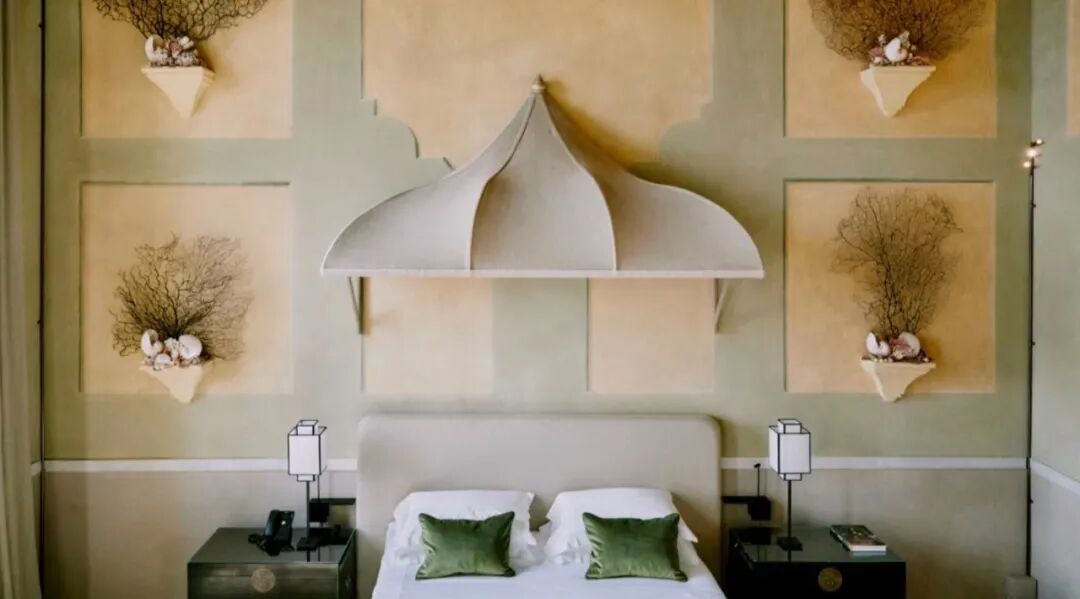
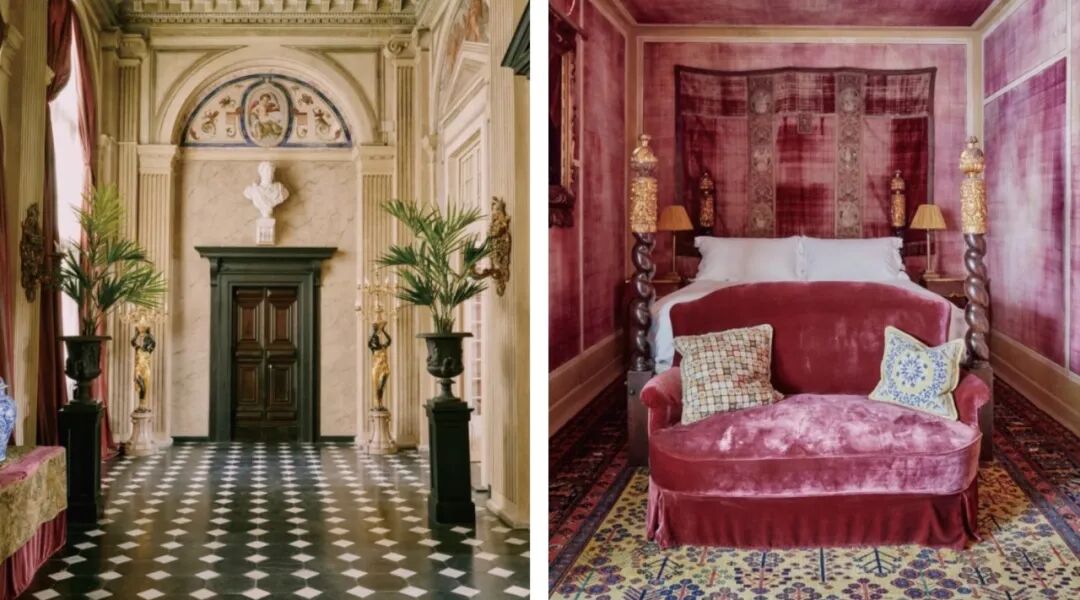
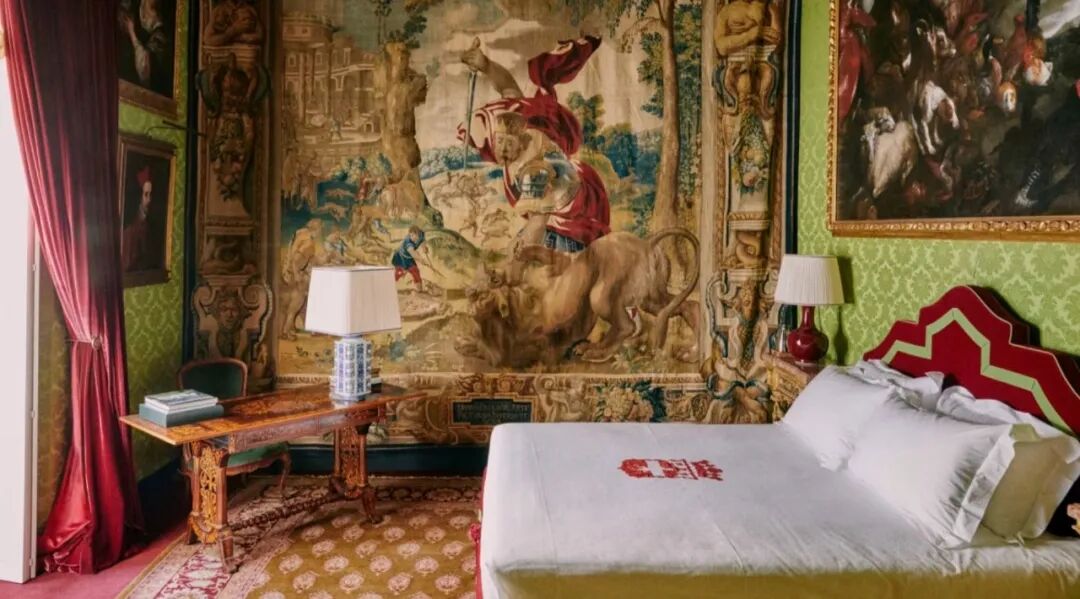
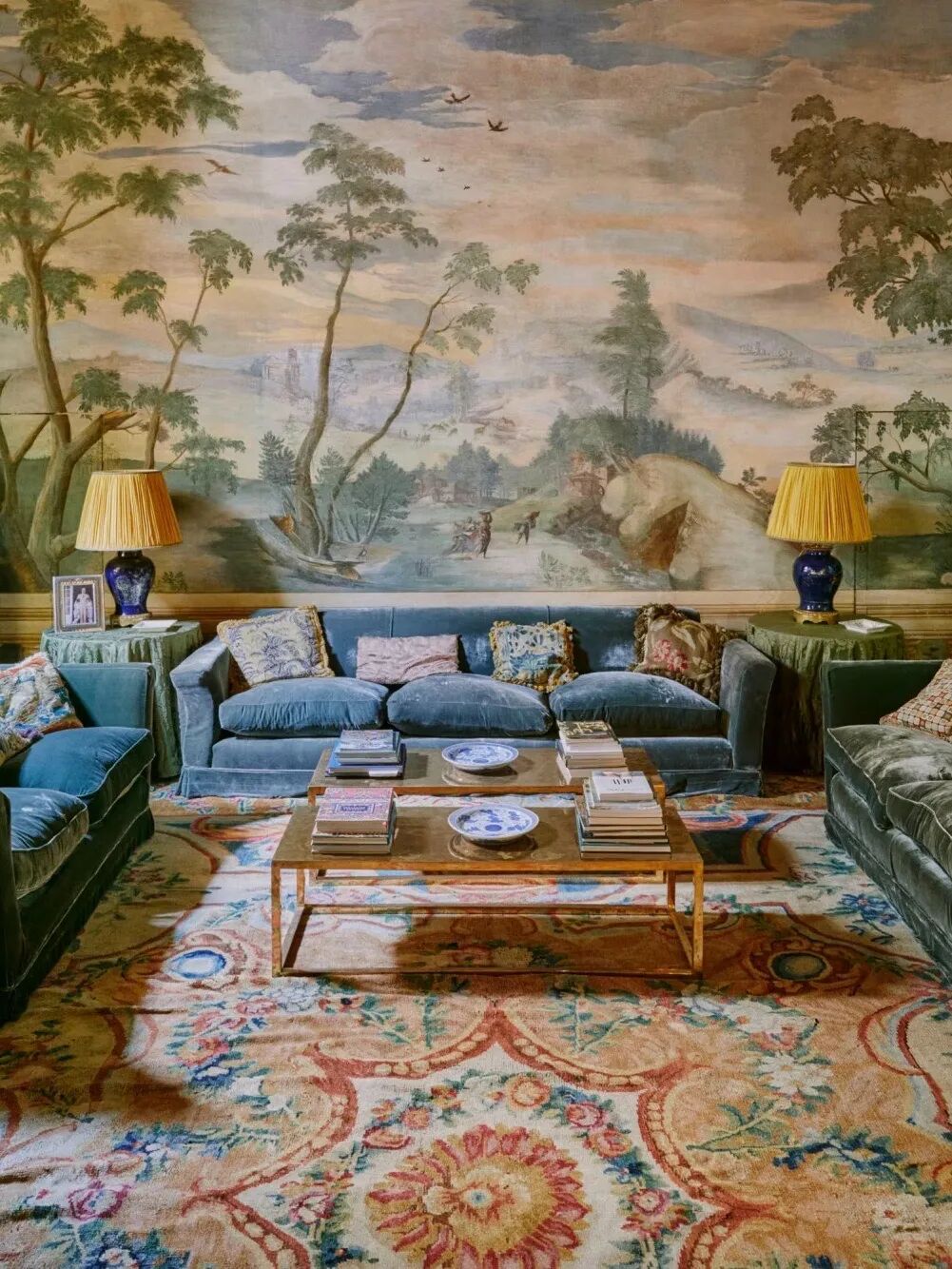
The noble descendants who have lived here are still quietly continuing the glory of this city. Private houses in the 17 th century were converted into boutique hotels, and some rooms still clearly retain early murals with mythological themes, dotted with collectible Chinese screen paintings, European antique clothes, African woodcarving totems, and unique contemporary art paintings. For the descendants of nobles who don’t need to worry about wealth, this cause has long gone beyond commercial considerations, and is more of a persistent reappearance of the land and historical glory of their ancestors.