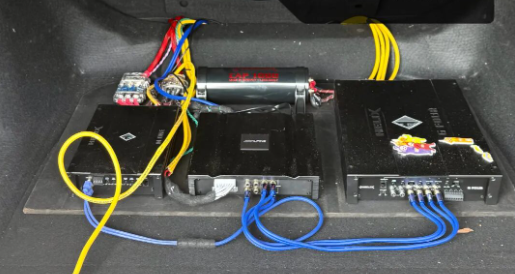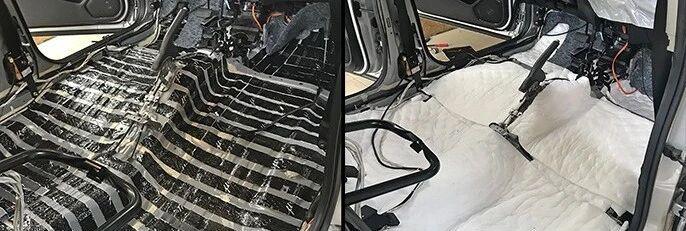
Notes on upgrading the sound insulation of the entire Fit vehicle: Use ingenuity to exchange the tranquility of every kilometer of journey
The deepening of automobile sound insulation engineering is a key step and solid foundation to improve the overall expressive force of automobile audio system. Its core principle is to fundamentally reduce and block all kinds of noises generated by vehicles during driving through systematic and scientific material application and construction technology-including chassis resonance caused by road bumps, engine running sound, tire and ground friction noise, wind noise and external environmental noise, etc. When the acoustic environment inside the carriage becomes quiet enough, every note detail restored by the sound system-whether it is the subtle breath of human voice, the overtone ending rhyme of musical instruments, or the subtle ups and downs of extremely weak sections in symphonies-will be clearly and completely presented, thus greatly expanding the dynamic range and layering of sound, and sublimating the listening experience from “hearing sound” to a higher level of “perceiving music”.
A Honda Fit owner has previously completed the upgrade of a high-quality three-way audio system in our store, and carried out targeted sound insulation treatment on the four doors. The sound quality improvement brought by the initial upgrade has satisfied the owner, but as his listening taste continues to improve, he is increasingly aware of the importance of an extremely quiet acoustic background to realize the full potential of top-notch audio equipment. Therefore, car owners decided to trust our professional ability again and implement a whole-car sound insulation strengthening project with wider coverage and deeper processing. For this project, we selected the Japanese Flute Series sound insulation materials that enjoy a high reputation in the industry, and their excellent damping, vibration reduction and sound absorption properties are highly recognized. The construction scheme has been carefully designed, which not only treats the vehicle chassis with three layers of composite treatment including shock absorption, sound insulation and sound absorption, but also additionally installs high-quality five-door sealing strips, aiming at achieving a more comprehensive and thorough encirclement and suppression of noise from the two dimensions of structural vibration suppression and air tightness improvement, and building a quiet stage close to ideal for the embryonic “mobile concert hall”. Below, we will fully present the key links and exquisite craftsmanship of this vehicle-wide deep sound insulation construction in the form of pictures and texts.
Systematic sound insulation construction of chassis area
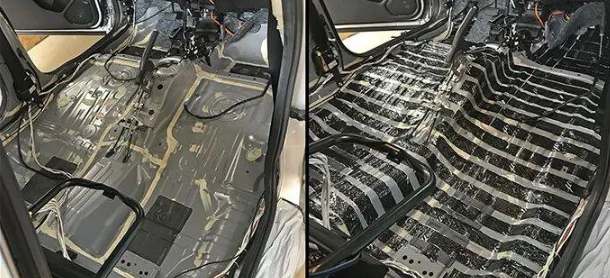
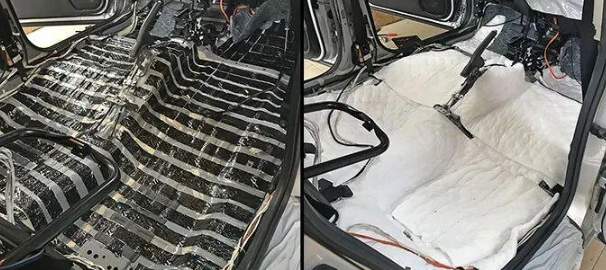
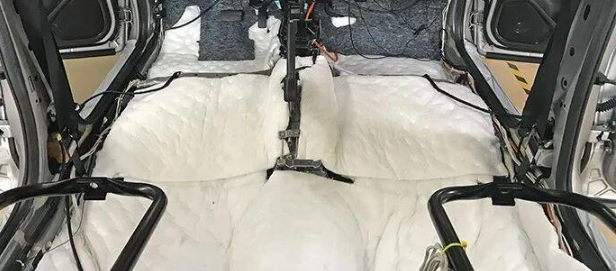
Chassis is the main path through which road noise and sheet metal resonance are transmitted into the carriage. We adopt the “composite material lamination method” for construction: firstly, the high-density shock-absorbing plate is closely pasted to effectively suppress the vibration of the steel plate; Then covered with a layer of acoustic foam or fiber sound-absorbing cotton to absorb medium and high frequency residual noise; Finally, depending on the situation, a layer of sound insulation blanket may be added to achieve multiple sound filtering. The drawing clearly shows the rigorous laying of this composite structure.

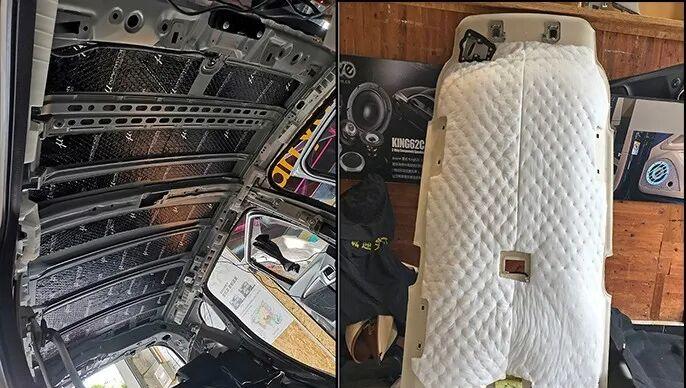
For models not equipped with sunroof, the sound insulation and heat insulation of the roof are of dual significance. On the one hand, it can significantly reduce the unpleasant “drumming” sound produced by raindrops hitting the roof of the car; On the other hand, in hot summer, high-quality sound insulation materials can effectively block the heat brought by direct sunlight from being transferred to the car, improving air conditioning efficiency and ride comfort.
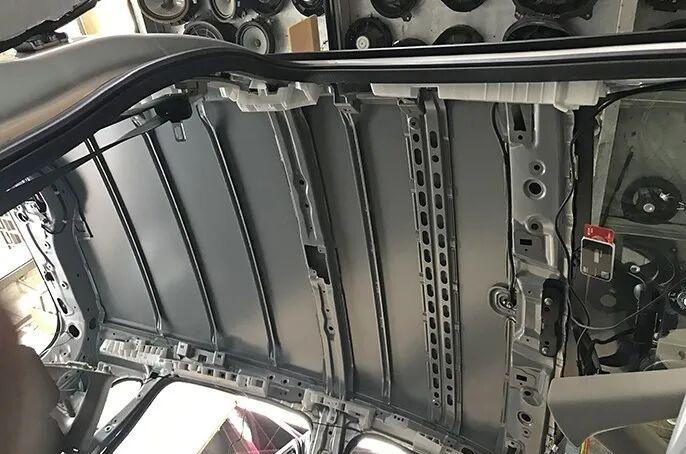
The laying of anti-shock materials requires complete coverage of the target area, and it needs to be compacted with special rollers to ensure seamless fit with the sheet metal surface without leaving any gaps or bubbles, so as to achieve the best vibration damping effect. The picture shows the flat state after construction.
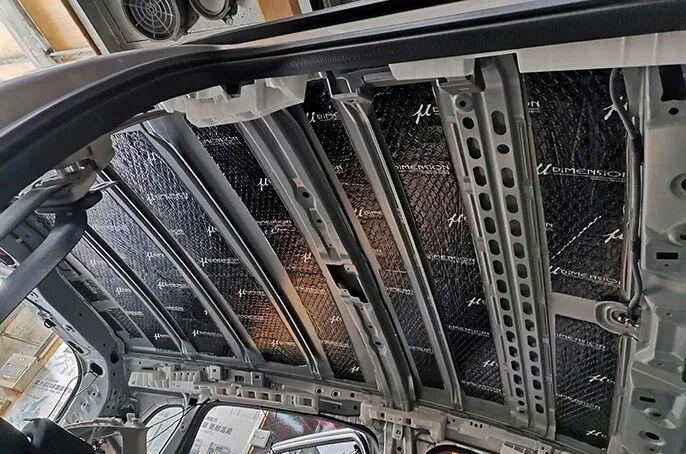
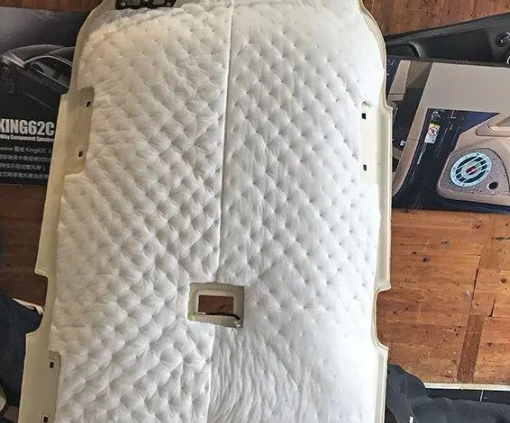
After the seismic treatment of the ceiling was completed, we added a special layer of sound-absorbing and heat-insulating cotton. This layer of material is soft and elastic, which can further absorb the reverberation and high-frequency noise of the roof space, and its internal closed-cell structure can also provide good thermal insulation performance.
Targeted sound insulation treatment of front wheel fender and wheel arc
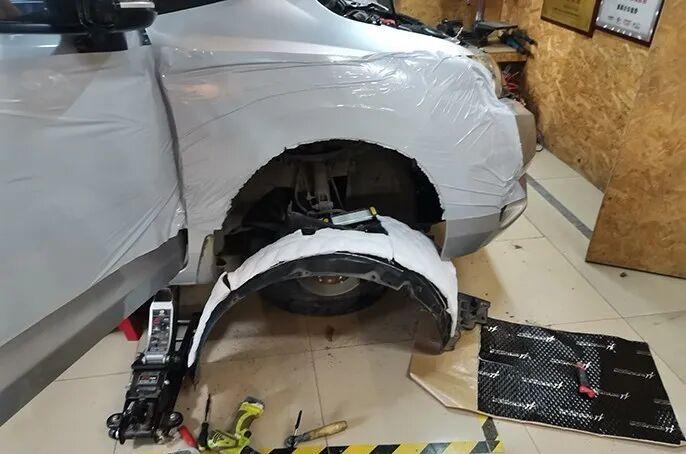
The noise generated when the tires are driving and the sound of flying stones are mainly transmitted to the carriage through the wheel arc. Sound insulation in this area is one of the most direct and effective means to reduce road noise. We removed the fender lining, thoroughly cleaned and pasted the sheet metal on the inside.
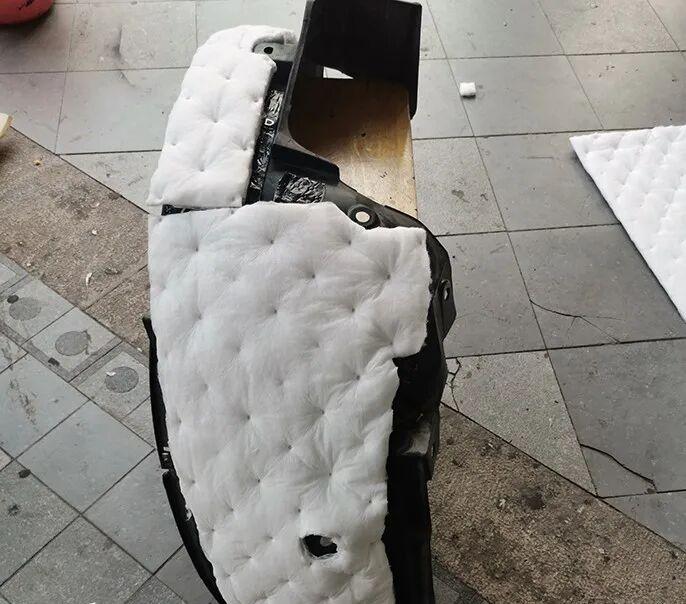
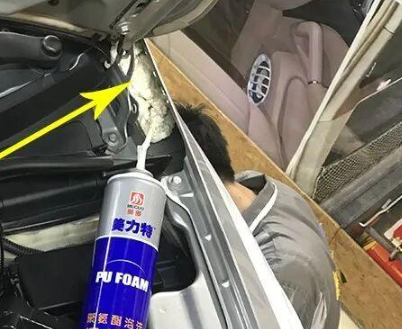
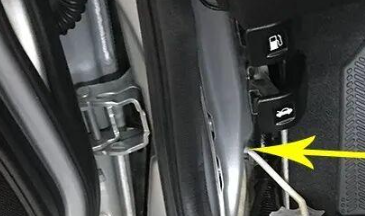
Sound insulation and anti-shock construction of tailgate. As a larger metal cover, the tailgate is also prone to vibration and hollow resonance during driving. Giving it a shock-absorbing treatment can eliminate the resulting low-frequency hum and make the interior environment more tranquil.
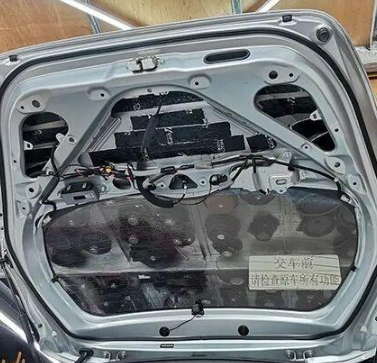
The tailgate interior trim panel is soundproof and shock-proof. After the metal structure of the tailgate has been treated, we likewise stick a proper amount of sound-absorbing material to the plastic trim on its inside to absorb residual noise that may be conducted or reflected through the trim.
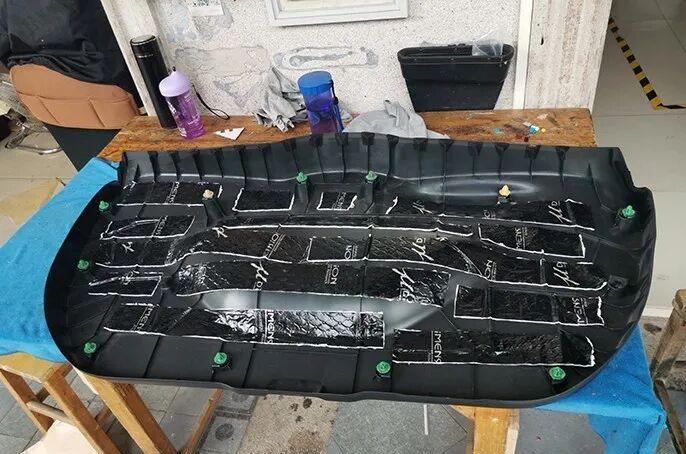
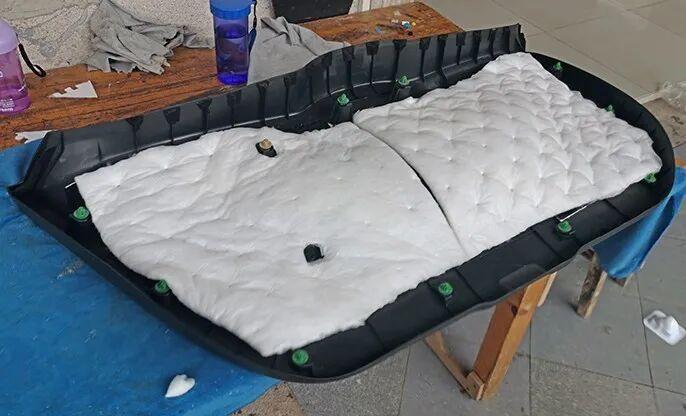
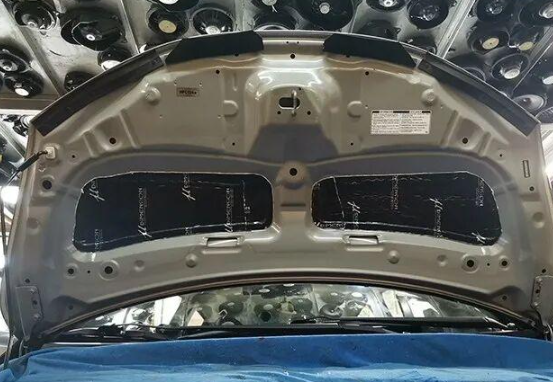
Hood sound insulation and anti-shock treatment. Hood sound insulation can not only inhibit the direct transmission of engine working noise to the interior of the car, but the heat insulation film on its surface can also effectively reflect the heat of the engine compartment, which is also beneficial to protecting the hood paint surface and delaying the aging of rubber parts in the engine compartment.
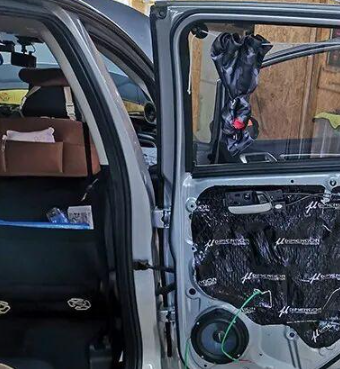
Four-door sound insulation upgrades. The doors are the second largest source of noise after the chassis, and they are also the main mounting base for speakers. We have carefully shock-absorbing and sealing the two layers of steel plates inside and outside the door, making it a solid and sealed “box”, which can not only greatly reduce wind noise and external environmental sound, but also provide an ideal working environment for the horn on the door panel and significantly improve the expressiveness of low and medium frequencies.
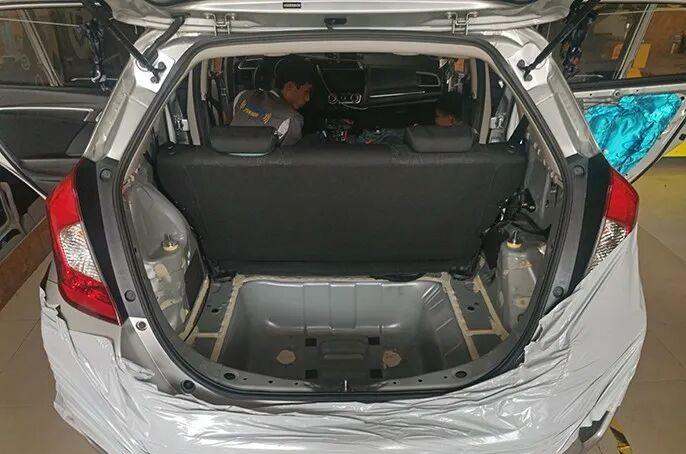
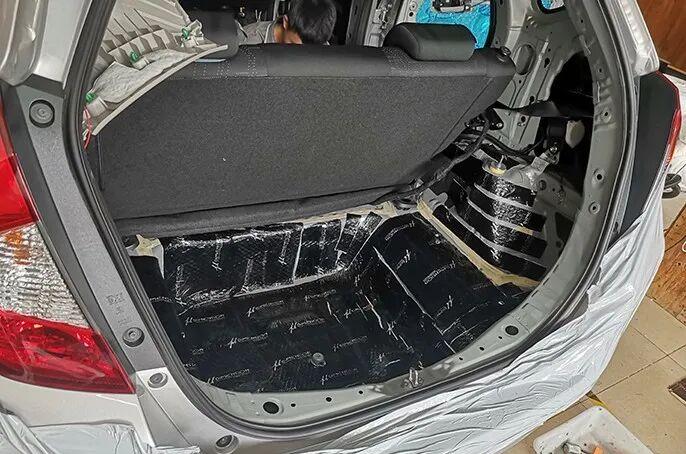
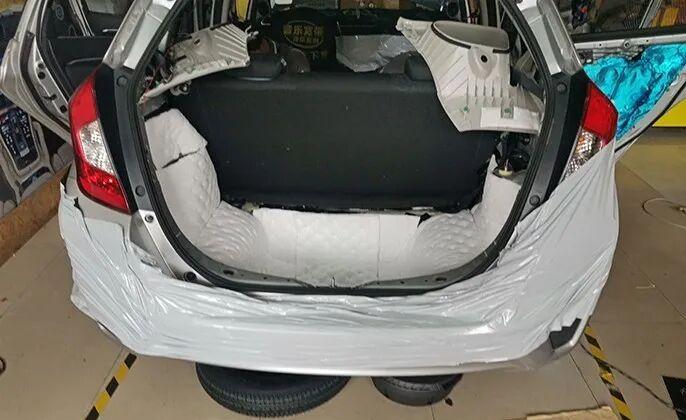
Trunk sound insulation construction. The trunk space is a huge cavity that is highly susceptible to low-frequency resonance and amplified road noise. Comprehensive sound insulation treatment of its bottom plate, wheel arches on both sides and rear fender is a key step to improve the quietness of the whole vehicle, especially to eliminate the “boom” low-frequency resonance sound.
The sound insulation and shock-absorbing materials of the whole vehicle have been installed. When the sound insulation construction of all parts is completed, the sheet metal structure of the whole carriage has been effectively strengthened and damped. At this moment, the noise base of the vehicle itself has dropped to an extremely low level.


You May Also Like

Crown car owners’ auditory philosophy: reconstructing car audio aesthetics with high-order two-way systems

From structural noise reduction to acoustic optimization: in-depth solutions for Honda Crown Road’s entire vehicle sound insulation project